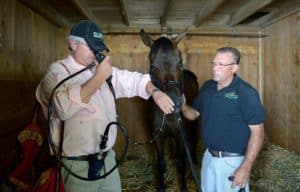
Stop the Bleeding
As prevalent as EIPH is, we still don’t fully understand this potentially performance-limiting condition; here’s what scientists are trying to find out.


As prevalent as EIPH is, we still don’t fully understand this potentially performance-limiting condition; here’s what scientists are trying to find out.
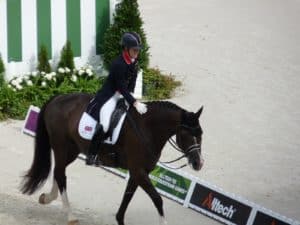
Our equitation science reporter shares why she doesn’t pat her horse for a job well done.

Researchers have learned that a low dose of a certain omeprazole preparation was as effective in treating some ulcers as the standard dose.
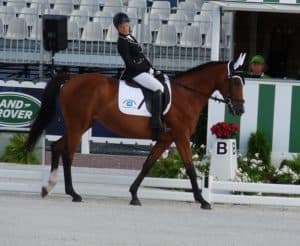
Watching the positive relationships between para-horses and riders competing at WEG brought this reporter to tears.
Take a tour of the art our reporter found around the 2014 World Equestrian Games.

Swedish researchers recently found that magnets in blankets don’t have quite the impact on blood flow that some manufacturers might claim.
Find out what not to miss in the 2014 World Equestrian Games Vendor Village.
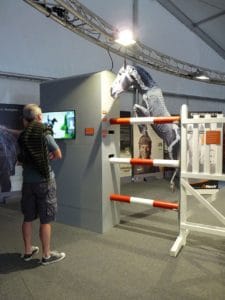
A French equine behavior researcher aims to educate people about horses and how they experience their surroundings.
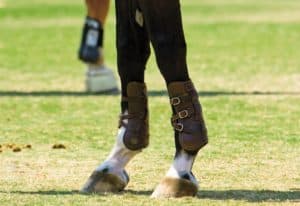
During exercise skin temperature under boots or wraps increases significantly–in a recent study sometimes more than 30%. Whether that leg temperature increase is good or bad, though, remains to be determined.
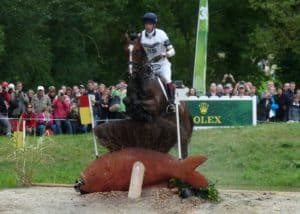
Wild Lone, a 13-year-old Irish Sport Horse gelding ridden by Harry Meade (GBR), collapsed and died after completing a clear cross-country round at Haras du Pin.
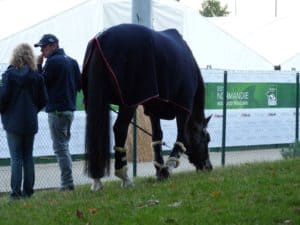
Charlotte Dujardin, Helen Langehanenberg, and Adelinde Cornelissen speak on how they keep their top mounts happy and healthy.
There’s one discipline everyone wants to watch at the World Equestrian Games: Reining.
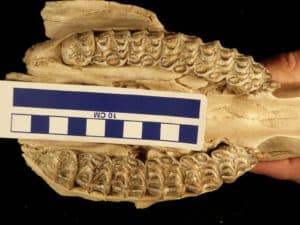
By studying equine teeth from different eras, researchers can see how the animals adapted to different grazing lands, as well as to domestication.

Our international reporter offers a peek of what goes on behind the stadium for both horses and people at the World Equestrian Games.
Dorado, a 12-year-old Arabian gelding from Costa Rica and ridden by Claudia Romero Chacon, ran head-on into a tree during the first loop of the endurance race and died instantly.
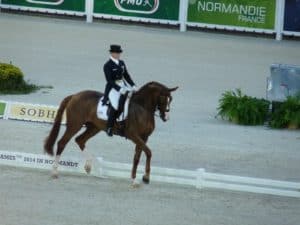
There can hardly be greater disappointment for a Grand Prix dressage rider than traveling all the way to WEG just to find out your horse can’t compete after all.