Honey for Treating Horse Wounds
Honey’s all the buzz in natural wound remedies, and according to recent research, it works with horses, too.


Honey’s all the buzz in natural wound remedies, and according to recent research, it works with horses, too.

A better understanding of the lesions found in growing horse skeletons has led to clearer terminology.

Researchers proved that horses can become “lighter” with proper negative reinforcement training.

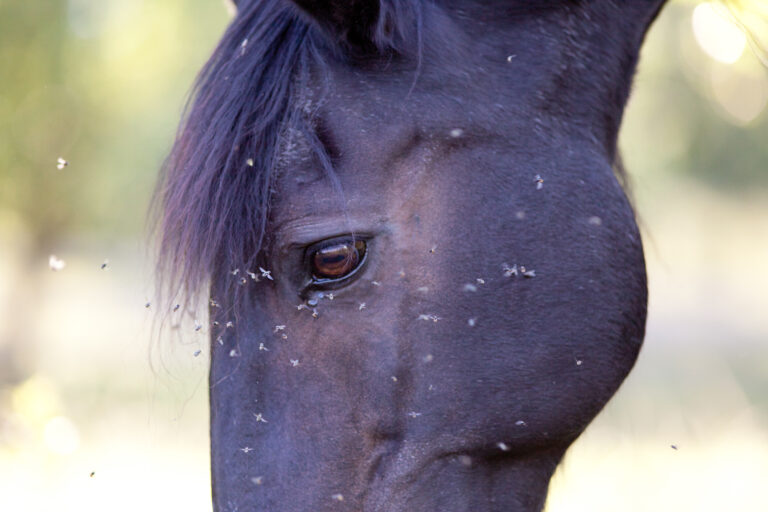
Find out how these special blankets keep bugs off your horse and prevent a frustrating skin condition.
French researchers tested the new grading scale on 392 young horses screened for osteochondrosis.

Knowledge about handling outbreaks will help ensure the best health possible for all horses involved.

Training efficacy and stress levels were similar in the negative and positive reinforcement groups.
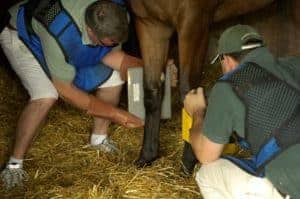
Research shows that many radiographic findings in weanlings can change–usually for the better–within a year.
Rusty, who was 25 when he was euthanized last week, has two clones to carry on his genetic legacy.

Horses undergoing T-Touch exhibited fewer aggressive reactions than those experiencing massage or rest.

Chronic stress could lead to an increased susceptibility to disease due to the activation of certain genes.

Training outcomes are affected by a horse’s arousal state and his attachment to his trainer, scientists say.

Study results suggest riders of all levels tend to misjudge the amount of tension they apply to their reins.
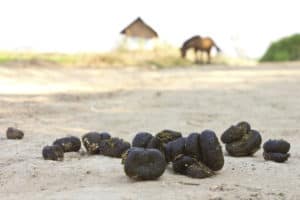
Researchers found that horses’ waste both helps and hinders the environment in different ways.
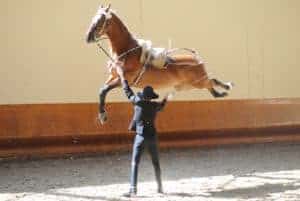
Researchers are investigating the airs above the ground to help improve training and safeguard equine welfare.

Researchers found that certain hormones could be easily detectable red flags of overtraining in horses.