Texas Official Urge Horse Owners to Prepare for Hurricanes
The Texas Animal Health Commission (TAHC) is reminding Texas horse, livestock, and pet owners to begin preparing now for any possible storms.


The Texas Animal Health Commission (TAHC) is reminding Texas horse, livestock, and pet owners to begin preparing now for any possible storms.

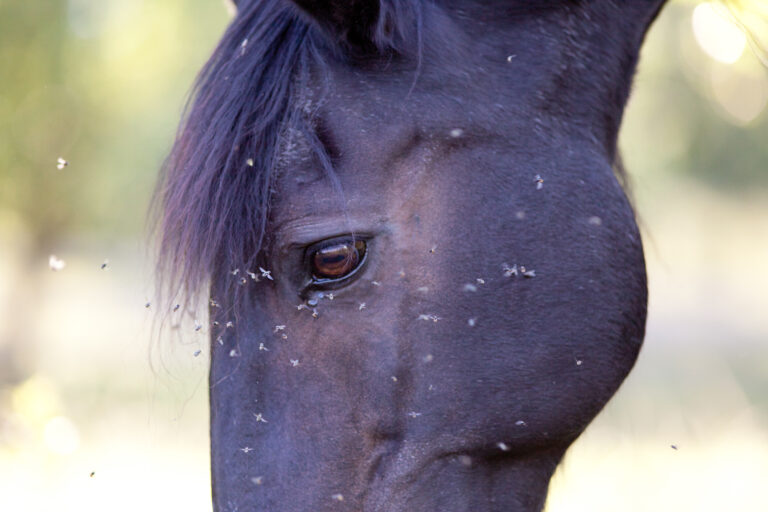
Headshaking is a serious and distressing condition for both horses and their owners.
Students in the University of Kentucky’s (UK) equine science and management undergraduate degree program will have the ability to better customize their college experience to match their interests and career aspirations.
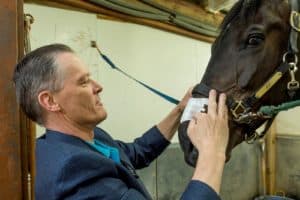
CSU alum Ed Blach, DVM, MS, MBA, co-invented the nasal strip California Chrome will wear in the Belmont Stakes.

Animal health officials are managing a new equine hendra virus case in the Beenleigh, Queensland, Australia, area after a positive test result was received late on June 2.
Dr. Bettina Wagner’s research has focused on equine immunology, particularly immune responses and protective mechanisms in neonates and young foals.
Since its establishment in 2008, the Winner’s Circle Scholarship Program has provided $905,500 in scholarships to 228 veterinary students bound for careers in equine medicine.

Cardiac murmurs are common in horses, and it’s important to assess the impact of any heart murmur on athletic performance and on rider and animal safety.

Recent survey results show that more than a third of British owners never conduct fecal egg counts (FECs) on their horses.
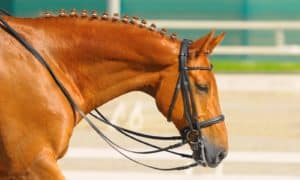
The International Society for Equitation Science (ISES) and dressage show sponsors World Dressage Masters (WDM) have developed a code of conduct that aims to ensure optimal horse and rider welfare and safety at equestrian events around the world.

Specialists from the University of Kentucky (UK) speak on digestion, fencing options, sampling techniques for soil fertility and hay quality, and more.
Speakers for the American Horse Council’s (AHC) National Issues Forum have been finalized, and the event will feature representatives from across the horse industry on “Where Have All the Horses Gone?”

The researchers hope to gain an understanding of how horses are cared for and managed in different countries, as well as how owners access information about horse care across the globe.

Members of the OIE voted to adopt in principle the “high-health, high-performance horse” concept in a new OIE Terrestrial Animal Health Code Chapter.

Boyd Parr, DVM, South Carolina state veterinarian, recommends owners keep their horses’ vaccinations for Eastern equine encephalitis (EEE), West Nile virus (WNV), and rabies current.

Cardiovascular physiology and equine medicine expert Dr. Melinda Frye will become the first woman to lead Colorado State University’s (CSU) veterinary school starting in July.