Equine Disease Quarterly

Articles by: Equine Disease Quarterly

Mare Reproductive Loss Syndrome Update

An abortigenic disease known as mare reproductive loss syndrome (MRLS ) significantly impacted the horse industry in the Ohio Valley in late April and early May, 2001 and 2002. In 2001, approximately 25% of all pregnant mares aborted within several

Read More

Kentucky’s EIA Surveillance in 2007

During the 2007 calendar year, 128,912 serum samples were tested for equine infectious anemia (EIA) in Kentucky. Private testing accounted for 111,607 samples. These samples were collected and tested to comply with state regulations governing th

Read More

Fire Ants and Horses

Fire ants deliver a simultaneous bite and sting that are very painful and give them their infamous name. The threat of fire ants to healthy, ambulatory adult animals is fairly minimal. However, fire ants can be a significant threat to recumbent

Read More

International Equine Disease Report Fourth Quarter 2007

The International Collating Centre, Newmarket, England, and other sources reported the following disease outbreaks:

A clinically severe outbreak of atypical myoglobinuria/myopathy (AM) was diagnosed among eight non-Thoroughbred horse

Read More

Commentary: Working With Your Veterinarian

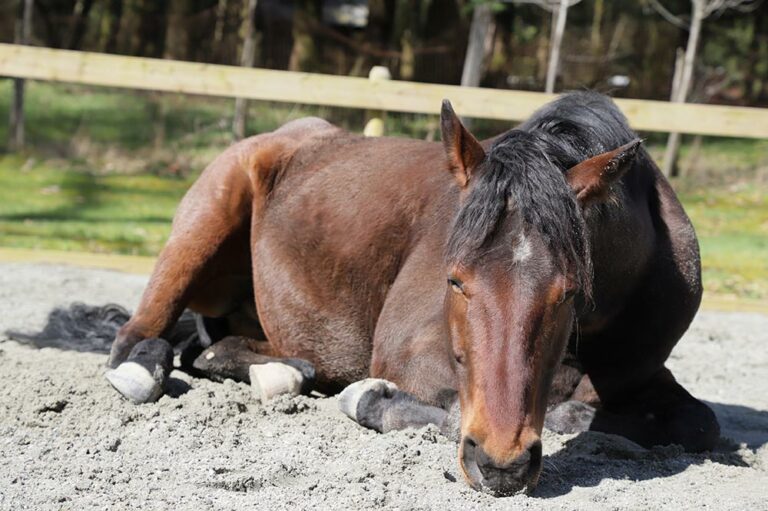
“Please help! My 10-year-old Quarter Horse has been down in the pasture for two days and won’t get up. What should I do?”

“A week ago I saw my horse bitten by a skunk in broad daylight. I dressed the wounds, but after searching the internet

Read More

Causes of Foal Mortality: a One-Year Snapshot

Neonatal losses are a significant problem for the equine industry. Of the 1,294 fetal, neonatal, and juvenile equine cases presented to the University of Kentucky Livestock Disease Diagnostic Center from September 2004 through August 2005, 259

Read More

Investigating Foreign Animal Diseases

Surveillance for and the investigation of suspected foreign animal diseases is a high priority for state and federal animal health regulatory officials, because the movement of animals and animal products, including semen and embryos, in

Read More

Commentary: Equine Quarantine Increasingly Important

Epidemics of equine influenza in Japan and Australia during the summer of 2007 have raised questions regarding the failure of quarantine and influenza vaccination to control the spread of disease.

Expanding and increasingly mobile equine

Read More

International Equine Disease Report Third Quarter 2007

Cases of equine herpesvirus (EHV) respiratory disease were widely reported among a variety of breeds in France. In the United Kingdom, respiratory disease attributable to EHV-1 was diagnosed among a group of donkeys and to EHV-4 among a group of foal

Read More

Celebrates 15 Years

15 years, one-and-a-half decades…however you want to think of it, this is the 15th anniversary of the inaugural edition of the Lloyd’s Equine Disease Quarterly!

Lloyd’s Underwriters and Brokers and their Kentucky agents have been

Read More

Equine Disease Quarterly Celebrates 15 Years

15 years, one-and-a-half decades…however you want to think of it, this is the 15th anniversary of the inaugural edition of the Lloyd’s Equine Disease Quarterly!

Lloyd’s Underwriters and Brokers and their Kentucky agents have been staunch supporters of the publication of the Lloyd’s Equine Disease Quarterly since its inception. That first edition in October 1992 heralded

Read More

Methicillin-resistant : A Review

Staphylococcus aureus is a common bacterium and an important cause of disease in many species. Approximately 10% of healthy horses carry S. aureus in their noses. This occurrence is termed “colonization,” as the bacteria are present

Read More

Methicillin-resistant Staphylococcus aureus: A Review

Staphylococcus aureus is a common bacterium and an important cause of disease in many species. Approximately 10% of healthy horses carry S. aureus in their noses. This occurrence is termed “colonization,” as the bacteria are present without causing any problems. A smaller number are colonized in the intestinal tract or on the skin. S. aureus is an “opportunistic pathogen”

Read More

Wise Use of Antibacterial Drugs

Antibiotics and synthetic antibacterial drugs have revolutionized the ability to treat bacterial infections in human and animal patients. These drugs deserve careful use to preserve and optimize their effectiveness. Deciding on a treatment plan

Read More

More From The Horse

Mallicote headshot
A mosquito bites an animal. A mosquito sits on a horse's nose
Insektenplage. Schönes Pferd frei zwischen gelben Blumen auf einer Wiese wird von Insekten attackiert
Physical Exam of the Horse Hoof

Stay on top of the most recent Horse Health news with

FREE weekly newsletters from TheHorse.com

Sponsored Content

Weekly Poll

sponsored by:

Readers’ Most Popular

The Horse
Privacy Overview

This website uses cookies so that we can provide you with the best user experience possible. Cookie information is stored in your browser and performs functions such as recognising you when you return to our website and helping our team to understand which sections of the website you find most interesting and useful.