What We Know About Selenium Needs in Mules
How much selenium do mules need, and what risks accompany selenium deficiency or toxicity? An equine nutritionist explains.

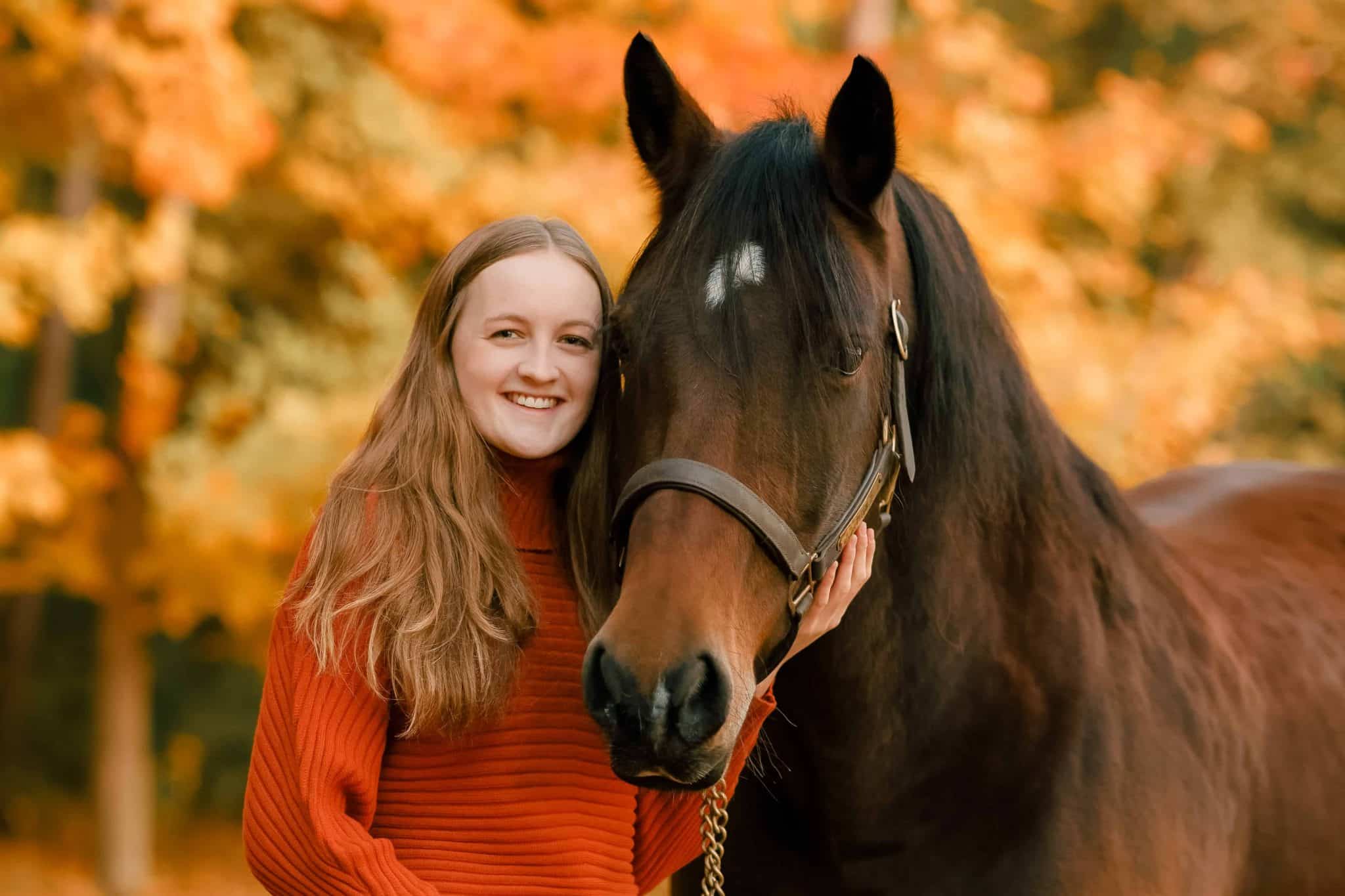
How much selenium do mules need, and what risks accompany selenium deficiency or toxicity? An equine nutritionist explains.

An equine nutritionist explains why NSCs, ESCs, and WSCs are important factors to consider when choosing hay for your EMS horse.
Here’s how to choose a high-quality ration balancer for your mule that provides essential nutrients without supplying additional calories.
Consider the reasons your horse needs to gain weight and learn how to help safely and effectively. Read more in the Winter 2025 issue of The Horse.

Learn how to choose forage, concentrates, and supplements to support weight gain and overall well-being in horses with multiple health conditions.

Can horses lose weight too fast? Does exercise or dietary restriction work better for equine weight loss? Two experts answer these questions and more.

An equine nutritionist explains how to balance a performance horse’s diet to improve his energy levels and help him build muscle.
The horse’s gut microbiome could influence gastric ulcers, and while researchers have found microbial shifts with disease, their role remains uncertain.

What types of feeds improve a horse’s energy levels? Why might a sluggish horse need additional electrolytes? An equine nutritionist explains.

Two experts explain how you can improve your horse’s joint health through nutrition and how to choose high-quality joint supplements.

Make sure you choose the right type and amount of salt to support your horse’s health—especially during extreme heat.
Prevent weight loss in horses by testing hay, monitoring calorie intake, and adding fat or fiber to maintain body condition through seasonal forage changes.

Horses need a variety of minerals in their diet to support basic system function and overall health. Find out how to be sure your horse is getting them.

Horses with cellulitis need medical intervention from a veterinarian, but these efforts can be supported through a balanced diet. Here’s why.

Overweight horses and some breeds are predisposed to metabolic problems. Here’s how to feed horses with ID and calculate if your horse’s meal has a safe level of NSCs.

Sourcing lower-energy hay and implementing slow-feeding strategies can help reduce your horse’s risk of becoming obese and developing metabolic problems.