The Horse‘s Top Free Reports of 2014
Trying to stay warm between winter feedings? Curl up with The Horse‘s 10 most downloaded free reports of 2014.


Trying to stay warm between winter feedings? Curl up with The Horse‘s 10 most downloaded free reports of 2014.

The Horse‘s bloggers had a busy 2014, and they’re gearing up to share more thoughts, insights, and information with readers in 2015. But before we move forward, we’ve taken a look back to tally 2014’s most viewed blog posts.
Covering a variety of topics related to horse health, the following articles received the most views over the past year. Enjoy!
Learn how vaccines can protect horses, why they’re important, and which ones your horse needs in our visual guide.

Something as simple as a sign can help organizers run events that promote horse health and biosecurity.
Quick take-homes from sessions on wild horses, barn fires, regenerative medicine, and dentistry.
Tidbits from sessions on the horse’s back, biosecurity, infectious disease, pelvic fractures, and more.
View some of the top tweets and take-homes from Monday at the American Association of Equine Practitioners’ Convention.
View some of the top tweets from Sunday at the 2014 American Association of Equine Practitioners’ Convention.
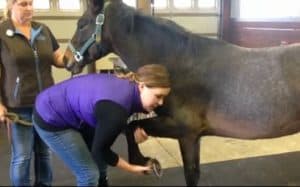
Vets can evaluate a horse’s active and passive response during a flex test. Dr. Rachel Buchholz explains.

Dr. Udeni Balasuriya of the University of Kentucky’s Gluck Equine Research Center shares information about diagnosing equine herpesvirus-1 and interpreting test results.
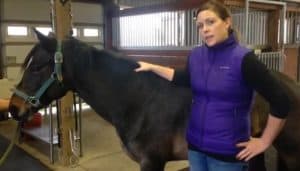
Discover what flexing a joint can tell a veterinarian about a horse’s soundness.
Recurrent airway obstruction is a chronic respiratory problem similar to asthma in humans. Help your heavy horse breath easy with tips from our visual guide.

An established human therapy helps horses as well. Learn about FES and its possible equine applications.

Get horse rescue resources to help with everything from finding a reputable rescue to refeeding a starved horse.

Embryo transfers allow a mare to carry another mare’s foal to term. Learn about the process from beginning to end.