Exercise Physiology: Are Horses like Humans & Other Species?
Dr. Erica McKenzie of Oregon State University, and an Ironman triathlete, shares what exercise physiology research in humans and dogs can tell us about our horses.


Dr. Erica McKenzie of Oregon State University, and an Ironman triathlete, shares what exercise physiology research in humans and dogs can tell us about our horses.
Learn about a yearlong study using corticosteroids and antigen avoidance to treat recurrent airway obstruction (RAO, heaves) from Dr. Mathilde Leclere.
Researchers are seeking healthy, client-owned horses to take part in research on equine respiratory disease.

Horses with botulism often present as if they are colicking. Here is how to tell the difference.
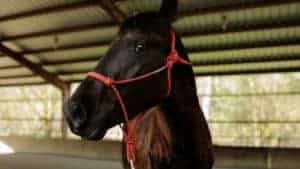
Meet Q, a Rocky Mountain Saddle Horse that survived proliferative enteropathy caused by Lawsonia intracellularis.

Neonatologist Dr. Christine Gleason of Seattle Children’s Hospital talks about the similarities between human babies and foals and lessons the two fields can learn from each other.
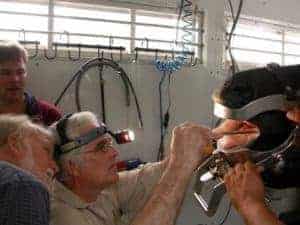
Get your questions answered and learn about the latest advances in horse dental care in this live event.
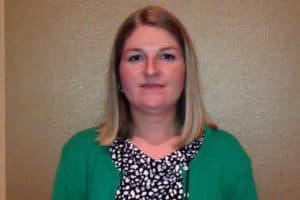
Dr. Sarah Reuss of the University of Florida College of Veterinary Medicine describes the special care equine internal medicine specialists offer horses and their owners.

Dr. Scott Palmer explains how vital signs are used to monitor racehorses during and after training.
Discussion topics will include techniques for evaluating hay, forage alternative options, and more.
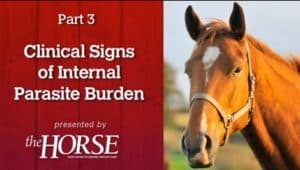
Internal parasites can make a horse unthrifty and cause poor hair coat, digestive issues, and even colic. Learn about these and other clinical signs of a wormy horse from Dr. Steve Sundholm of Equus Veterinary Service in Oregon City, Ore.
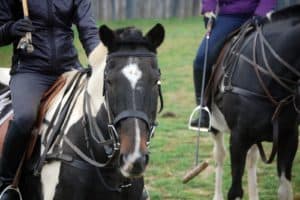
Dr. Erica McKenzie of Oregon State University shares the horse breeds and diseases associated with tying up.

Dr. Erica McKenzie of Oregon State University shares how to get your horse into riding shape after a winter’s rest.

Dr. Erica McKenzie of Oregon State University describes the common causes of exertional rhabdomyolysis in horses.

Recovery following completion of three-day events is different than it was when cross-country was long format, says Kent Allen, DVM, head treating vet at the Rolex Three-Day Event.

Dr. Scott Palmer explains why some racehorses wear tongue ties and why this equipment is important.