Mares in Heat: What’s Normal, What’s Not?
Mares get a bad rap for recalcitrant estrous behavior, but hormones and tumors could also be at play.

Mares get a bad rap for recalcitrant estrous behavior, but hormones and tumors could also be at play.

Do we underestimate the impact of ill-fitting tack on our horses? Learn how to recognize and address saddle fit problems.
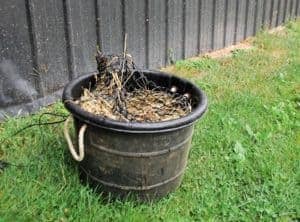
Hay soaking can help horses with equine metabolic syndrome, but owners should understand how it might affect the rest of the diet.
Dr. Bianca Ruspi explains how owners can reduce their horse’s risk of colic in this Ask TheHorse Live excerpt.
Rethink parasite control by battling resistance, using evidence-based deworming, dispelling myths, and involving your veterinarian. Sponsored by Bimeda.

Dr. Nancy Diehl addresses a question about why a mare might respond differently to training after having her first foal.
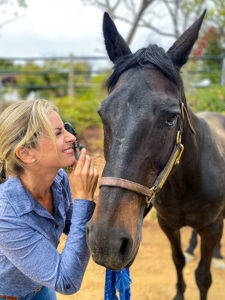
Consider these 8 behaviors that could suggest your horse struggles to see.

Forage should be the basis of your horse’s diet. Here’s what factors to consider when choosing a forage.



Find out how postbiotics influence horse health and which horses might benefit from supplementation.


‘Low-starch’ horse feeds do not have a standard definition. Nutritionists recommend testing forage and calculating total diet NSCs to manage sugars and starches safely.

The cases are located in Weld County.

Read about how veterinarians incorporate therapies such as acupuncture and PEMF to help your horse feel his best.