
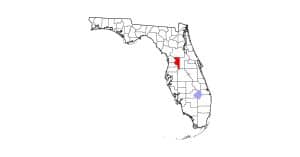
The horse resides in Sumter County, where 49 horses are exposed.

When managing laminitic horses, making dietary changes is often necessary for the success of other treatment efforts.
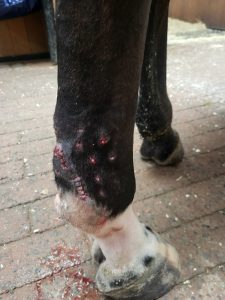
This new approach will allow veterinarians to support better wound healing in horses with traumatic wounds.

The cases are located in Riverside, Siskiyou, Fresno, San Joaquin and Sacramento counties.

Researchers have developed a new recommendation for horses being treated with the drug for a period of eight weeks.


Learn why horses with ID might be more likely to develop other conditions such as laminitis and what you and your vet can do to prevent and treat them.

Madeline Boast explains why you might need to provide supplements for horses on a forage-only diet to maintain a healthy equine gut microbiome.

One horse in Spokane County, Washington, is positive for strangles.
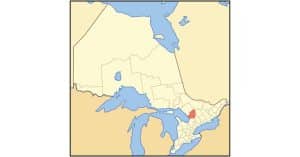
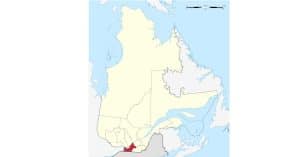
The horse lived in the District of Muskoka and was euthanized.