Kentucky Confirms Second Equine WNV Case for 2017
The unvaccinated 18-year-old Tennessee Walking Horse mare from Franklin County is recovering.


The unvaccinated 18-year-old Tennessee Walking Horse mare from Franklin County is recovering.

Our staff and sources share ways you can save time and reduce the hassle of barn chores.
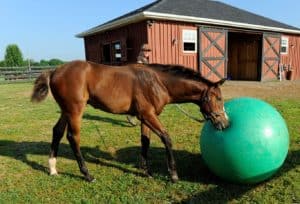
Dr. Camie Heleski offers insight on how horse and human brains differ.
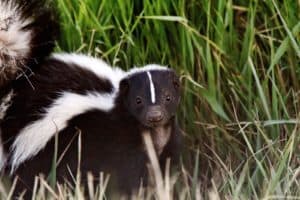
The horse from Benton County is the state’s first equine rabies case of 2017.
A mini-symposium will focus on “Ensuring the Golden Years: Problems and Care of Old Horses.”
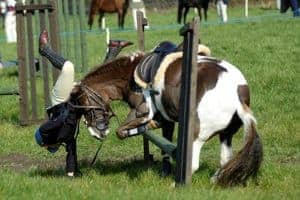
Of the so-called human-generated injuries, 63% were considered preventable by riding safety experts.

The University of Kentucky’s Dr. Camie Heleski offers advice for handling buddy-sour horses.

The board also approved a ban on injectable magnesium sulfate and will assess pergolide use for PPID horses.

Researchers tested a vaccine created with “reverse genetics” with positive results.

The affected horse was not vaccinated against EEE.

The test is designed to detect evidence of tapeworms in horses’ saliva and help guide dewormings.
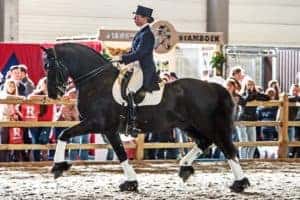
Scientists say Friesians benefit from specific exercise regimens and warmups based on their anaerobic threshold.

Have you taught a horse a task on his left but had him be clueless about it on his right? Dr. Camie Heleski explains.
The mare reportedly consumed a large quantities dog food, which caused an impaction and deadly ruptured intestine.
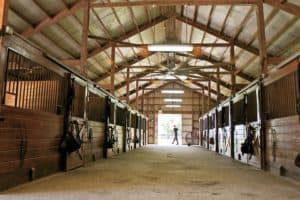
Of the 630 respondents, 323 (51%) said they use fans to keep horse barns cool during the summer.
The affected horse from Dillon County was not known to have been vaccinated and did not survive.