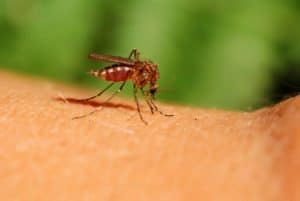
Additional WNV Cases Found in California, Minnesota Horses
California and Minnesota have confirmed 20 and 19 equine WNV cases, respectively, so far this year.


California and Minnesota have confirmed 20 and 19 equine WNV cases, respectively, so far this year.
An extract from blue-green algae—a potentially toxic substance—could help arthritic horses without poisoning them.
Look for educational articles and social media posts on keeping equine joints and bone healthy, Oct. 9-15.

Genomic tools could help address horse health problems that couldn’t be resolved with earlier technologies.

Asymptomatic carrier stallions maintain infectious agents in the breeding population from one season to the next.
“Genomics” covers all aspects of genes, including structure and function. Here’s what equine researchers are learning.

Government and horse industry members share thoughts on how a new administration might influence horse-related policy.
The Quarter Horse bled out after being shot with a bow and arrow in the middle of the night.

The same bacterium causes two very different conditions in horses. Dr. Craig Carter explains.
The British survey results also suggest that lamenesses are more likely to originate in the limb than in the foot.
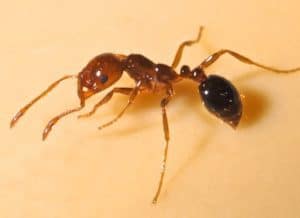
The gradual north- and westward expansion of the fire ant’s range is exposing more horse owners to this important pest.
With Hurricane Matthew approaching, five facilities are opening their doors to evacuated horses and other livestock.
What behavioral or health information do you need to share when selling a horse?
Reported diseases include African horse sickness, herpesvirus, influenza, strangles, and equine infectious anemia.

Cleaning and disinfecting stalls is critically important for biosecurity, especially in controlling disease outbreaks.

Dr. Craig Carter’s spent his career studying leptospirosis. Here, he describes the bacterial condition.