

Balancing Ulcer Management and Weight Control in Horses
For horses prone to weight gain, ulcer management often conflicts with feeding restrictions. This Q&A outlines forage-based ways to support gastric health.

Feeding the Foot: Nutrition for Equine Hoof Health
Two equine nutritionists shed light on the do’s and don’ts of feeding your horse to promote strong and healthy hooves.

Pre-, Pro- and Postbiotics for Horses
Understanding how these products work and what to look for on their labels can help you make the best decision for your horse.
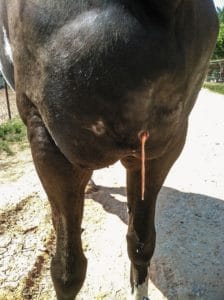
Understanding Pigeon Fever in Horses
Corynebacterium pseudotuberculosis causes pigeon fever and internal abscesses. Cases are rising nationwide, making biosecurity critical.
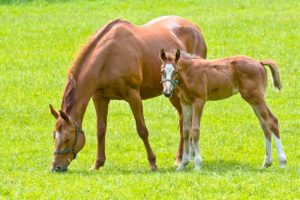
Equine Rotavirus A and B: Understanding Their Similarities and Differences
Rotavirus causes severe contagious diarrhea in young foals. New research explains why current vaccines miss Group B and how new vaccines could protect foals.

Feeding Milk Replacer When a Foal Needs Extra Nutrition
Sometimes mares don’t produce enough milk to support their foals’ demands. Here’s what you can do to help.

Breeding Aging Mares
How to decide if your older mare is a good candidate for breeding and improve her chances of success.


Managing Horses With Metabolic Problems
In this podcast episode two experts answer listener questions about managing horses that have metabolic problems. Sponsored by Dechra.

Horse Racing Surface Consistency
Standardized, multilevel surface testing is helping racetracks improve consistency, fairness, and ultimately horse and rider safety.

Equine Neurologic Disease: Signs, Diagnosis, and Management
Neurologic disease in horses often begins with subtle gait or behavior changes. Early recognition helps direct appropriate diagnostic workups and care.
Preventing Glandular Gastric Disease in Horses
One expert explains how to prevent glandular gastric disease in your horse by managing his routine. Sponsored by Kelato.
Wisconsin Filly Confirmed Positive for Respiratory EHV
The filly lives in Manitowoc County.
Wisconsin Mare Tests Positive for Strangles
The mare lives in Marinette County and was recently acquired from a kill pen.

Diagnosing and Treating Gastric Ulcers in Horses
Everything you need to know about glandular and squamous gastric ulcers in horses, from clinical signs to treatment. Sponsored by Kelato.


