
The Slippery Slope to Learned Helplessness in Horses
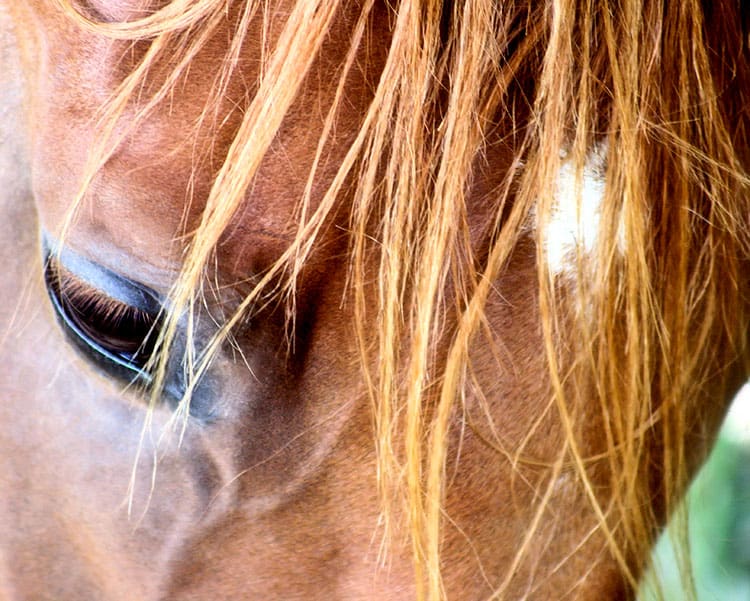
Many training styles and riding mistakes can make a horse less responsive to cues, pressure, and even pain—and that’s often the early stages of learned helplessness. Learn how to identify and prevent this negative mental state.
Horse Health After an Immune Challenge

If your horse survives one of these five infections, he might still suffer lasting effects. Learn which diseases most commonly cause post-infection illnesses and how they can impact a horse’s long-term health, use, and quality of life.
A Quick Guide to Micronutrients for Horses

Though they make up only a tiny part of horses’ diets, micronutrients play big roles in major physiological functions, ranging from bone and muscle performance to digestion to hormone signaling.
Sesamoid Injuries in Horses: Diagnosis, Treatment, and Prevention

Sesamoid injuries in horses can be difficult to repair and even catastrophic; here’s what can go wrong and how to prevent it from happening.
Keeping Equine Preventive Care Organized
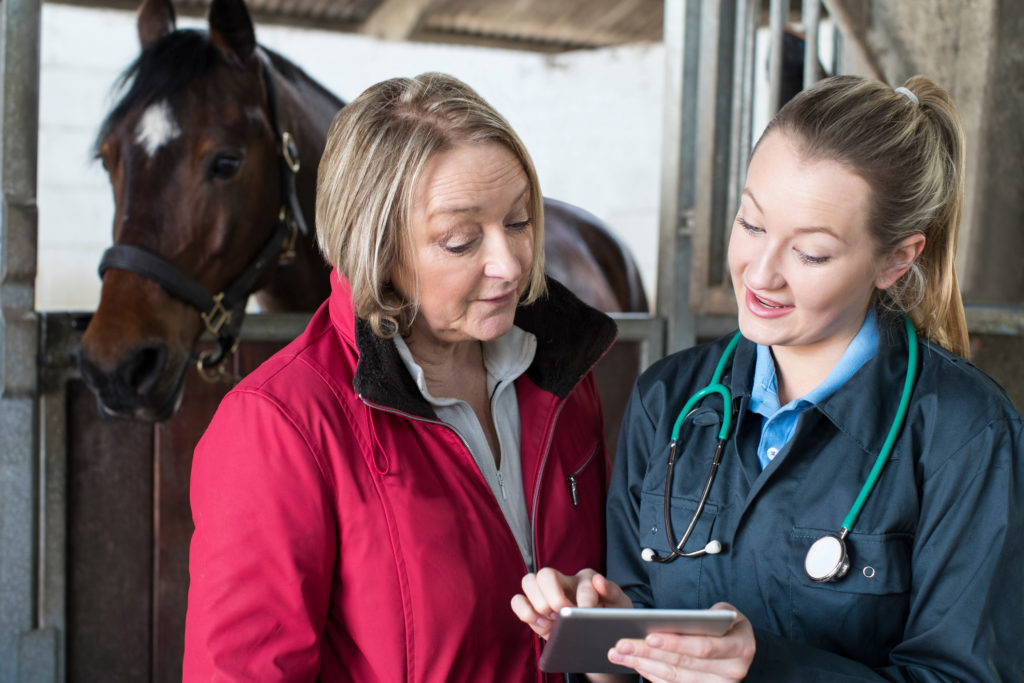
Here’s how farm managers responsible for large numbers of horses can ensure they stay up to date on vaccines, deworming, and more.
Bringing Your Horse Home

Before you bring a horse home, there’s a host of things to prepare and much to consider. Our sources share their recommendations for owners making the transition to at-home horse care.
A Window Into Your Horse’s Sole

Does your horse have thin soles? Here’s how to manage his feet to help keep him sound.
Equine Hoof Care: The Flourishing Frog

The horse’s frog is a highly adaptable structure that’s crucial to hoof health. Here’s what you need to know.
Not Your Average Equine Ulcer

Gastric disease develops most commonly in the squamous region, when stomach acid splashes onto that vulnerable area of tissue. Why it develops in the glandular region—and how to prevent and treat it—is less clear. Five researchers discuss what we do know about equine glandular gastric disease.
NSAIDs: Helpful or Harmful for Horses?

Non-steroidal anti-inflammatory drugs serve an important role in managing equine pain and inflammation, but sometimes they can do more harm than good.
Trouble’s Afoot: Signs Your Horse Has a Hoof Problem Brewing
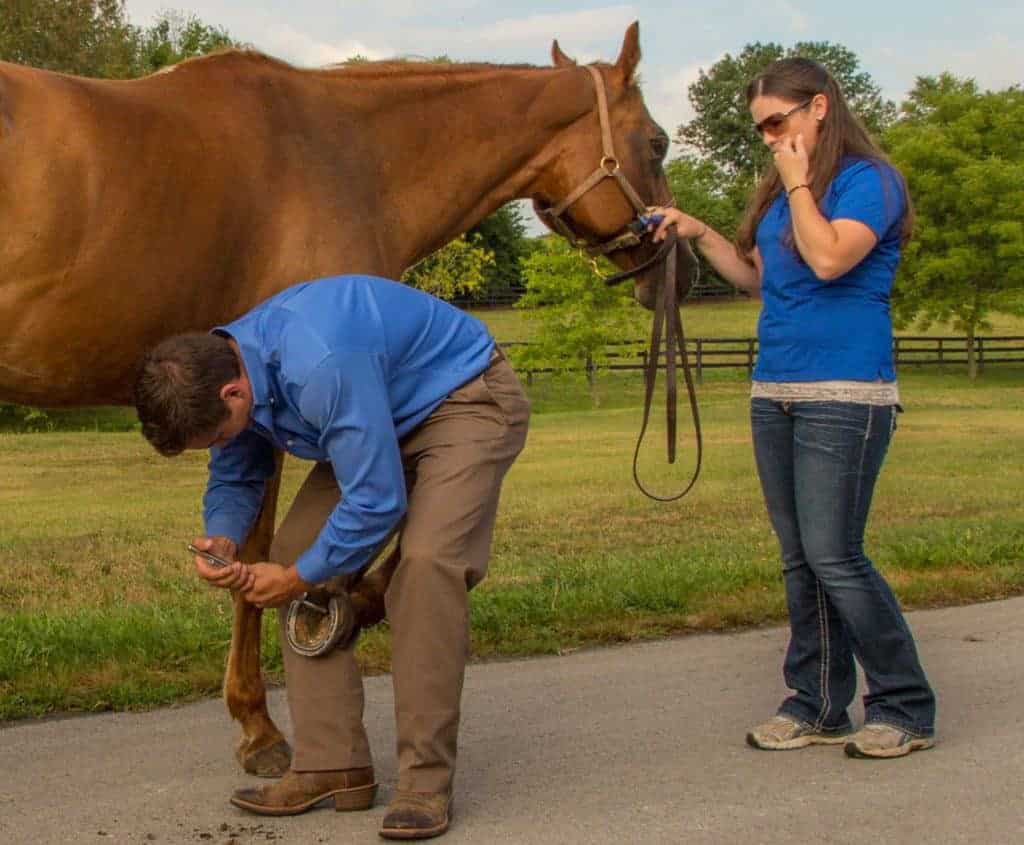
Find out what hoof problems you can safely manage yourself and when to call in your farrier and/or veterinarian.
Common Equine Eye Conditions

If you have ever dealt with an equine eye problem, you know the importance of early recognition and appropriate treatment. Here are some common conditions and how your veterinarian might manage them.
Safe and Smart Horse Camping

Camping is all about simplicity and going back to nature, but adding horses to the picture means you must make many more considerations. Our sources shared their top tips for getting ready to go horse camping.
Retirement Planning: Optimizing Your Horse’s Post-Career Care

Is your horse approaching his retirement years? Learn how to keep your horse happy and healthy after his athletic career.
Why Fly Control Is Critical for Horse Health

Know your common fly species, the diseases they transmit, and ways to deter them from your property.
Minimizing Foal Stress Levels in the Breeding Shed

What would be the best plan for handling a foal whose dam is being covered by a stallion?