
Thinking Like a Horse
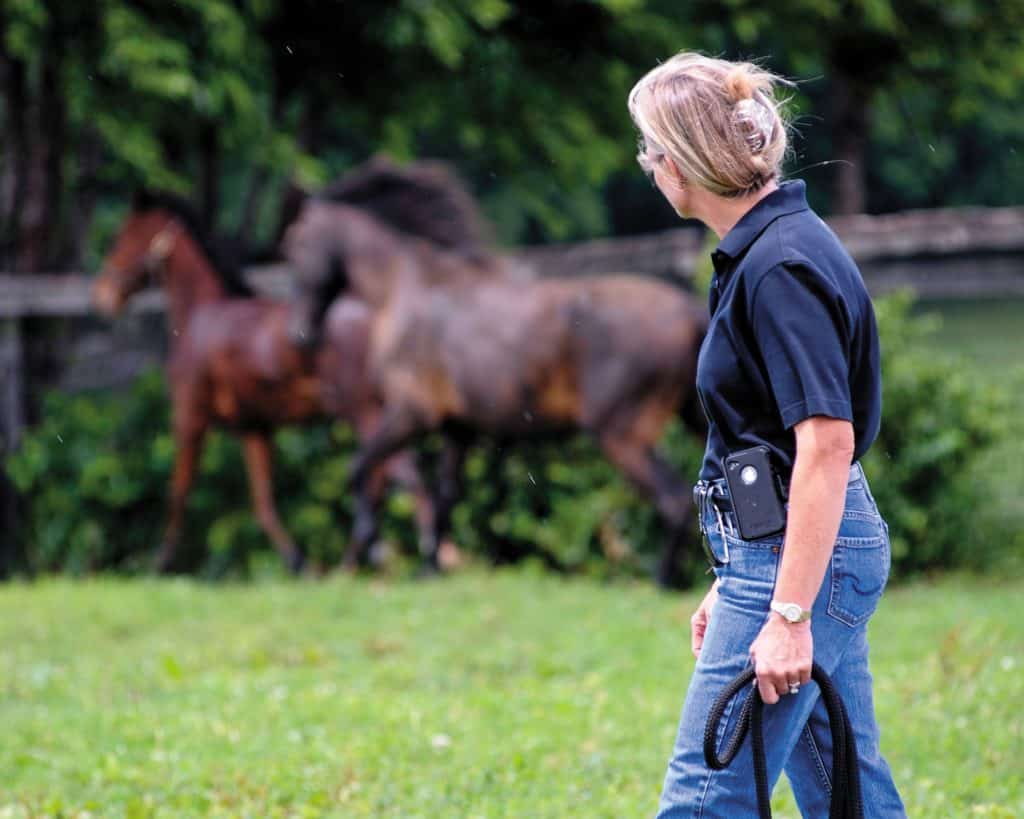
By gaining a better understanding of how horses associate and learn, can we train them more effectively and ethically?
Diseases That Affect Nutrient Delivery in Horses

Watch for these conditions that impact nutrient absorption and lead to weight loss in horses.
Sending Signals

A horse’s back isn’t purpose-built for riding, but awareness and attention to our influences—and applying the most recent scientific equitation research—can go a long way in helping ensure soundness, welfare, and longevity under saddle.
Preparing Mares for Foaling

Spring is an exciting time for many breeders, as it likely marks the last trimester of their mares’ pregnancies. Due to the rapid changes that occur in the last few months of gestation, it is imperative that owners monitor mares closely.
Fit for the Trail

Learn how recreational riders can condition and protect their equine weekend warriors.
Fractures: Beyond the Limbs
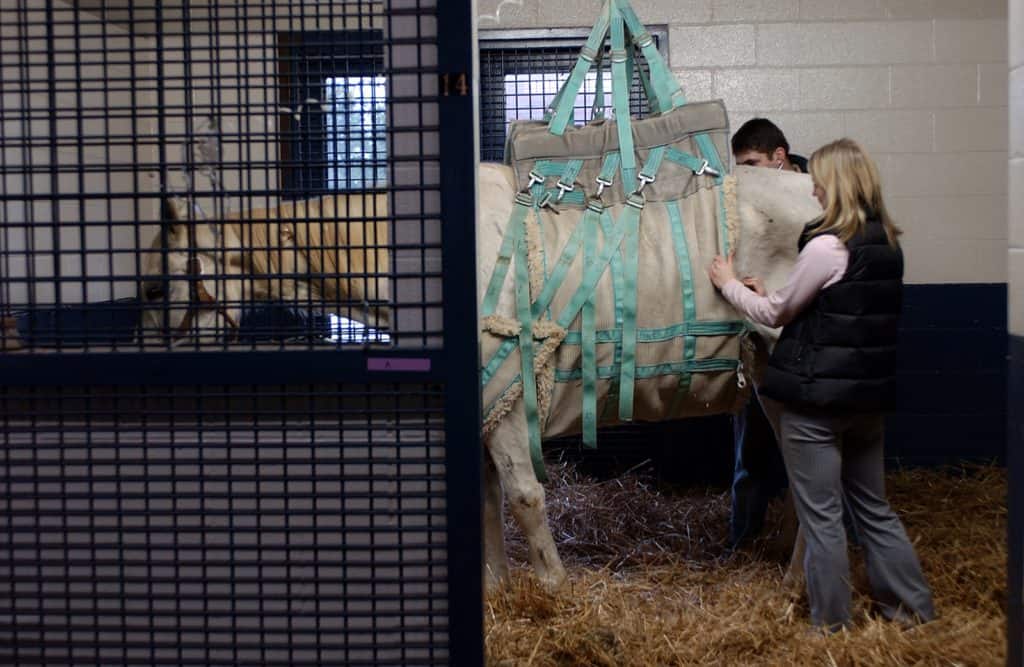
They might be less common than limb fractures, but skull, rib, pelvis, and withers fractures are no less important.
Improving the Standard Tieback Technique

Surgeons have honed a new approach to correct airway collapse in horses.
Horses at Work: Lifestyles of Working and Service Horses

Horses that plow, heal, or protect have distinctly different lifestyles than the average riding horse.
Winter is Coming: Are Your Horses and Farm Ready?

Three equine professionals offer tips for preparing your animals, facilities, and yourself for the deep freeze ahead.
Troubleshooting Horse Arena Hazards

Maximize safety, soundness, and performance by solving your equine arena surface snafus.
Winter Horse Pasture and Paddock Management

Protecting your horse’s turnout now can help ensure green pastures later.
Making it Legal: Equine Lease, Sales, and Boarding Contracts

Getting any horse agreement in writing can help you avoid a trip to court. Here’s what you should know.
Equine Rehab Therapies: How Do They Work?

A look at noninvasive high-tech therapies–from lasers to ceramic-thread blankets–and how they might help horses heal.
Seeing Double: Handling Equine Twins

Because the mare’s uterus is not designed to support two pregnancies, veterinarians have developed methods for detecting and reducing twins.
Horse Knees: The Crooked, Chipped, and Inflamed

Horses’ knees are prone to both congenital and acquired lameness problems. Here’s what you need to know.
Castration: A Crucial Part of Responsible Ownership

Being a responsible horse owner involves deciding if and when castration is appropriate.