2011’s Top Equine Studies (AAEP Convention 2011)
Drs. Patrick M. McCue, Scott E. Palmer, and Steve Reed presented the top studies in equine reproduction, surgery, and medicine during the 2011 AAEP Convention’s Kester News Hour in San Antonio, Texas.

Drs. Patrick M. McCue, Scott E. Palmer, and Steve Reed presented the top studies in equine reproduction, surgery, and medicine during the 2011 AAEP Convention’s Kester News Hour in San Antonio, Texas.

Electrolyte use and gastric emptying, nonstructural carb tolerance in healthy horses, and nonstructural carb tolerance in healthy horses, and Lawsonia intracellularis, are included in this wrap-up from the 2011 AAEP Convention.
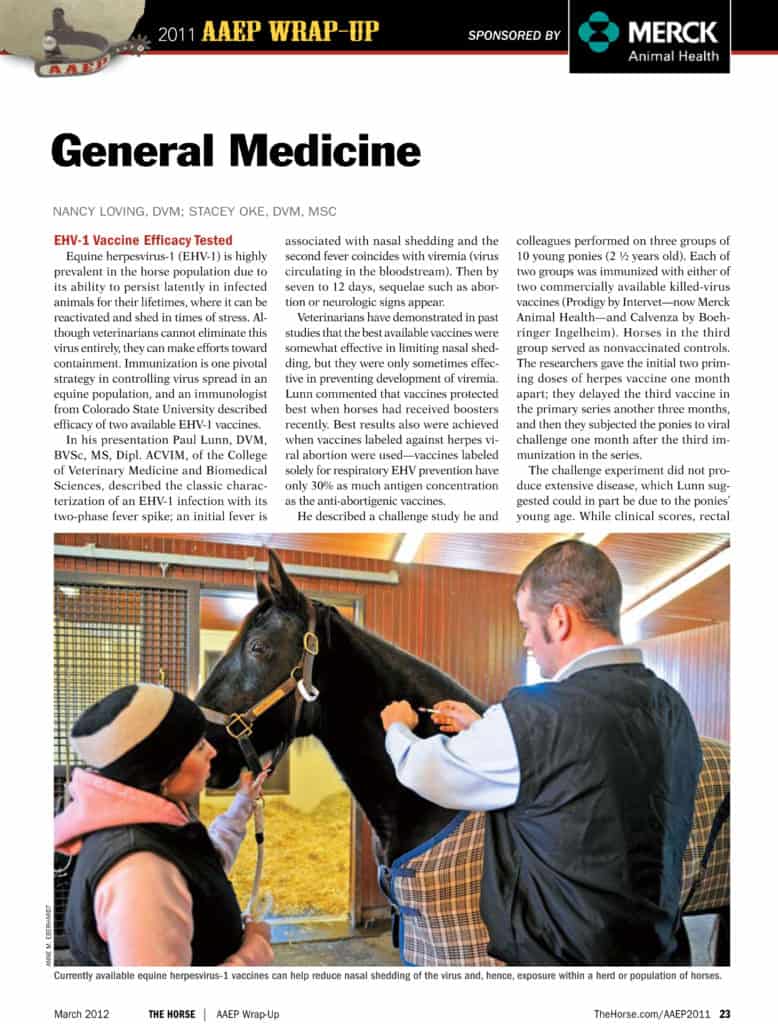
Topics include EHV-1 vaccine efficacy, rhinitis in respiratory cases, a new “cancer vaccine” for horses, a new insulin resistance test method, equine Cushing’s disease, and more at the 2011 AAEP Convention in San Antonio, Texas.
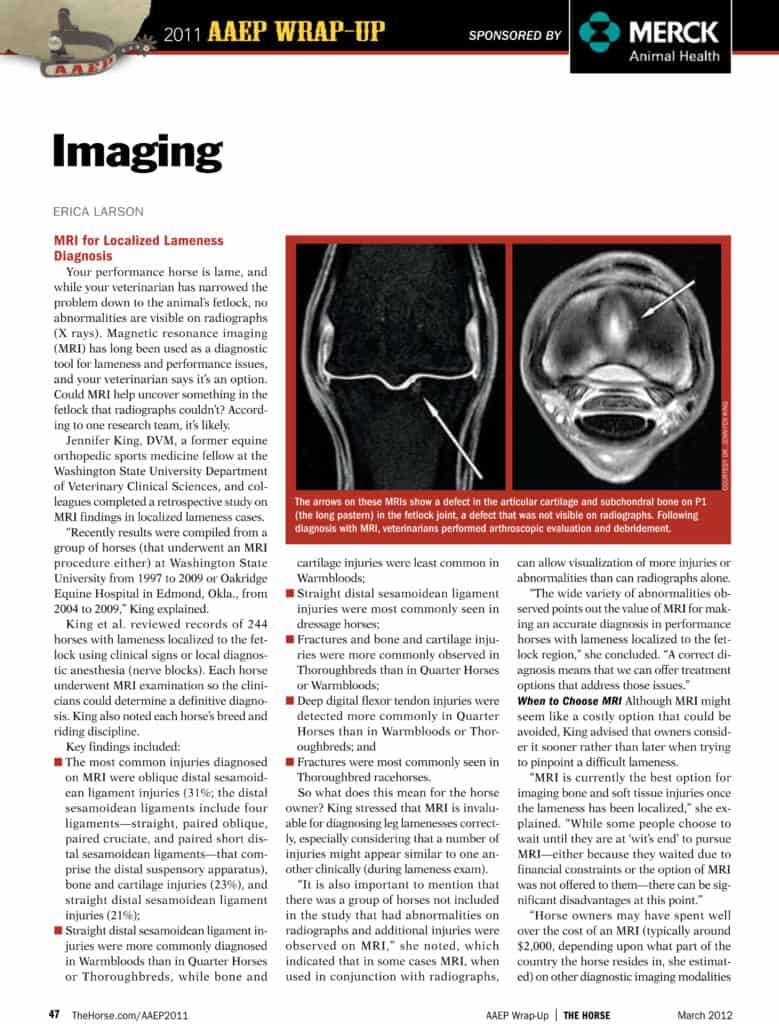
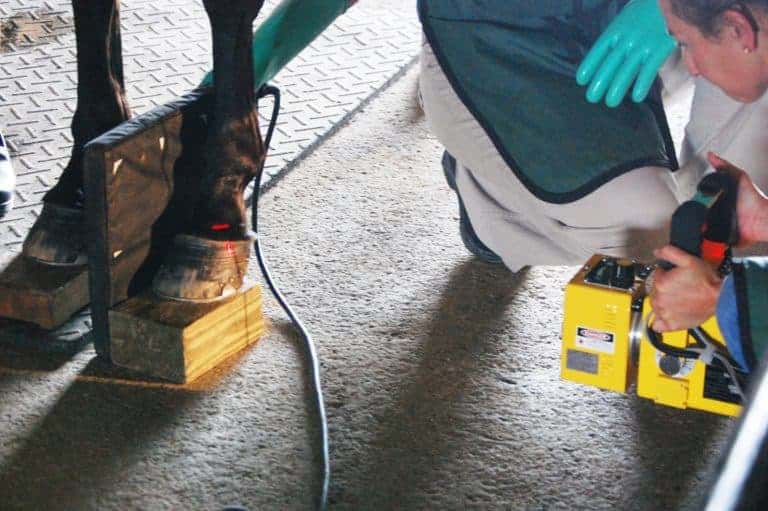
Topics include using the MRI for diagnosing localized lameness and to detect wobbler syndrome and erve blocks’ effects on foot MRIs during the Imaging section of the 2011 AAEP Convention in San Antonio, Texas.
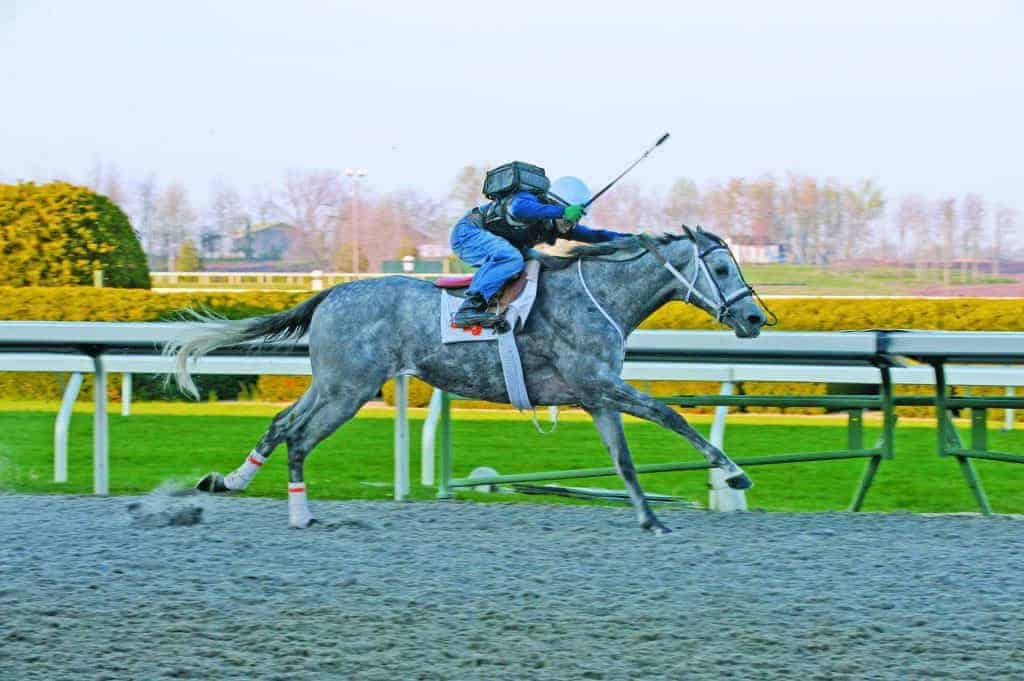
Veterinarians have fine-tuned numerous methods for evaluating the upper respiratory tract for abnormalities.
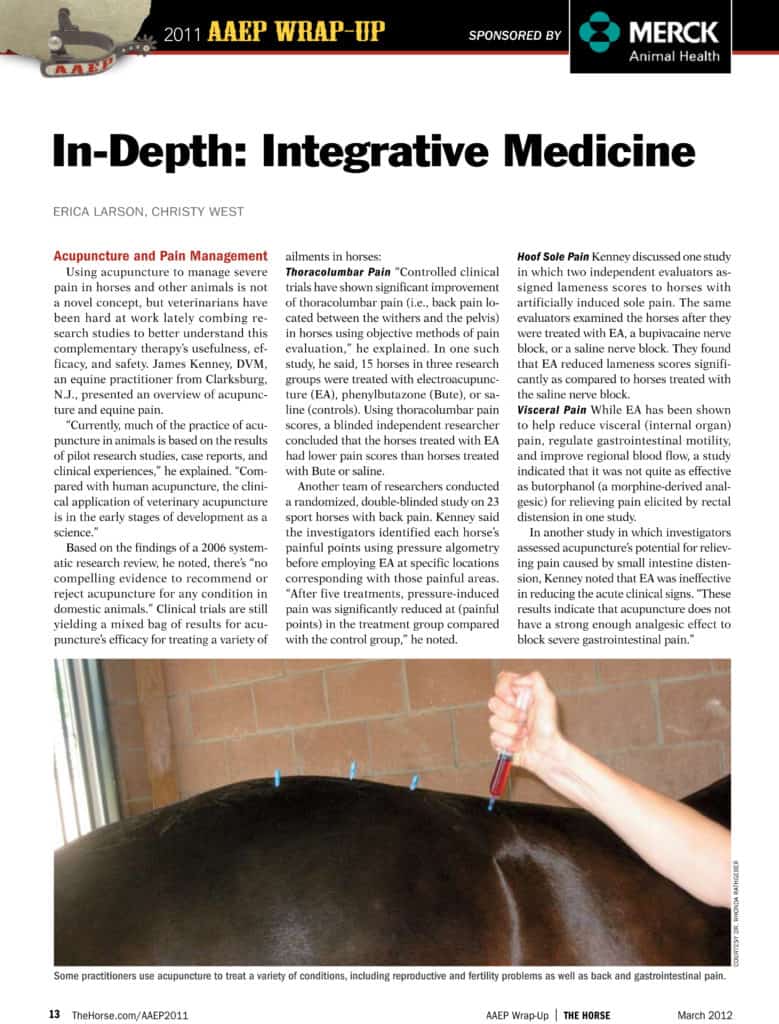
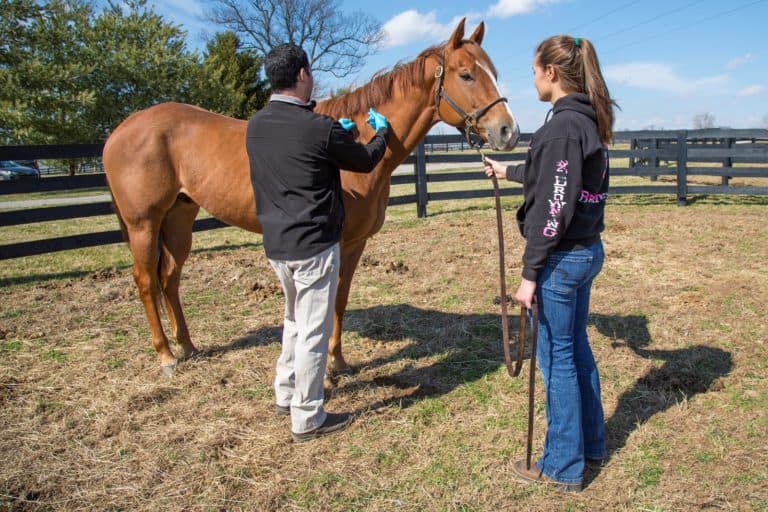
Using integrative medicine techniques for pain management was discussed at the 2011 AAEP Convention in San Antonio, Texas. Topics included acupuncture and pain management, manual therapies for back pain, and physical therapy for limb problems.
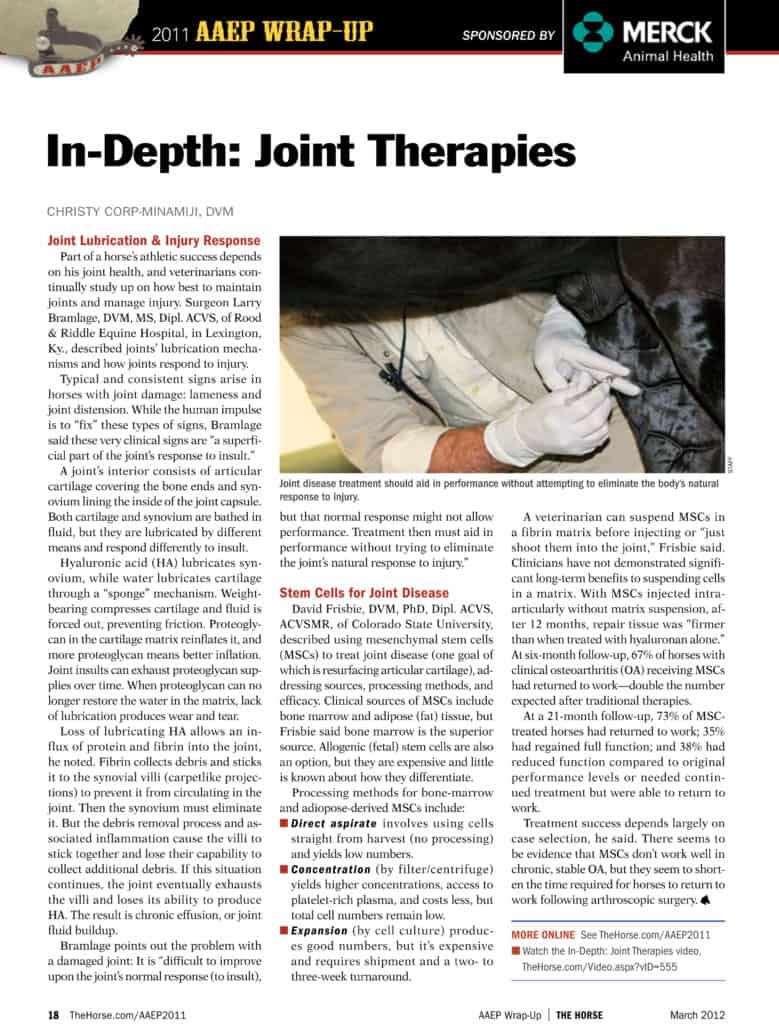
Dr. Larry Bramlage talks about joint lubrication and injury response and Dr. David Frisbee talks about using stem cells for joint disease during the joint therapies section of the 2011 AAEP Convention held in San Antonio, Texas.

“A moderate intake of NSC (30% of total DE) is perfectly fine for non-obese normal horses,” Pagan concluded.

Study horses treated with full-limb casts had a fivefold greater risk of developing laminitis.

Researchers hope to more fully characterize alterations at the microscopic level in diseased navicular bones.

One researcher described how to evaluate horses’ feet, legs, and gaits for potential soundness or lameness.
Researchers compared different suture materials’ integrity for closing abdominal incisions from colic surgery.

Epidemiology, the study of determinants of disease in populations, is important for managing horse health.

One researcher concluded that when dosing PBZ in the horse, “More is not better. Less is less effective.”
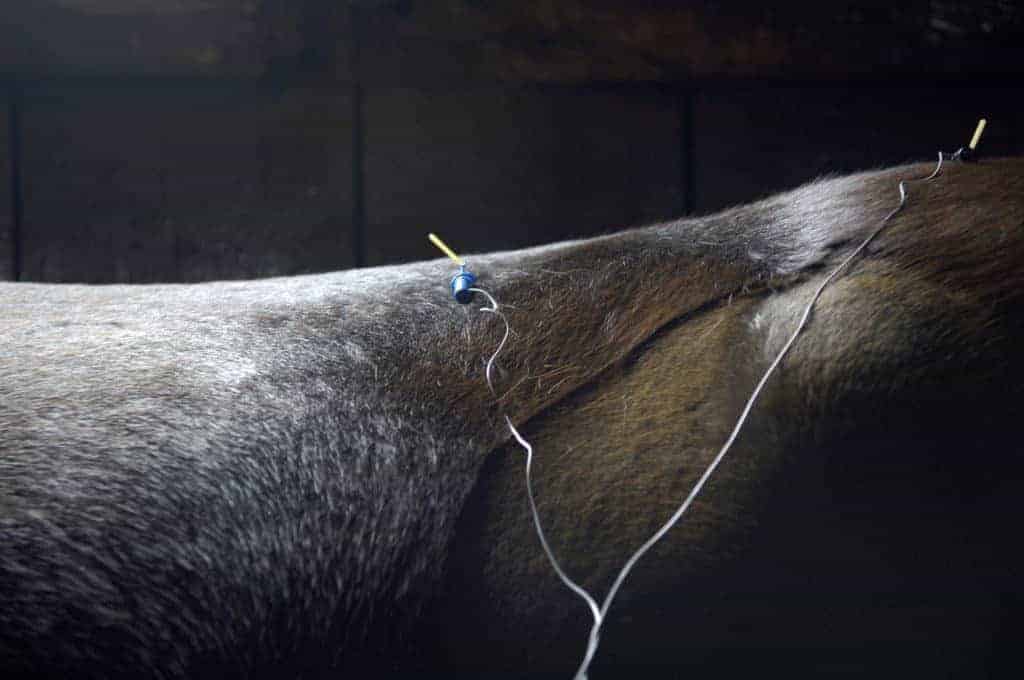
Clinical trials still yield a mixed bag of results for acupuncture’s efficacy in treating equine ailments.

The Lembert single layer pattern is faster, stronger, and less likely to impede the intestinal flow.