Article

Subcategories:
None

ACVIM 2006: New Nutrition Software

Researchers have completed the new National Research Council (NRC) report that describes nutritional requirements of the horse. The report is expected to be released this fall to update the previous publication, which was distributed in 1989.

Read More

Respiratory Disease: Not So Easy Breathing

The terms recurrent airway obstruction (RAO or heaves) and inflammatory airway disease (IAD) are often wrongfully used interchangeably to describe horses with non-infectious respiratory disease.

Read More

Del Mar Gets Initial Approval for Synthetic Track

The Del Mar Thoroughbred Club gained unanimous approval Sept. 12  to install an $8 million synthetic surface  from the board of directors of the agricultural district that oversees the seaside track.

Craig Fravel, Del Mar’s

Read More

Aging and the Aortic Valve

Researchers from the United Kingdom report there is a decrease in contractile function of the horse’s aortic valve with age, resulting in aortic valve disease.

Read More

COX-2 Expression in Equine Tumors (ACVIM 2006)

Therapies for equine cancer are few and far between, but a veterinary oncologist from Colorado State University (CSU) thinks equine tumors could be treated with non-steroidal anti-inflammatory drugs (NSAIDs).

Read More

Another Route For Ulcer Treatment

Omeprazole paste is the gold standard when it comes to treating equine gastric ulcers syndrome. However, researchers at the University of Tennessee College of Veterinary Medicine said because of its potency and long-acting effect, an intravenous form

Read More

Educational Units for Youth Now Available from KEEP

Youth educational units are now available for groups to request for meetings. Kentucky Equine Education Project (KEEP) representatives are available to attend your meeting and to present a unit of the groups’ choosing.

Units currently being

Read More

Echocardiographs and Pulmonary Arterial Pressures

Researchers have found that echocardiographic measurements of the pulmonary artery, aorta, and heart chambers gave a valid estimate of pulmonary artery pressures (PAP) in horses. The ability to measure PAP is key to diagnosing and following

Read More

Small Volume Resuscitation in Anesthetized Endotoxemic Horses

Endotoxemia occurs when toxins from the wall of Gram-negative bacteria crosses the intestinal wall and gains access to the bloodstream. Endotoxin becomes concentrated on the surface of white blood cells, causing them to secrete inflammatory agents.

Read More

Testing for Insect Hypersensitivity

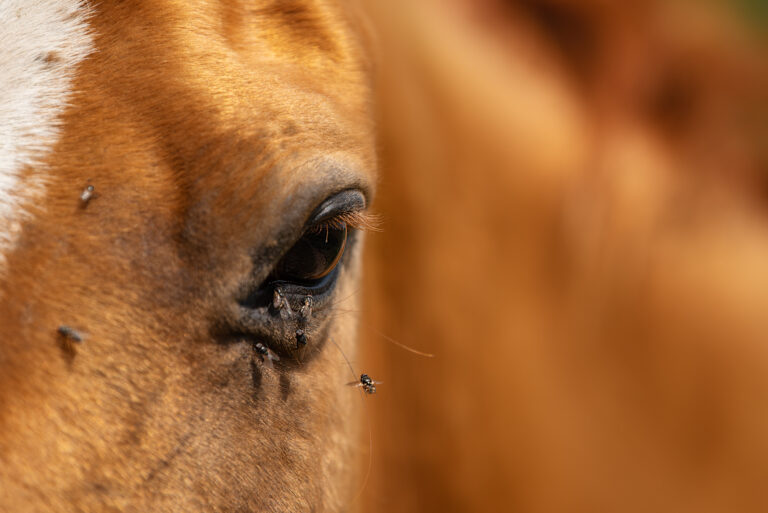
Allergy testing is done in many species, including horses and humans. Unfortunately, testing to determine a horse is hypersensitive to insect bites is difficult. This disease (insect hypersensitivity) occurs seasonally, in horses of all ages and bree

Read More

More From The Horse

spring pasture, turnout tips, horse turn out, horse in pasture, grazing, spring, spring turnout
Horses in their stable
What's New With Weaning?
hives

Stay on top of the most recent Horse Health news with

FREE weekly newsletters from TheHorse.com

Weekly Poll

sponsored by:

How often do you apply fly spray to your horse during peak fly season?
161 votes · 161 answers

Create a free account with TheHorse.com!

The Horse
Privacy Overview

This website uses cookies so that we can provide you with the best user experience possible. Cookie information is stored in your browser and performs functions such as recognising you when you return to our website and helping our team to understand which sections of the website you find most interesting and useful.