Cutaneous Lymphangitis in Horses
If left untreated, cutaneous lymphangitis can cause permanent leg disfigurement. Here’s what to know about this condition.

If left untreated, cutaneous lymphangitis can cause permanent leg disfigurement. Here’s what to know about this condition.
A horse died after kicking out the newly replaced floor of a trailer in which he was riding, falling backwards, and being dragged on a busy roadway near Fort Pierce, Florida.

Meconium impactions are the most common cause of intestinal obstruction and one of the most prevalent health issues overall in neonatal foals.
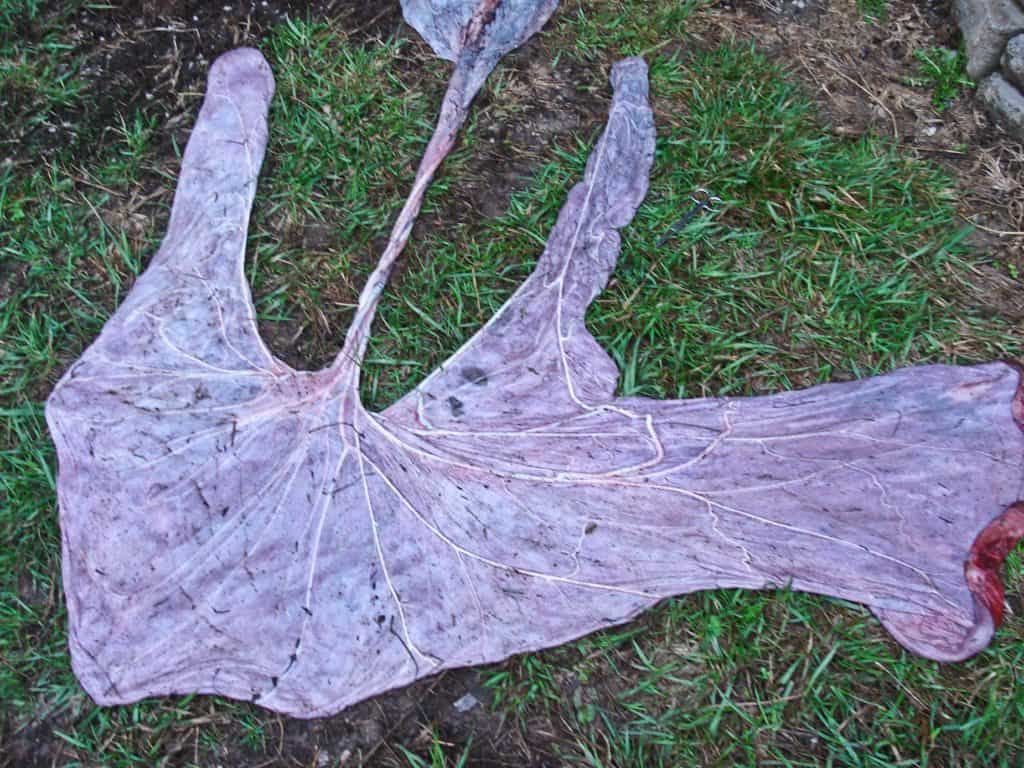
Retained fetal membranes can cause serious problems for broodmares. Here’s what you need to know.

Understanding how pulmonary disease impacts performance can help veterinarians diagnose and treat issues that could be impairing horses’ athleticism.

Proper spring turnout management and monitoring body condition are important steps to keeping your horse healthy.

Nails that have punctured the bottom of a horse’s hoof, sometimes called “street nails,” require careful veterinary inspection and treatment. Here’s what to know.

A horse’s sinus cavities are complex, which makes diagnosing and managing equine sinus diseases challenging for veterinarians.
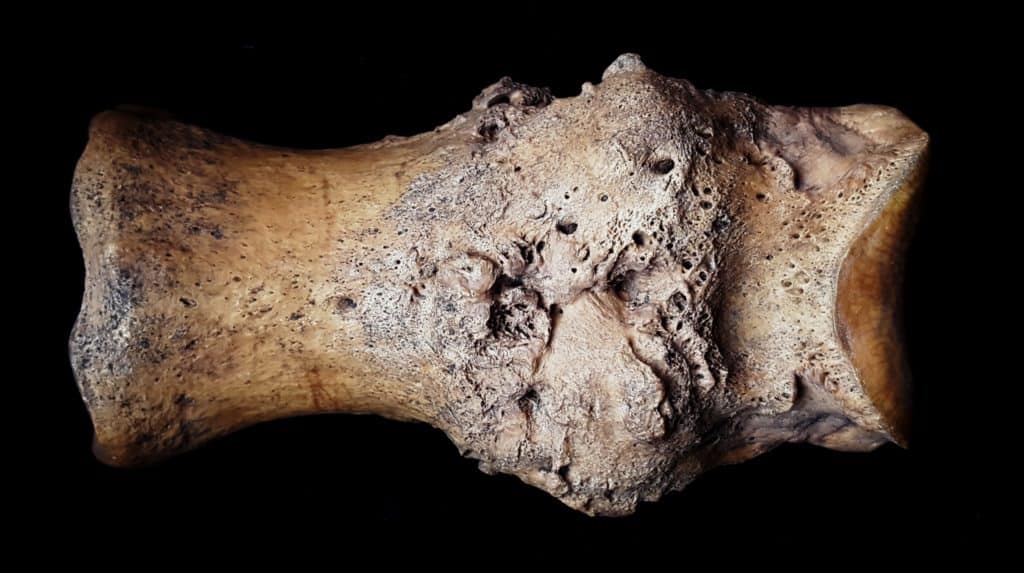
Researchers recently found and studied severe arthritis in an 11th-century horse’s front left pastern joint.

Whether they’re trapped, cast, or dead, down horses can be both difficult and dangerous to move. Here’s how to stay safe.

Consider your horse’s diet when helping him make a smooth transition from winter to spring.

Could the causative parasite S. neurona reach faraway intermediate hosts via streams and rivers?
The Court of Arbitration for Sport ruled in favor of the FEI’s policy of two-month equine provisional suspensions in banned substance cases.

Equine herpesvirus-1, or EHV-1, infection can result in late-term abortion in pregnant mares.
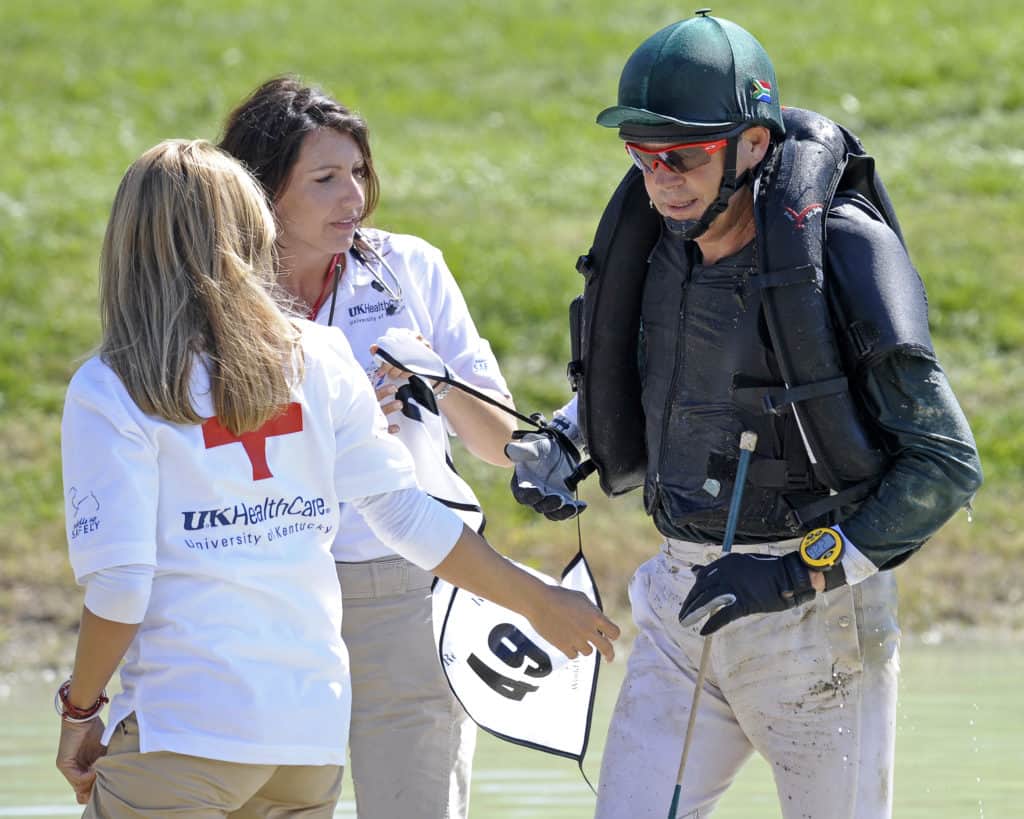
As researchers and doctors are learning more about concussions and other horse-related injuries, they’re passing that knowledge on to the riders and trainers that need it.
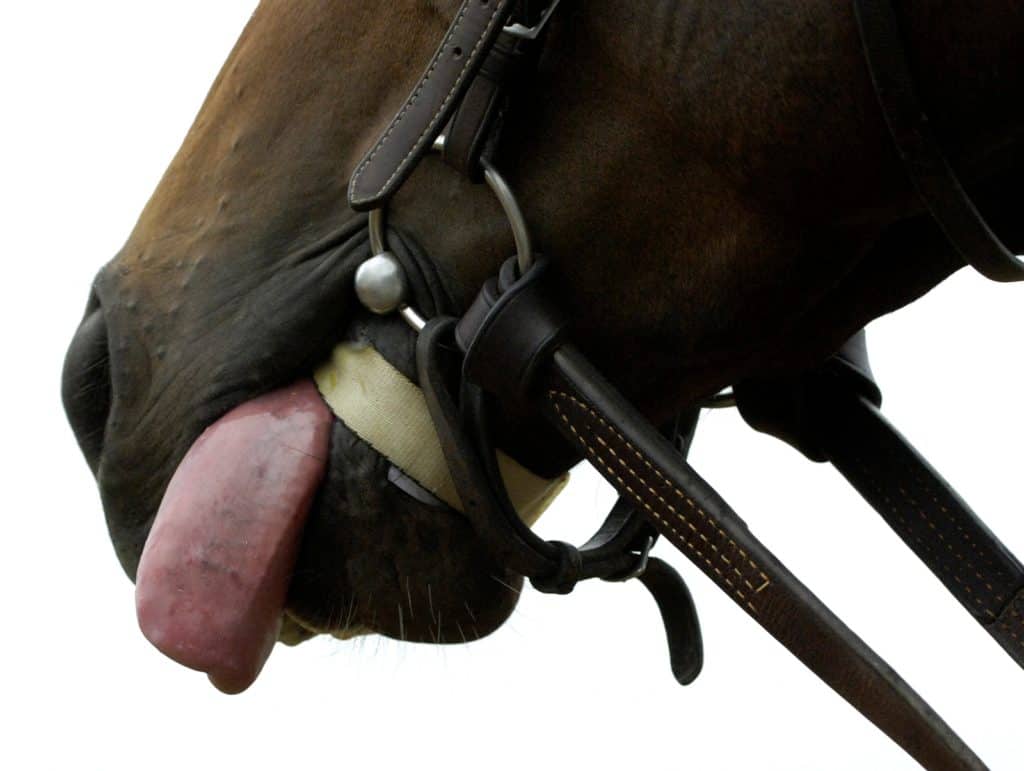
Tongue ties help some racehorses breathe better, but study results suggest they can also cause stress, even in horses that have been tied regularly in the past.