Equine Research Hall of Fame Nominations Sought
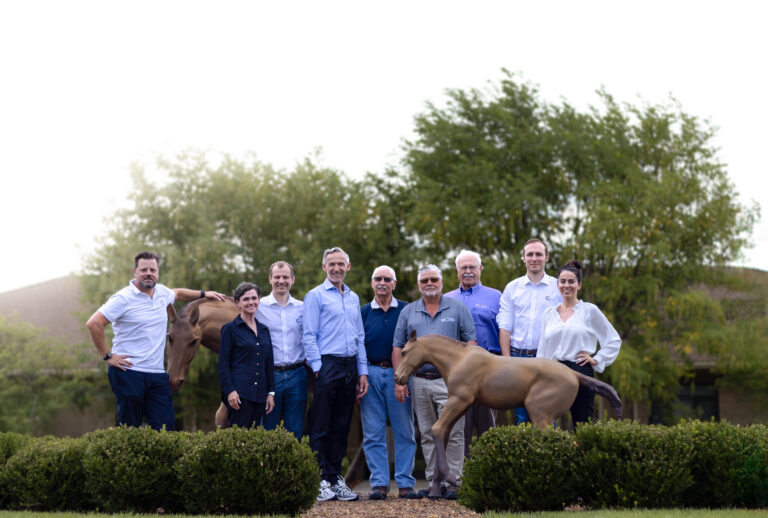
The Equine Research Hall of Fame recognizes individuals who have had distinguished careers in equine research.

“The #MeToo and #TimesUp movements have further brought to light the importance of maintaining a safe environment for all, and the equine industry is no exception to this,” said AHC President Julie Broadway.

Jerusalem artichoke meal showed promise in getting sugars out of healthy horses’ systems quicker than normal, but it hasn’t yet been tested in IR horses.

Take an inside look at the rules and regulations regarding importing horses to the United States solely for competition.

The new technique provides a stronger anchor point on the paralyzed laryngeal cartilage and performs better than current surgical practices for treating roaring in horses.

The affected horse from Weld County is undergoing veterinary treatment and recovering.

Learn how to plan forage purchases with this practical guide to hay cuttings, types, and quality.

The USA Equestrian Trust is now accepting proposals from IRS-registered equine nonprofit organizations for its 2018 grants program.

Through good research and communication, equitation science can continue to evolve in a positive manner with the goal of improving equine welfare and horse and rider interactions.

There’s been very little scientific study into sudden death in sport horses, but researchers recently reviewed a number of incidents with the ultimate goal of reducing the number of fatalities that occur.

The National Park Service’s population census of the wild horses on Assateague Island revealed 82 horses, and a new foal, bringing the herd total to 83.

Special maintenance and nutrition can help your horse get back to (and stay in) good health after a colic episode.

If left untreated, cutaneous lymphangitis can cause permanent leg disfigurement. Here’s what to know about this condition.
A horse died after kicking out the newly replaced floor of a trailer in which he was riding, falling backwards, and being dragged on a busy roadway near Fort Pierce, Florida.

Meconium impactions are the most common cause of intestinal obstruction and one of the most prevalent health issues overall in neonatal foals.

Retained fetal membranes can cause serious problems for broodmares. Here’s what you need to know.
Stay on top of the most recent Horse Health news with
"*" indicates required fields