Ribby Race Filly
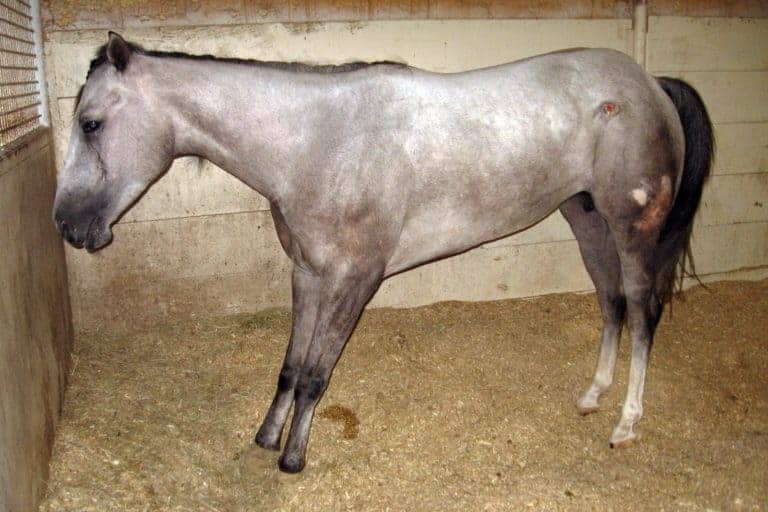
How can an owner help a ribby but successful racehorse gain weight, and what might be behind the filly’s body condition? Our source shares some thoughts.

How can an owner help a ribby but successful racehorse gain weight, and what might be behind the filly’s body condition? Our source shares some thoughts.

The American Horse Council requested clarification from the FMCSA regarding commercial driver license regulations.

Robin will administer internships for the college’s equine degree program, assist in academic advising for equine majors, support the program’s teaching mission, and help plan student events.
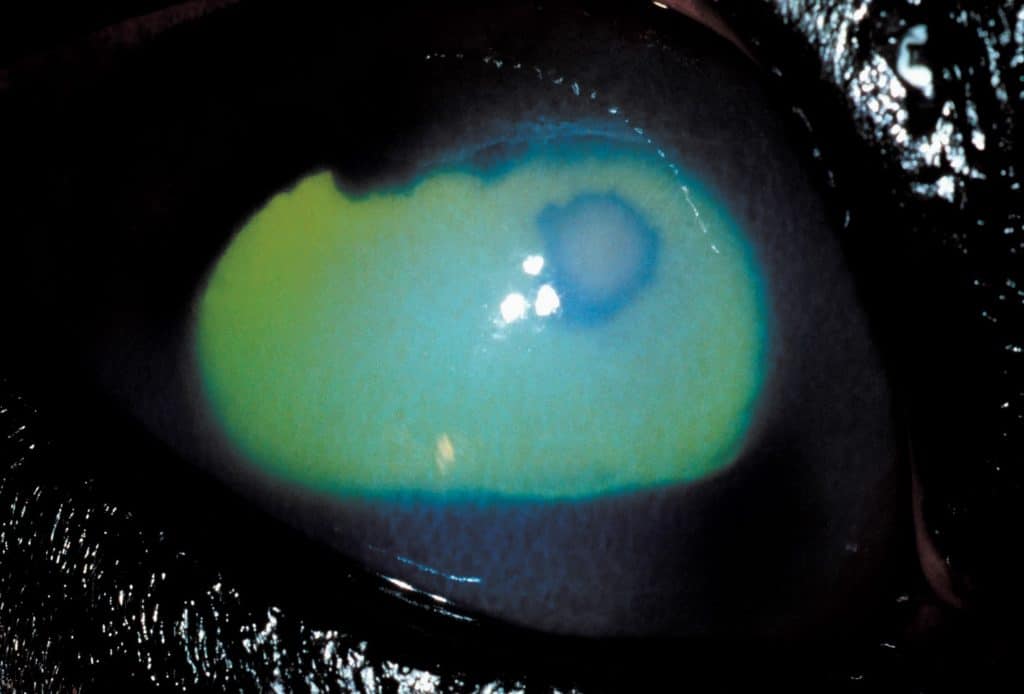
Upon examination, a painful equine eye might reveal a deeper problem than the more common ulcerated cornea.

Learn more about nutrition’s role in the development and management of equine endocrine disorders and how you can reduce your horse’s risk of developing a secondary disease.

Find out how an owner’s careful management after an injury occurred likely prevented a fatal outcome for a Quarter Horse gelding.
There is no link between the cases, which were diagnosed in Fredericksburg and Powhatan County.

A recently imported Warmblood mare now residing in Kentucky has tested positive for the neurologic strain of EHV-1.

Horses at the Hong Kong Jockey Club’s Conghua Training Centre, on the Chinese mainland, will be treated the same for residency purposes prior to temporary export to European Union member countries.
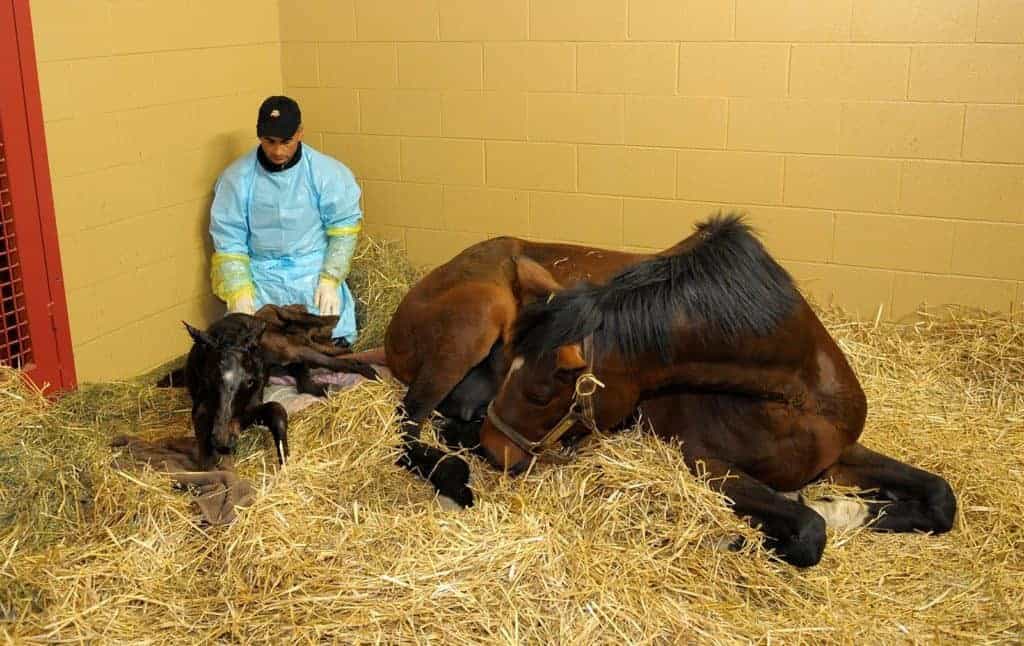
The event will take place on Tuesday, March 6 at 6:30 p.m. at the Penn Vet New Bolton Center’s Alumni Hall, in Kennett Square.
The affected Quarter Horse exhibited fever, ataxia, and other neurologic signs of disease.

Our nutritionist weighs whether steaming or soaking hay is more effective at reducing NSC levels for horses with insulin resistance.

Fleming is studying carrier proteins in circulation in horses’ bodies that have the potential to be used as biomarkers.

Good pasture management begins with maintaining soil fertility to promote the growth of desirable grasses.

Nocardioform placentitis affects late-gestation mares, causing abortion, stillbirth, or foals born alive but compromised.