Equine Vaccinations Essential During Peak Mosquito Season
Vaccines have proven to offer horses protection against mosquito-borne diseases, including WNV and EEE.

Vaccines have proven to offer horses protection against mosquito-borne diseases, including WNV and EEE.

This is the second equine Hendra virus case confirmed in New South Wales, Australia, in 2017.

The unvaccinated 18-year-old pleasure saddle horse mare presented with severe neurologic signs and was euthanized.
The AAEP Foundation and Coyote Rock Ranch will present the $75,000 scholarships at 2017 AAEP Convention.
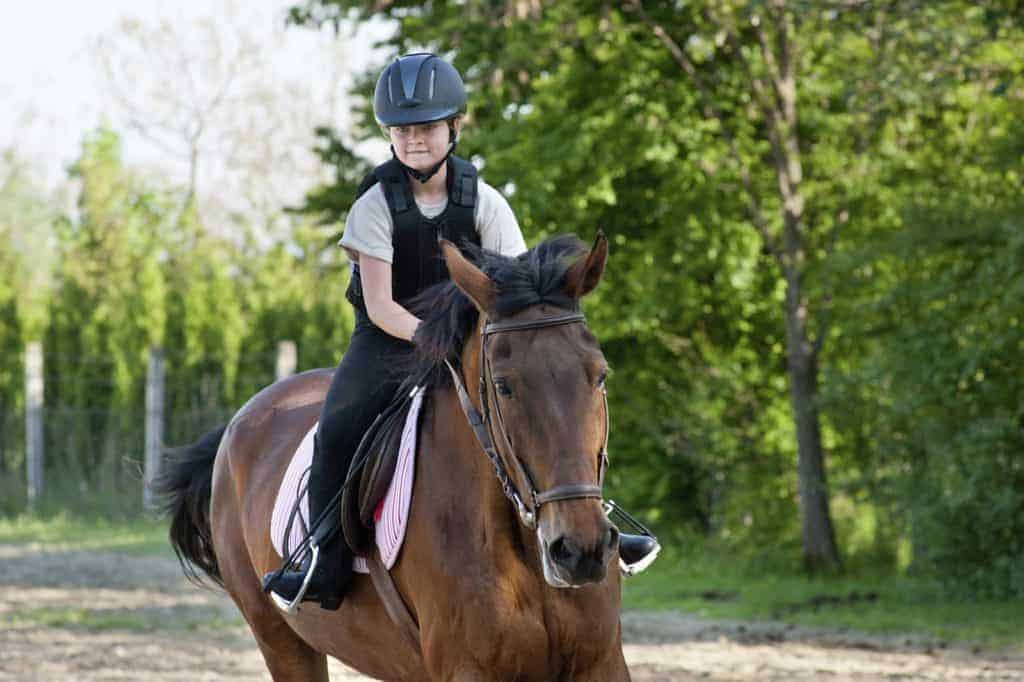
Of the 392 respondents, 202 (52%) said they were or are a member of at least one equine youth organization.

Researchers identified risk factors including hay type, water source, breed, and pasture access.
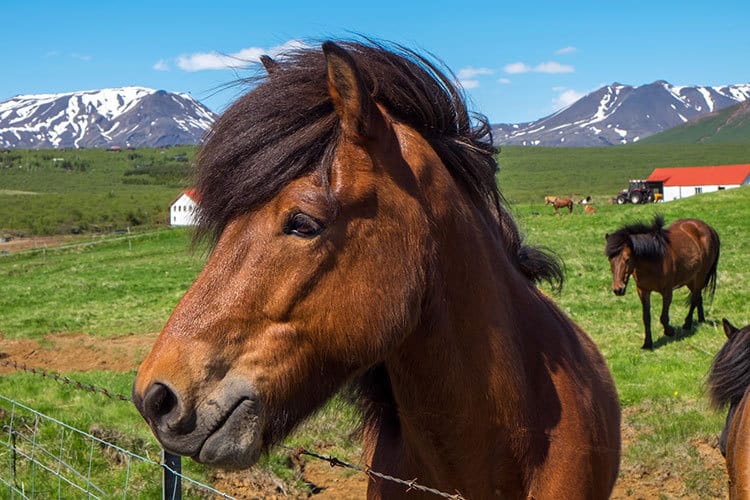
A specific strain of S. zooepidemicus was likely behind the horses’ coughing and nasal discharge.

Owners now have the option of purchasing insurance policies to cover some of companion horses’ medical expenses.

One of the yearling Quarter Horse fillies died and the other was euthanized.

The affected horses resided in Jackson, Livingston, and Missaukee counties. All three were euthanized.

Changes in force distribution, combined with saddle fit, have a big impact on equine back health, for better or worse.
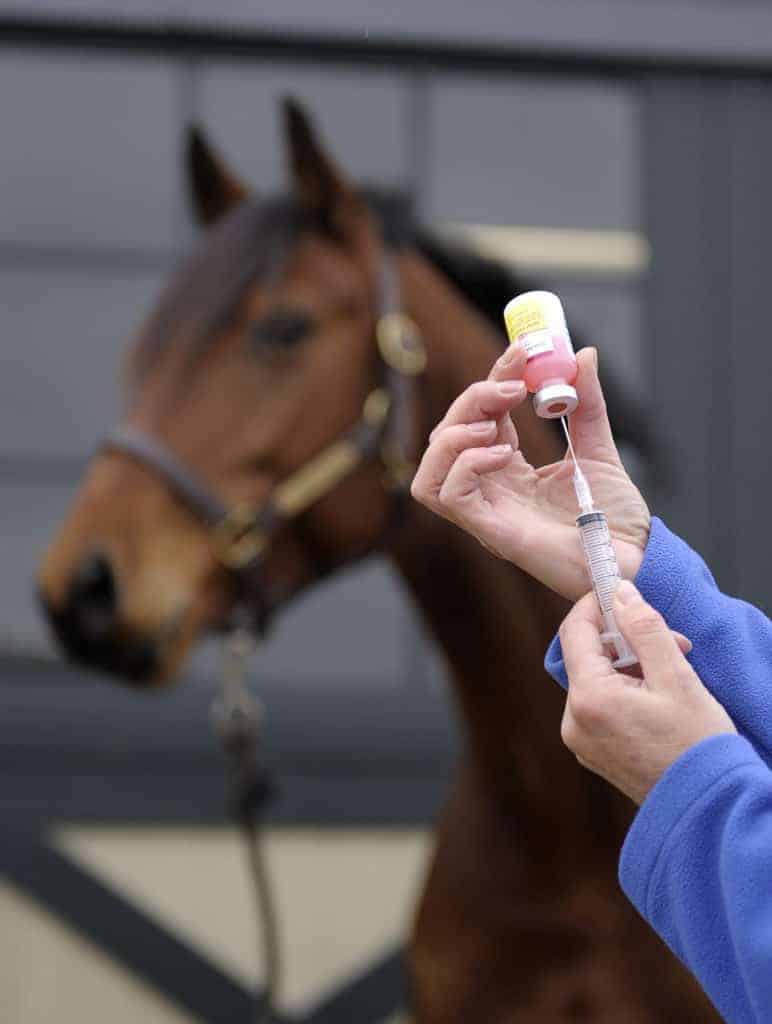
The AAEP recognizes the WNV vaccine as a core vaccine and recommends horses receive at least one dose annually.

The automatic test’s short run time enables a high throughput with minimal labor requirements, researchers say.
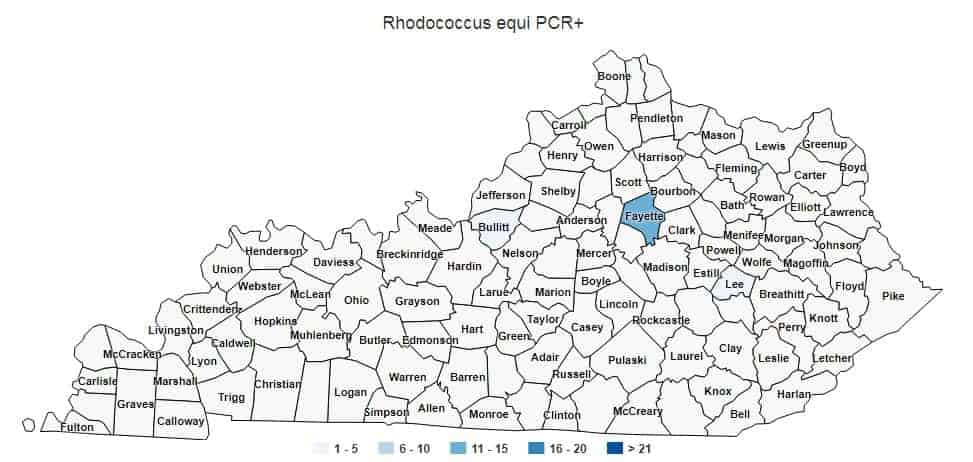
Rhodococcus equi is the most serious cause of bacterial pneumonia in foals 4 to 6 months old.

The AAEP recognizes the WNV vaccine as a core vaccine and recommends horses receive at least one dose annually.

Veronica Bill is studying the relationship between forage chemical composition and equine digestion and nutrition.