UK to Host Second Equine Nutrition Short Course
Presentation topics include feeding through a horse’s life cycle, evaluating body condition, nutrition myths, and more.

Presentation topics include feeding through a horse’s life cycle, evaluating body condition, nutrition myths, and more.
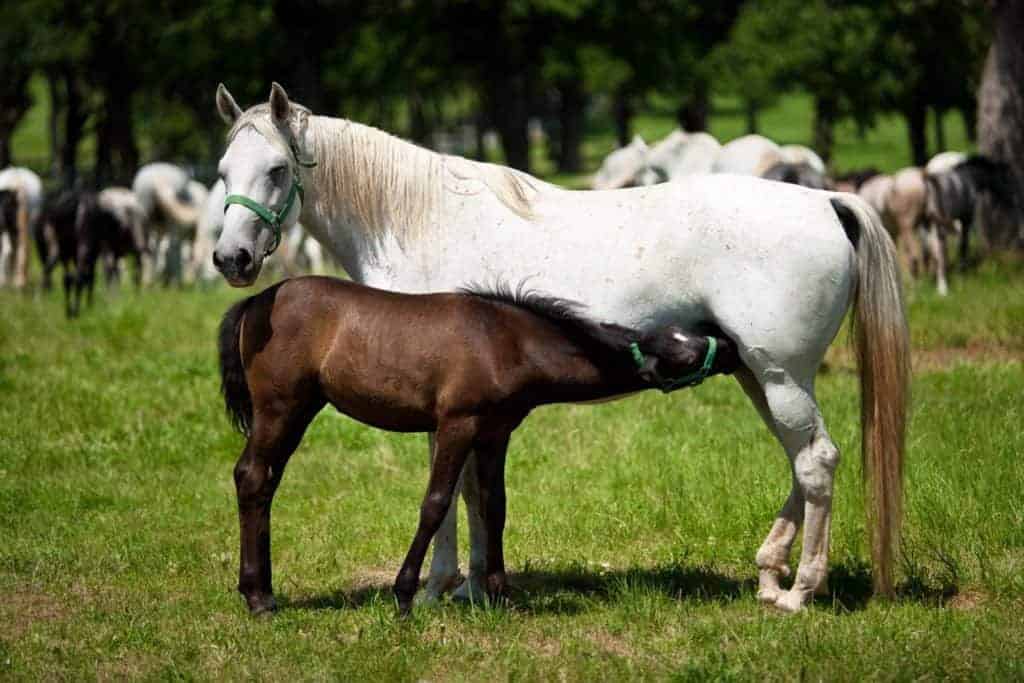
Dr. Laurie Lawrence shares results of studies on mare milk composition and foals’ GI microbial colonization.
Authorities are hoping the public can help identify who shot two horses in the Punkin Center community of Morgan County.
The three-minute thesis (3-MT) competition teaches students to communicate about their research in a concise manner.

Scientists are highlighting early 20th century studies and Japanese researchers who were well ahead of their time.

L. intracellularis can cause segments of small intestines and sometimes large intestines to thicken.

Dr. Shavahn Loux is studying mares’ microRNA population during normal gestation and experimentally induced placentitis.

Fat is an energy powerhouse that is a horse’s most abundant energy source.
The meeting and National Issues Forum will take place June 11-14 in Washington, D.C.

Findings suggest blood serum SAA levels could be an earlier indicator of joint infection than synovial fluid SAA levels.

In one study, bacteria in 91.5% of the foals were susceptible to this antimicrobial combination.
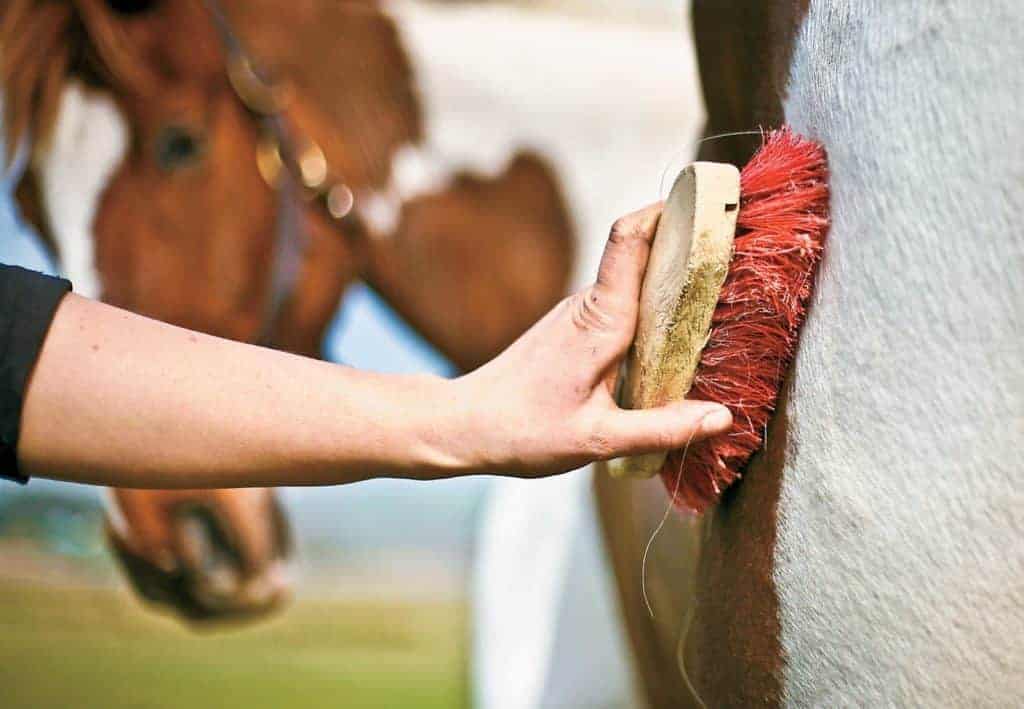
Of the 1,106 respondents, 866 (78%) said they curry or groom their horses to help them shed their winter hair coats.
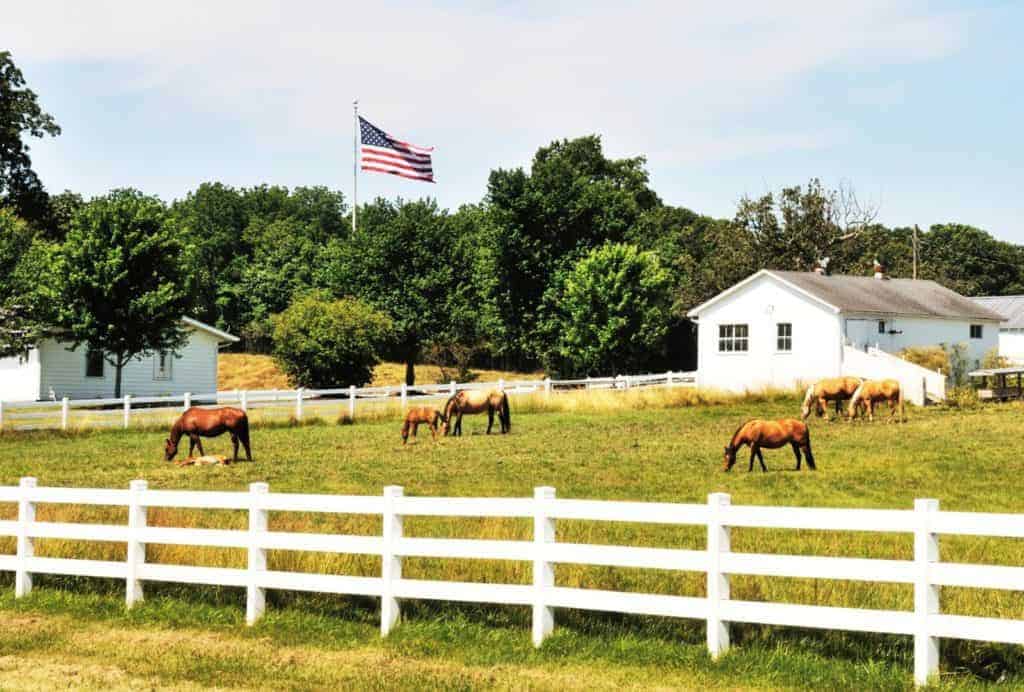
The American Horse Council will begin collecting data on April 1.

British horse owners and keepers are urged to take part in the National Equine Health Survey from May 22-29.

Feeding the correct type of calories wisely can help promote weight gain and improved body condition.
The groups expressed “alarm over continued disproportionate equine deaths, equine doping, and catastrophic injuries.”