All Horse, Human Drug Tests From Rio Olympics Clean
A total of 60 equine samples–30% of the 200 competing horses–were tested during the Games.

A total of 60 equine samples–30% of the 200 competing horses–were tested during the Games.

Too much dietary selenium can cause toxicity or even death. But too little selenium can be life-threatening, as well.

The program staff have performed 160 pasture evaluations, representing more than 30,000 acres, in 20 Kentucky counties.

Red clover provides excellent forage quality when grazed or harvested before the flower blooms.
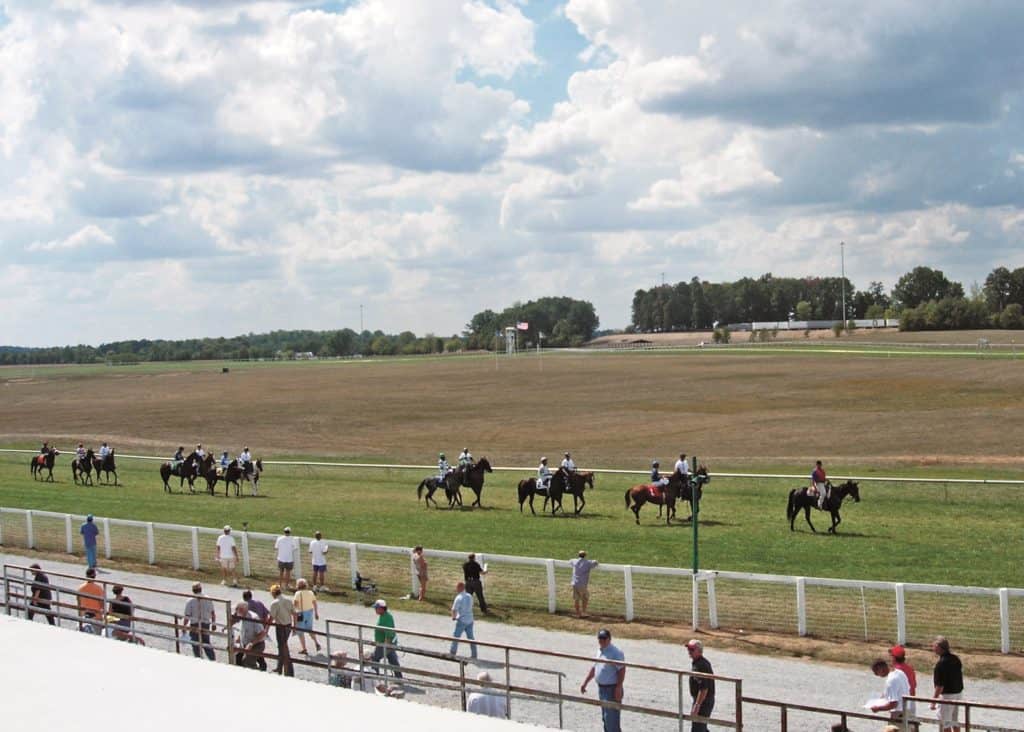
The third annual Grayson-Jockey Club Research Foundation Day is scheduled for Saturday, Sept. 3.

Researchers are studying underlying genetic factors that lead some horses to develop heaves while others don’t.

Cui’s research focused on understanding more about the pricing of Thoroughbreds at public sales.

The standing procedure involves temporarily inserting tubing from the horse’s tear duct into the sinus cavity.

Is your horse sun-sensitive? Submit his story and photo for a chance to win a prize pack!

Researchers hope to reduce the risk of racehorse fatalities on the track.

Late summer is peak transmission season for West Nile, and equine case numbers are rising in many regions.

There are other reasons for freezing a stallion’s semen besides export or transport.
The Modoc National Forest office will conduct a wild horse gather from private and tribal lands between Sept. 6 and 16.

Dr. Craig Carter received the AVMA International Veterinary Congress Prize for his work in veterinary public health.
The public meeting is part of the commission’s efforts to drive attention and resources to racehorse retirement.

Hot topics include digestion, metabolism, soft tissue injuries, and inflamm-aging.