How Weather Affects Equine Disease
Changing weather patterns can increase your horse’s risk for contracting infectious diseases.

Changing weather patterns can increase your horse’s risk for contracting infectious diseases.

Learn about devices designed to measure equine athletes’ cardiac function and maximize performance.

Learn about 4 cutting-edge treatments for equine eye issues ranging from corneal ulcers to cancer.

Keep your horse sound and moving safely this winter with these smart hoof care practices.

One equine nutritionist offers tips and asks for your input on dealing with ice in horse watering tanks.

Are you thinking about breeding an older mare? There are steps—some simple, some cutting-edge—breeders can take to obtain foals from mares with waning fertility.
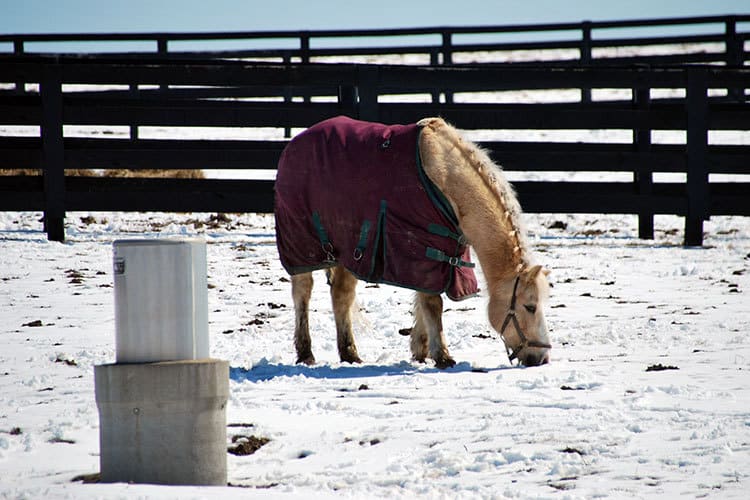
Appropriate hydration is vital to your horse’s normal bodily functions. Here’s what you can do to ensure he is drinking enough this winter.

A brief physical exam allows you to collect important information to relay to your veterinarian before he or she can reach the farm.

Horses are very adaptable and typically can handle significant temperature changes; however, when we alter their natural condition, they might struggle.

Equine practitioners are using recent research in their day-to-day practice to diagnose PPID, EMS, and ID.

Leading researchers from around the world share their findings on this common joint disease of young horses.

New methods might help veterinarians diagnose and treat the painful equine hoof disease laminitis more efficiently.

Here’s how equine veterinarians can use these nerve blocks to guide their diagnostic imaging plan.

Predators such as bears, cougars, wolves, and coyotes can pose threats to horses and other farm animals. Learn how to protect your animals and prevent attacks on your farm.

Blood insulin levels can warn of increased risk of laminitis in obese horses and ponies and spur owners to mitigate it.

An equine surgeon describes equine orthobiologics currently available for joint and other injuries and how veterinarians might use these products in the future.