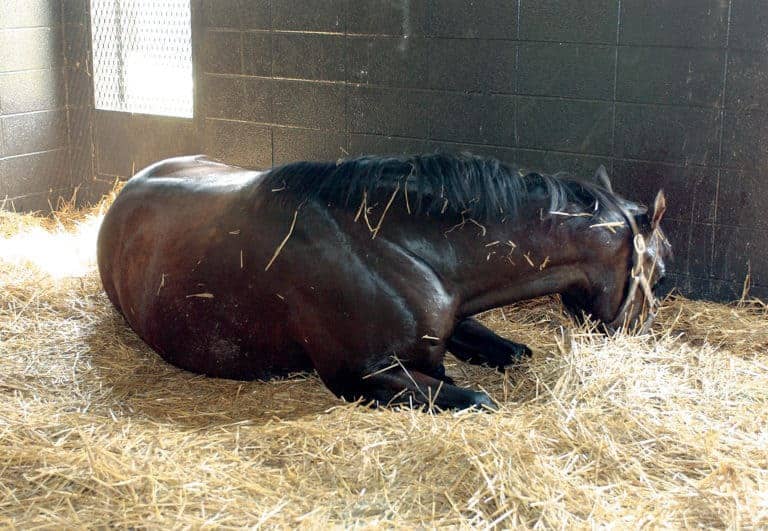
Montgomery County, Maryland, Horse Tests Positive for EHV-1
A horse tested positive for neurologic equine herpesvirus-1 (EHV-1) and is being treated by a private veterinarian.

A horse tested positive for neurologic equine herpesvirus-1 (EHV-1) and is being treated by a private veterinarian.

Don’t rely on hearsay when it comes to caring for your horses’ hooves.
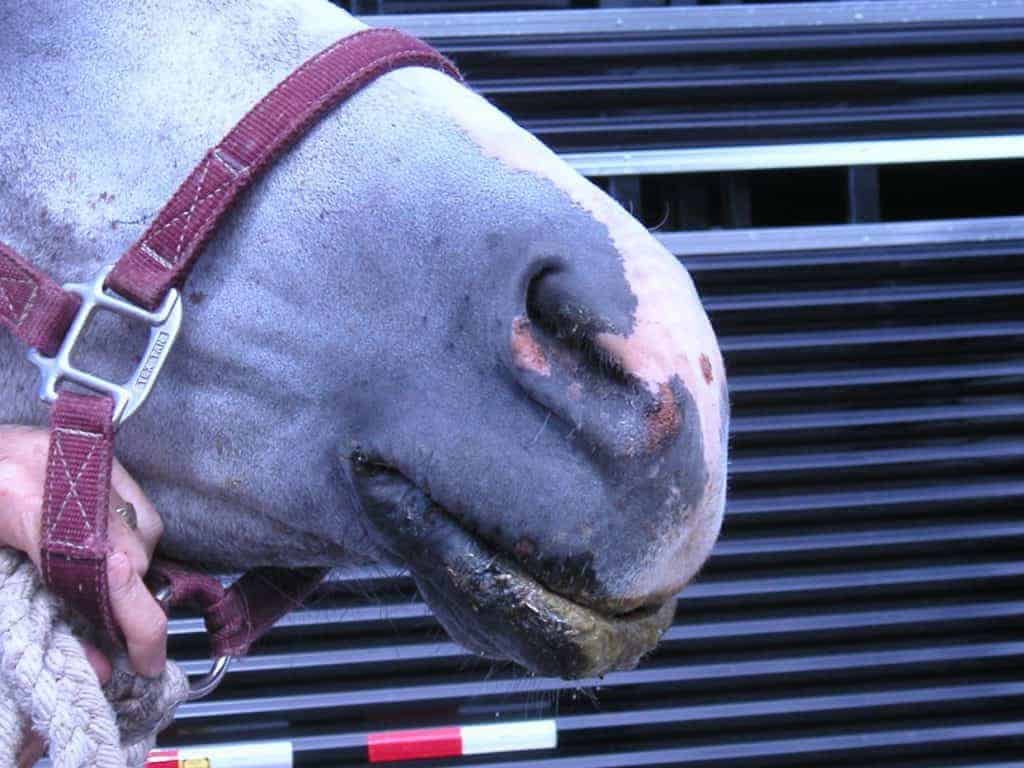
The Canadian Food Inspection Agency has lifted all vesicular stomatitis (VS) import restrictions for U.S. horses.
June Sewing, Jennifer Sall, and Julie M. Weikel, DVM, will each serve a three-year term on the advisory board.

Many owners have implemented water conservation practices at their facilities. Here’s how they’re faring.

Researchers found that horses’ blood differs from humans and dogs when they used thromboelastometry to assess clotting.
The group approved a uniform testing threshold of 110 parts per billion in blood for the amino acid GABA.

Researchers examined the loading rates on a hoof of a galloping horse wearing different aluminum racing shoes.

The large-scale VS outbreak in 2014 caused extended quarantines and transportation headaches for horse owners.

Of the 664 respondents, 387 (58%) said they keep hard copies of their horses’ records in a folder.

Horses require two doses of the West Nile vaccine initially, and then boosters at least annually.
More than 400 stables and professionals have signed up for the Time to Ride Challenge since registration opened March 1.
A Louisiana man has been arrested for allegedly starving and shooting a pair of horses and maltreating two others.

Using proper diagnostic technique and good quality radiographs is critical when diagnosing these fractures in foals.

Rood & Riddle is the official equine hospital of the Breeders’ Cup and title sponsor of the 2015 post-position draw.

Get the scoop on what went in to transporting 40 horses from Europe to Las Vegas for the upcoming FEI World Cup Finals.