Tips for a Successful Spring Turnout
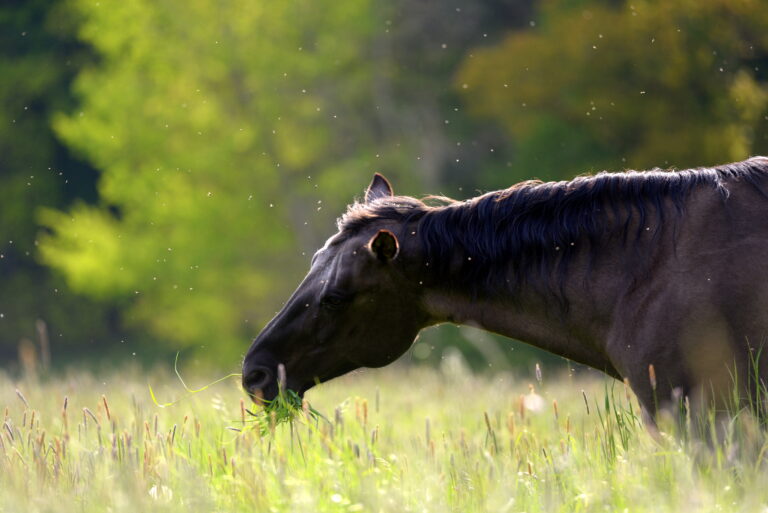
Here’s how to ensure your horse receives ample nutrition and stays healthy while grazing spring pasture.

Here’s how to ensure your horse receives ample nutrition and stays healthy while grazing spring pasture.

From fly masks and nose nets to antihistamines and supplements, find out which headshaking treatments worked best.

Long-distance travel has potential complications for horses including colic, injury, and shipping fever.

Design vaccination protocols to maximize each horse’s innate and adaptive responses to disease challenges.
Early recognition of emerging and re-emerging diseases is of paramount importance if their impact is to be minimized.
Dr. Kathleen MacMillan will speak on equine welfare April 14 at 7 p.m. at the Atlantic Veterinary College.

Improved diagnostic testing for Lyme disease is leading to more successful treatments. Here’s what you should know.

Renal (kidney) disease and acute kidney injury with other disease processes can increase morbidity and mortality.
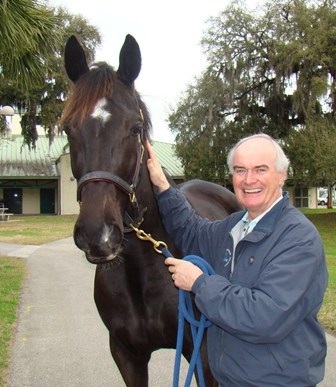
Dr. David Freeman’s research interests include treatment of diseases that cause colic in horses.
Three-day eventer Laine Ashker will speak at the event taking place April 24 at West Wind Farm in Lexington, Kentucky.
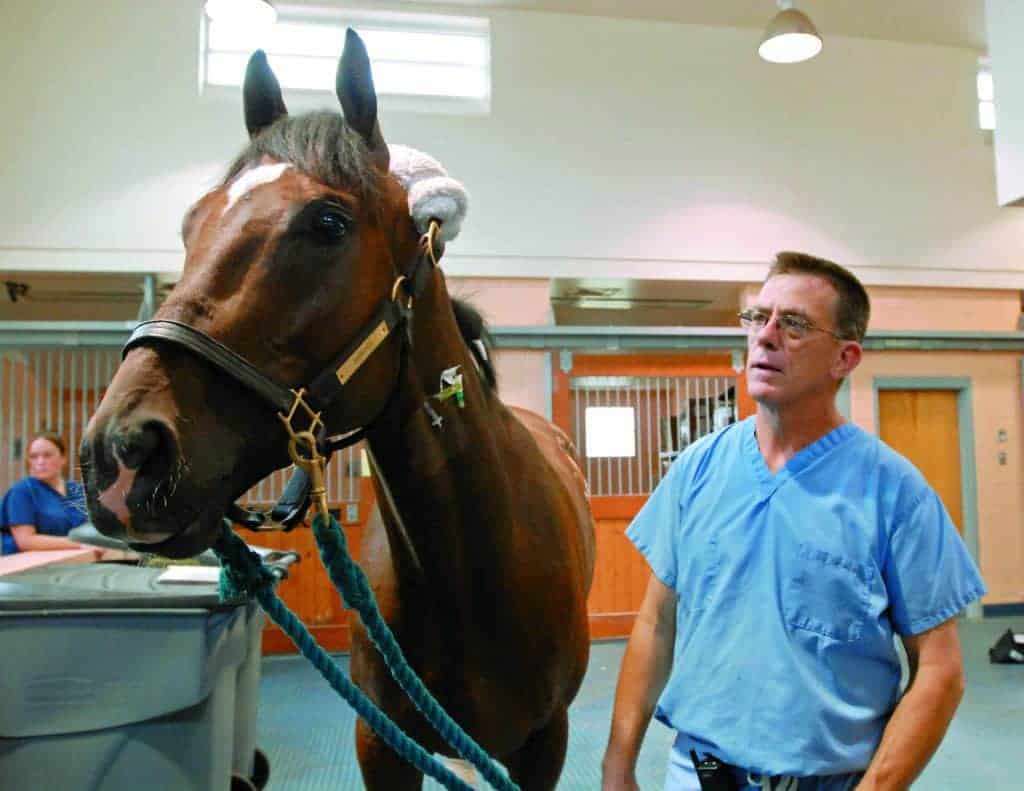
Dr. Dean Richardson will present examples of current state-of-the-art equine fracture treatments.
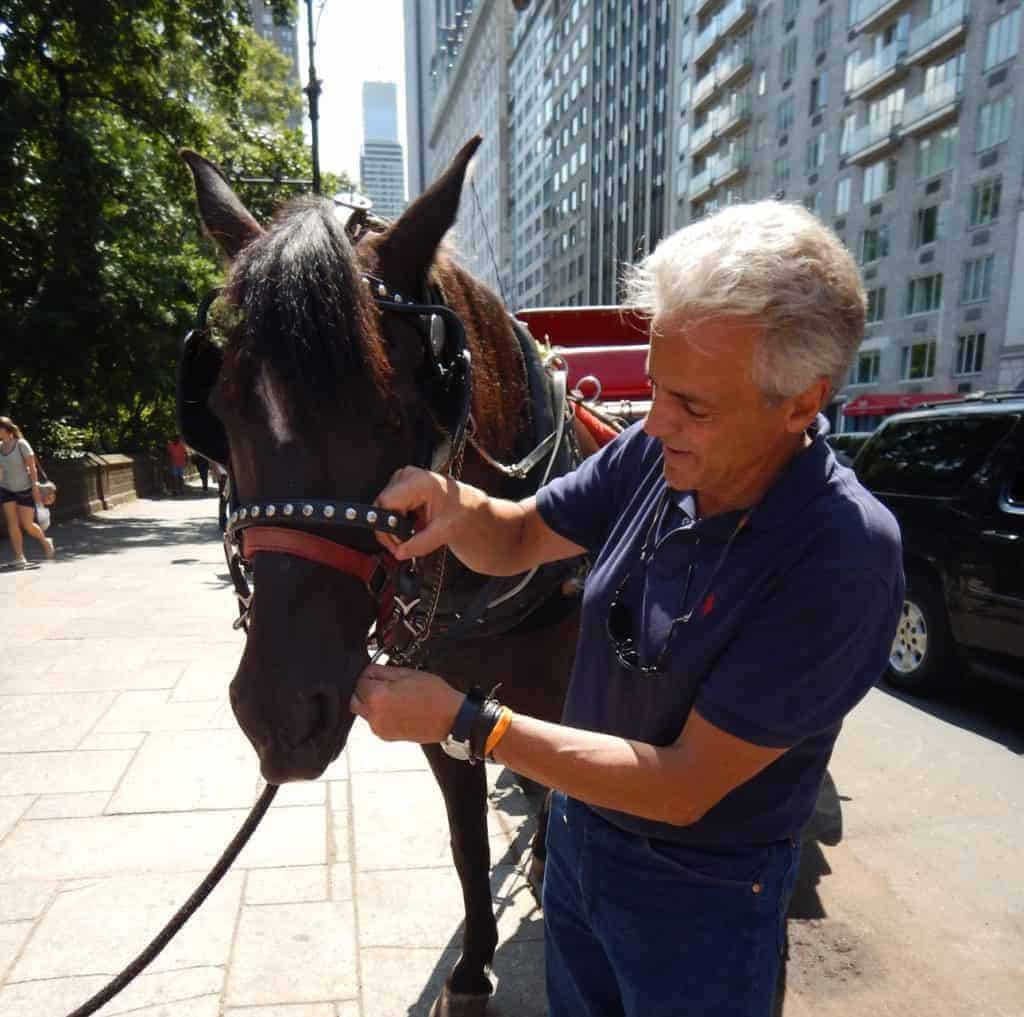
Researchers from Western University of Health Sciences found no evidence of stress in New York City carriage horses.
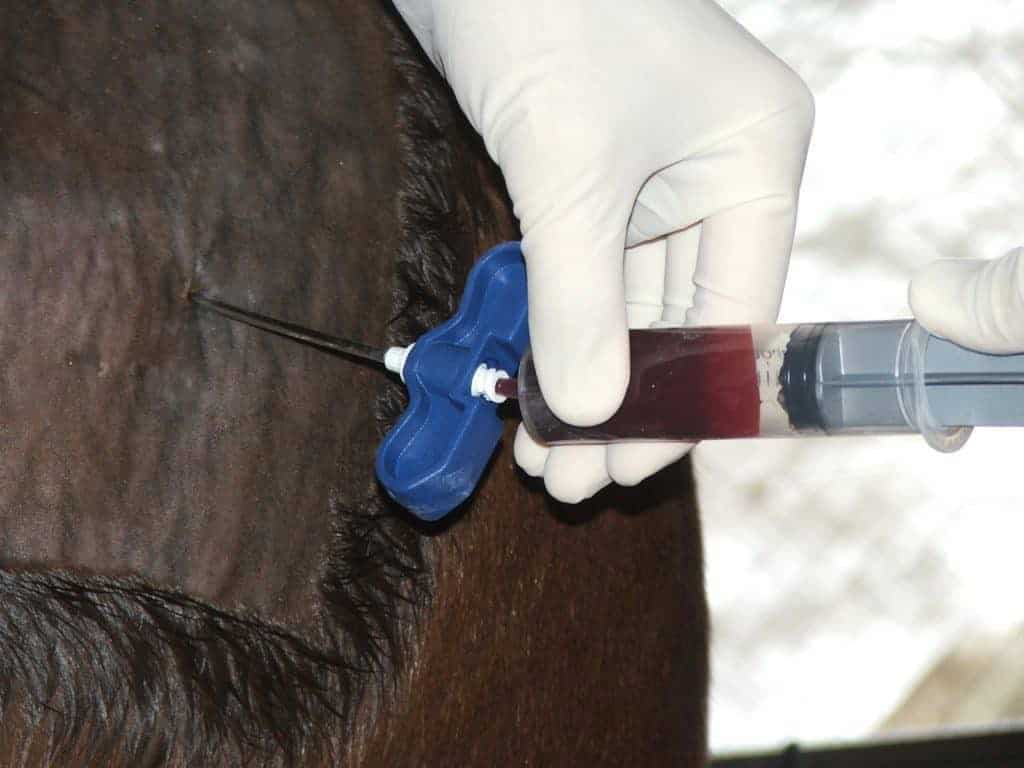
Learn how one veterinarian chooses cases and uses mesenchymal stem cells (MSCs) to treat horses with joint injuries.
Diseases diagnosed include herpesvirus, tetanus, strangles, piroplasmosis, West Nile virus, and more.

Horses have been one of the signature sectors of Kentucky’s agricultural economy for many years.

Researchers recently took a closer look at how horses use their faces and ears to communicate with herdmates.