Zoetis Provides $1.3 Million to AAEP, FFA, AABP Programs
The company’s Industry Support Program has donated more than $7.3 million since 2008.

The company’s Industry Support Program has donated more than $7.3 million since 2008.

Managing and monitoring pastures properly can result in the safe production of quality hay or bedding for all classes of livestock.
The allegedly maltreated herd–including a high-profile cutting horse–were found living among several dead horses.

Ohio officials have reported that four horses from Ashtabula and Trumbull counties have died after contracting Eastern equine encephalitis (EEE).

As prevalent as EIPH is, we still don’t fully understand this potentially performance-limiting condition; here’s what scientists are trying to find out.

The symposium will take place on Monday, Oct. 20 from 1:30-5 p.m., and will offer an in-depth look at current efforts to reduce injuries in racehorses.
The FBI has announced that its Uniform Crimes Report will add animal cruelty statistics to its National Incident Based Reporting System.

Of the 1,045 respondents, 227 (22%) said they spend $21-$40 per month on supplements per horse.
Ruidoso Downs Race Track is implementing a new program that chairman R.D. Hubbard said is part “our on-going effort to ensure the integrity and safety of the sport and its participants.”

Researchers have learned that a low dose of a certain omeprazole preparation was as effective in treating some ulcers as the standard dose.

Michigan animal health officials have confirmed three equine cases of Eastern equine encephalitis (EEE): one in a horse from Oakland County and two in horses from Lenawee County.
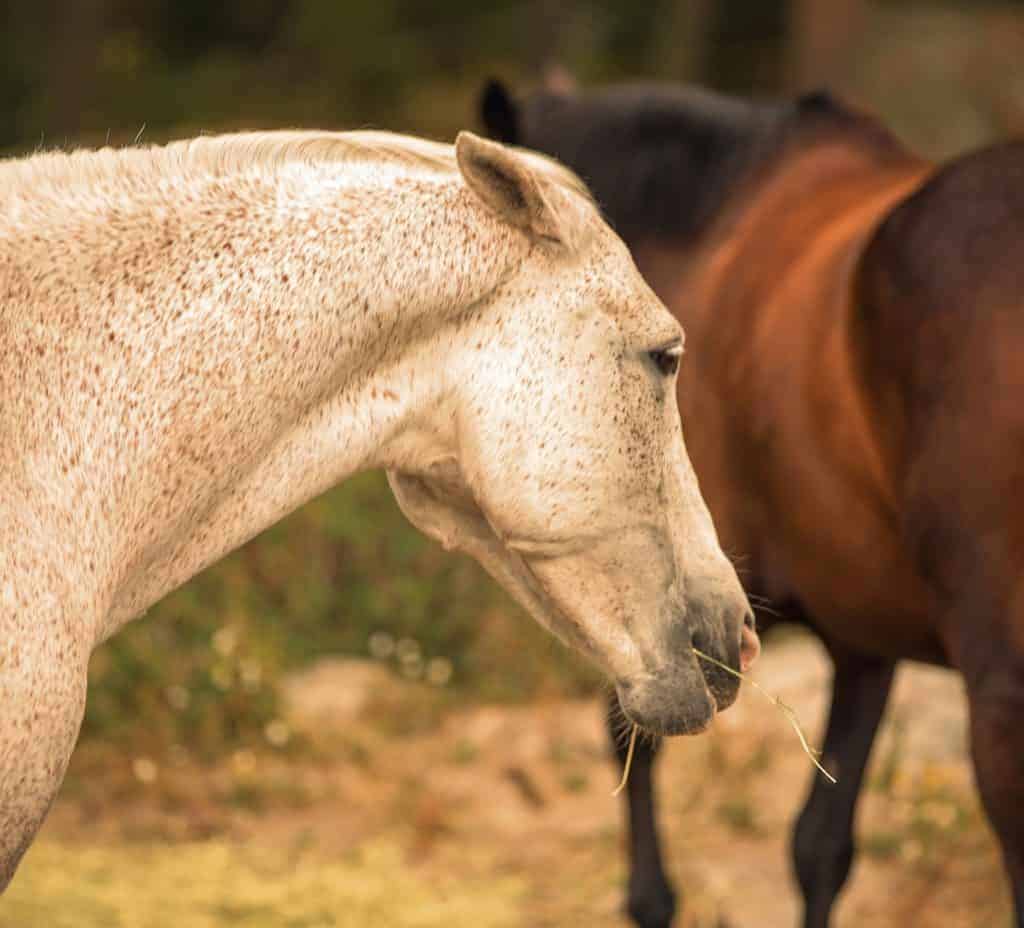
Find out why a mare might be guarding her caretakers during feeding.

Utah animal health officials have announced that tests have confirmed three cases of West Nile virus (WNV) in horses in Box Elder, Uintah, and Iron counties.
Raymond Geor, BVSc, PhD, Dipl. ACVIM, will take his new post at Massey University in March 2015.

Researchers are testing a vaccine to treat melanomas, which are among the most common skin tumors in horses.
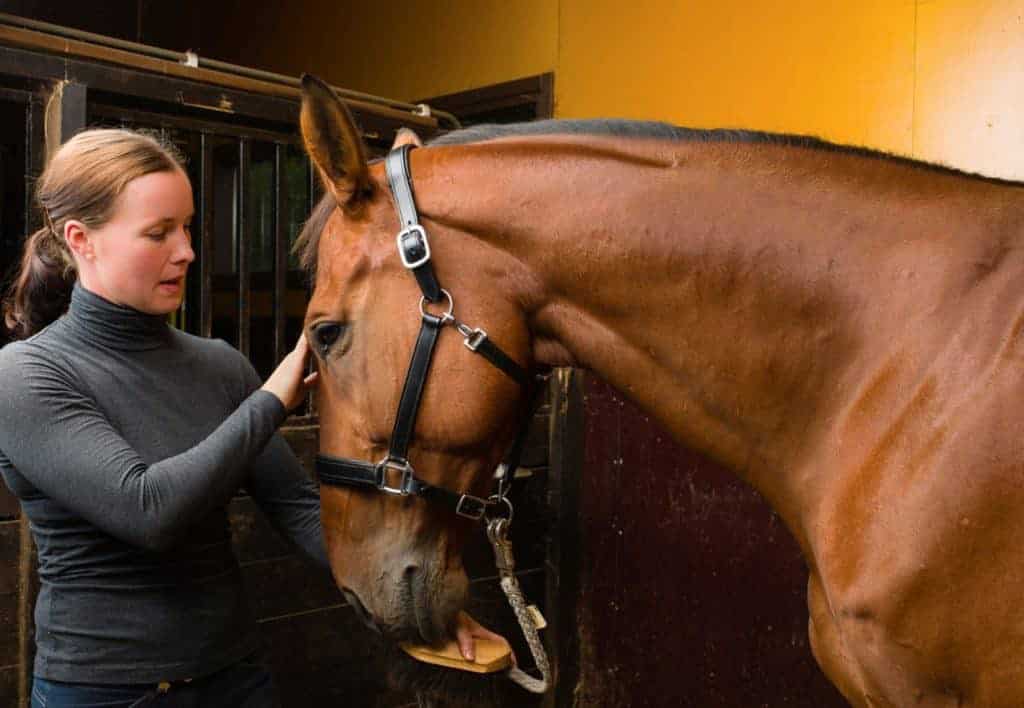
The aim of equitation science is the scientific measurement, evaluation and interpretation of human-horse interactions that provide evidence that can improve the training, performance, and welfare of the ridden horse.