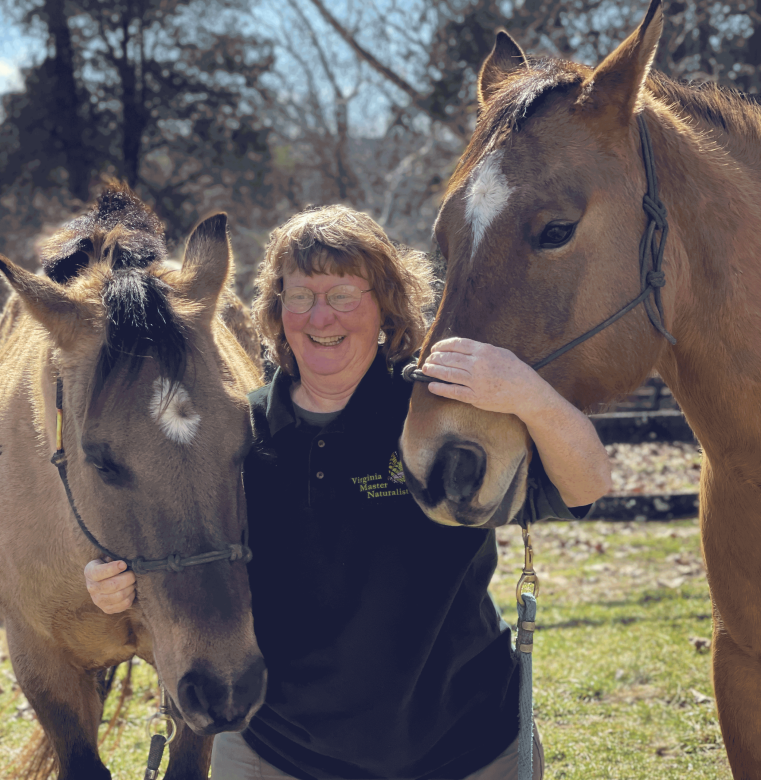
Remembering Equine Lessons Learned from Moms
Here are some things The Horse staff, our Facebook and Twitter fans, and our readers learned from the horsewomen in their lives.

Here are some things The Horse staff, our Facebook and Twitter fans, and our readers learned from the horsewomen in their lives.

It’s the beginning of mosquito season in North Carolina, which means it’s also time for horse owners to talk to their veterinarians about vaccinating animals against mosquito-borne diseases.

This marks the first time horses in Iceland, where equine importation is strictly prohibited, have tested positive for borna disease virus antibodies.

Eastern tent caterpillars in Central Kentucky are mature, have dispersed from trees, and are on the move, leading experts to advise horse farm managers to move pregnant mares, if practical, to avoid contact with the crawling caterpillars.

Researchers are evaluating whether horses can choose to eat a specific nutrient-rich feed if their diet is deficient in that substance.

West Virginia Commissioner of Agriculture Walt Helmick is warning horse owners in that state to control mosquito populations around the barn to minimize their animals’ chances of contracting West Nile virus.
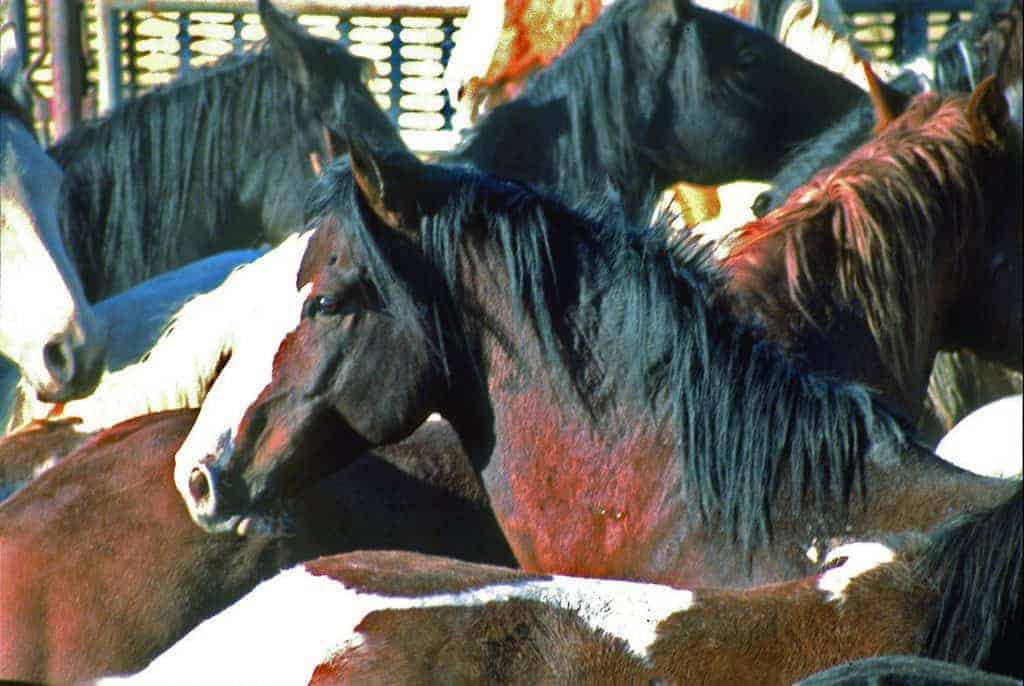
The agency says it is extending the deadline “to ensure that it receives the best ideas for effective contraceptive techniques.”

Eight Thoroughbreds died in an early morning fire in a barn located across from the rear entrance to the Keeneland stable area.
The New South Wales Department of Primary Industries is encouraging owners to see their veterinarians and work out a hendra virus vaccination strategy for their horses.

Disease-harboring mosquitoes and flies top most horse owners’ list of bugs to beware of, but don’t forget these other horse and barn-harming pests.

One equine practitioner shares tips on how veterinary practices and horse farms can “go green.”
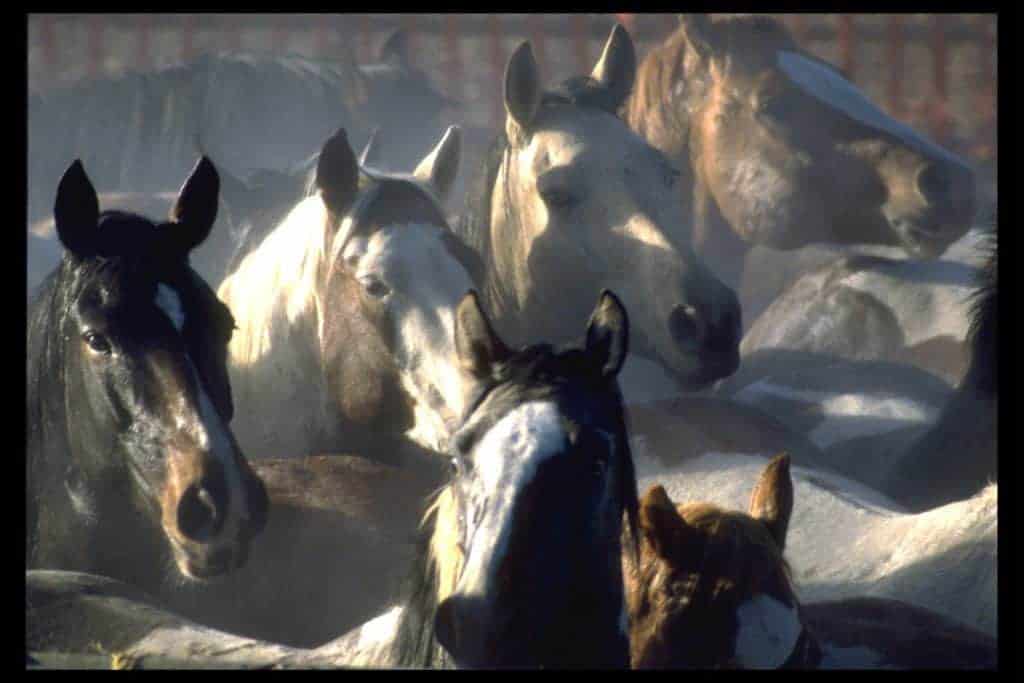
The Bureau of Land Management (BLM) is soliciting bids for new short-term holding facilities in 17 Western and Midwestern states for wild horses and burros removed from overpopulated herds roaming Western public rangelands.
A group of Utah ranchers has accused the Bureau of Land Management (BLM) of violating the Wild Free-Roaming Horse and Burro Act of 1971 by failing to remove excess wild horses residing on grazing lands used by the ranchers.

If your horse doesn’t have tying mastered, you can help him learn with a few smart schooling strategies.

A heard of 30 horses is receiving rehabilitative care after being removed from a property in Morgan County, Missouri.

Dr. Andrew Smith’s research interests include equine diagnostic imaging, orthopedic surgery, upper airway surgery, lameness, and podiatry.