The Scoop on Loose Poop: Equine Diarrhea
Diarrhea in adult horses can be life-threatening, so it is important for horse owners to know when to call their veterinarian and when to wait.

Diarrhea in adult horses can be life-threatening, so it is important for horse owners to know when to call their veterinarian and when to wait.
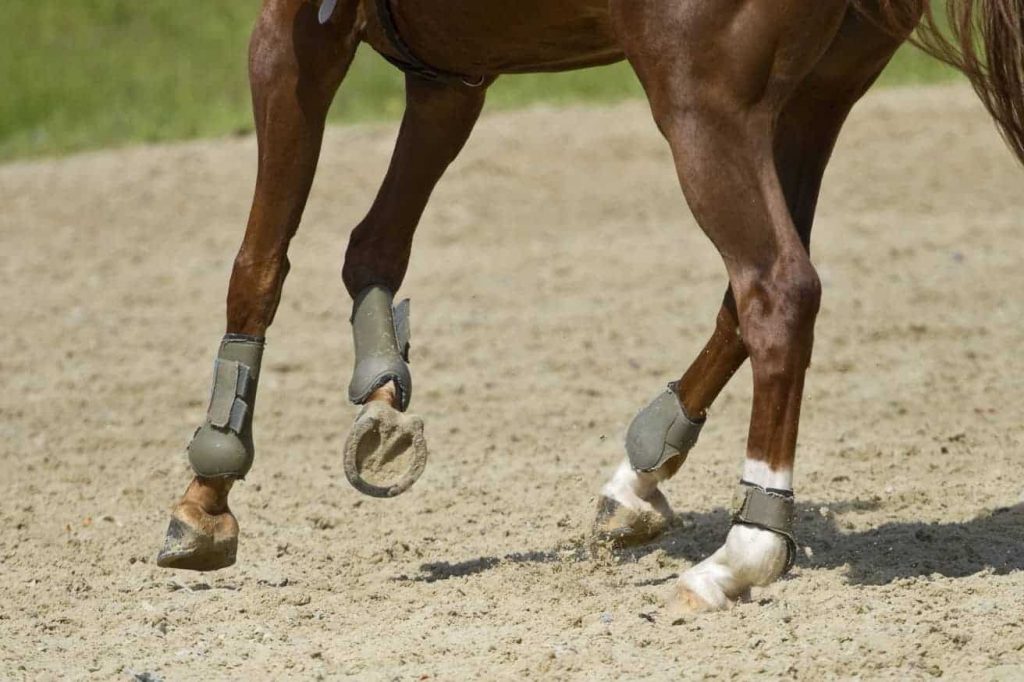
A higher-frequency transducer increased diagnostic accuracy for both suspensory ligament branches and distal sesamoidean ligaments.

Learn about equine veterinarian wellness, boundary-setting, and shifting vet-client relationship paradigms in this compilation of articles brought to you by Sentinel Horse Feeds.

The mule resides in Fresno County, where six other equids are exposed.
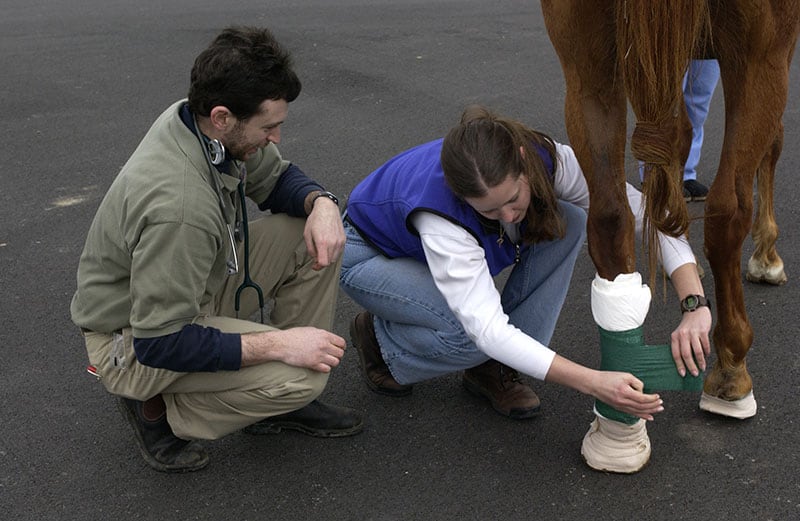
One veterinarian says team-based culture promotes practice efficiency and creativity and, ultimately, profitability.
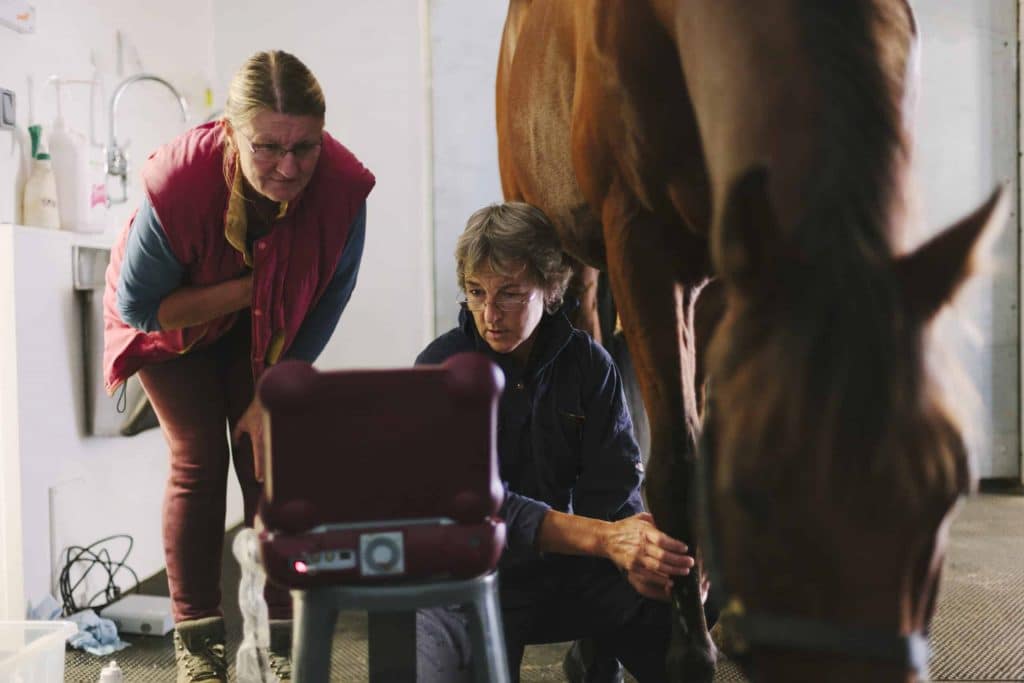
One veterinarian offers advice for building client relationships and dealing with difficult situations in equine practice.
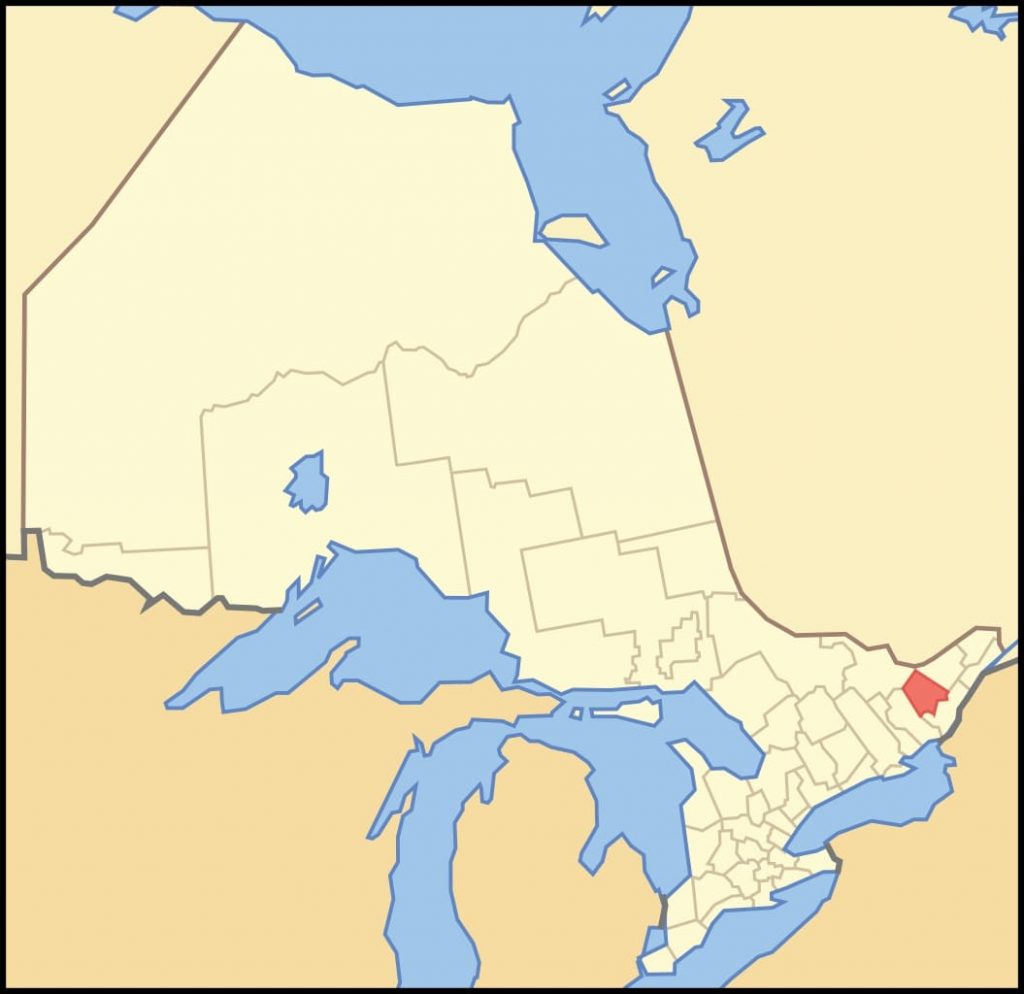
The mare resides at a boarding facility in Lanark County.

Equine pastern dermatitis is a potentially painful condition that can spread between horses if not treated properly.

Two polo horses in Riverside County are positive for EHM, and the 600 horses at the polo facility are under mandatory quarantine.
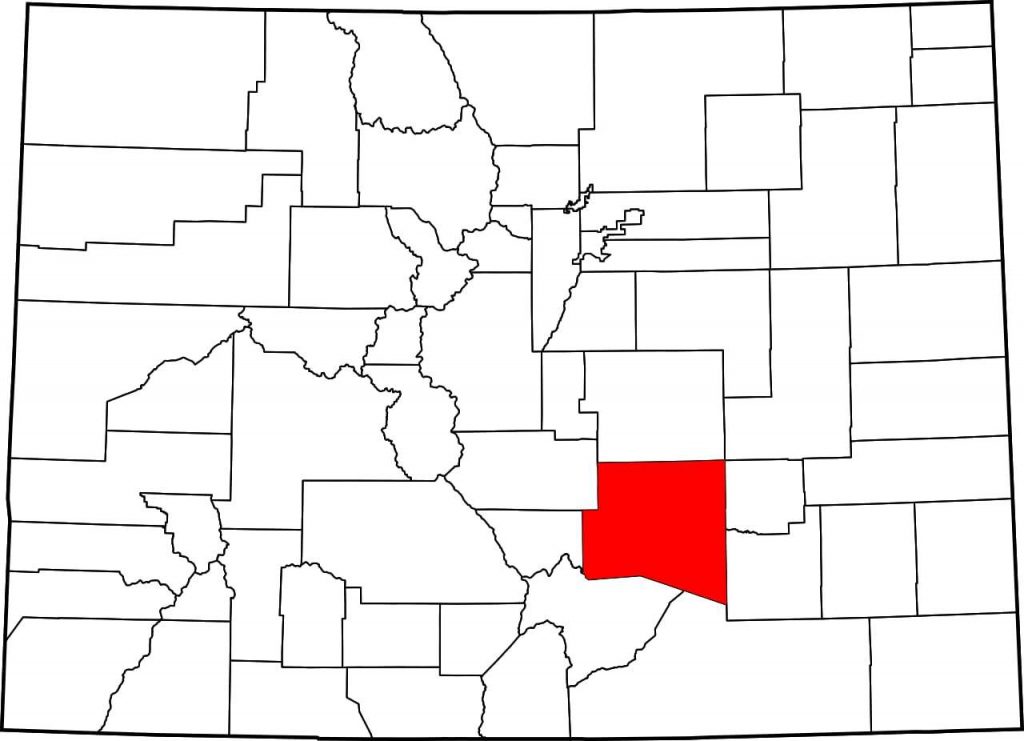
The horses reside in Pueblo County and are under official quarantine.
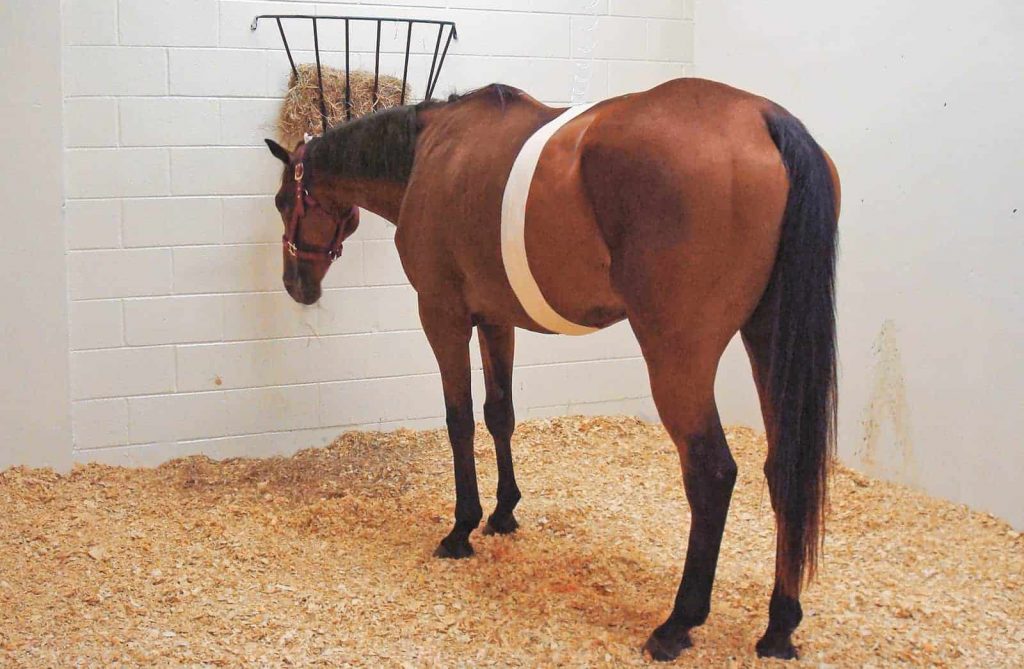
Find out how veterinarians prevent and treat this painful condition.

The mare resides at a boarding facility in Wellington County.
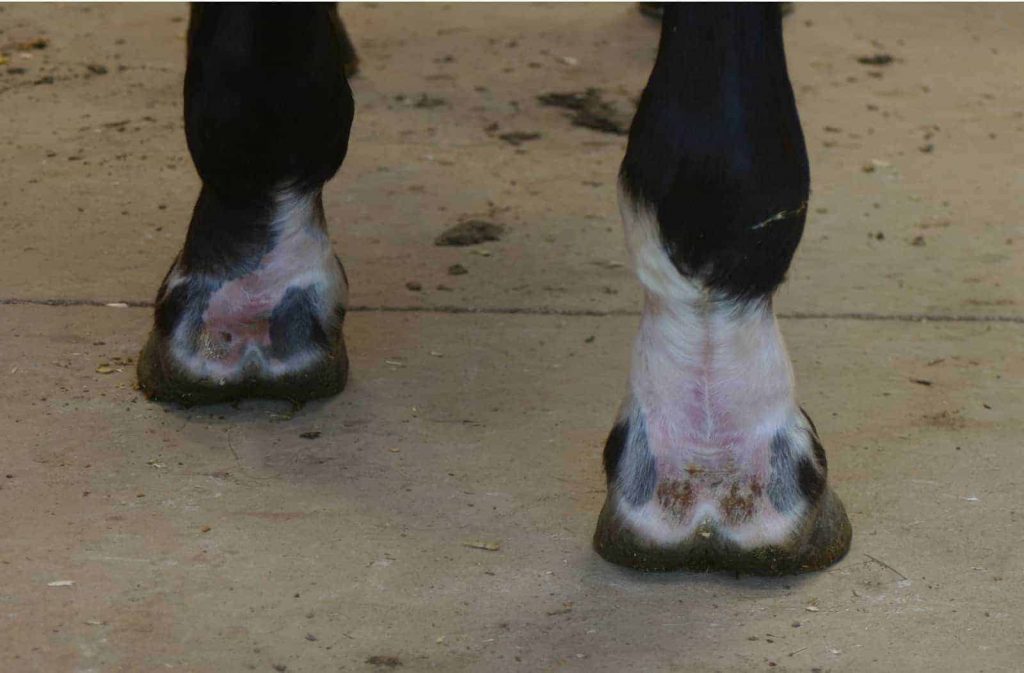
Look for educational information about scratches in horses on TheHorse.com.
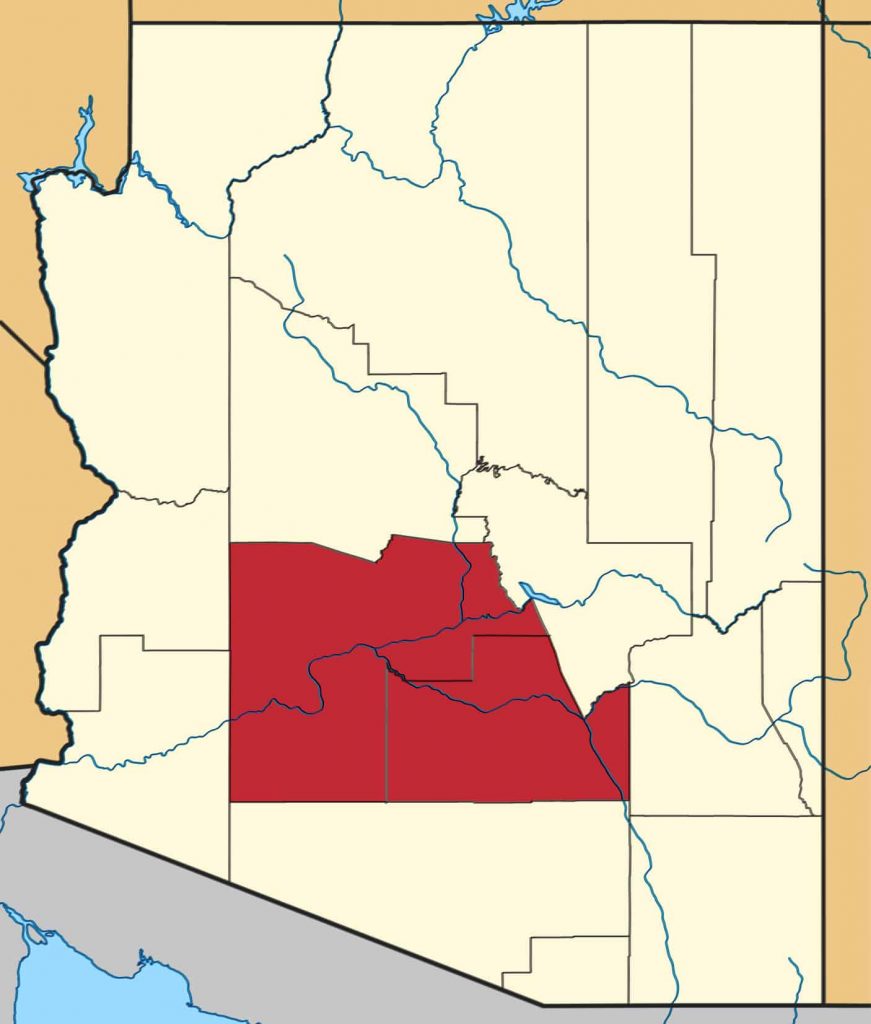
The horse had recently resided in both Maricopa and Pinal Counties, and 28 horses are now exposed.
The horse lived in Riverside County, where nine additional horses are exposed.

An Arabian cross gelding in Palm Beach County, Florida, tested positive for strangles and is currently affected and alive.