Effects of Behavior-Modifying Drug Investigated (AAEP 2011)
Fluphenazine, a human antipsychotic drug, has drawbacks that often preclude its use in horses.

Fluphenazine, a human antipsychotic drug, has drawbacks that often preclude its use in horses.
Horse owners benefit from an understanding what goes on in a horse’s brain, according to one veterinarian.
Attendees reviewed research and targeted areas for future research on horse, rider, and saddle interactions.

New research suggests rollkur is probably no more harmful than the “standard” dressage head position.
My horse sticks out his tongue when he plays with his buddies. Why does he do it?
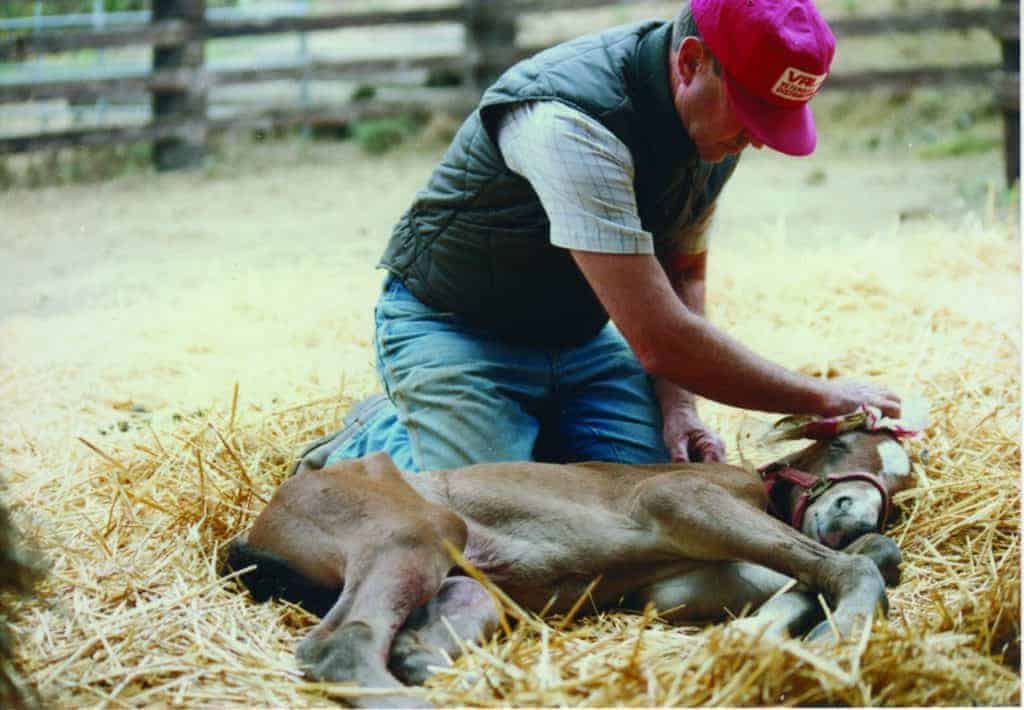
When it comes to equine education (training), horse owners face as many conflicting viewpoints as new parents.
Hand-feeding treats creates the nuisance of horses and ponies constantly nudging and nipping at people.
What is the correct age to breed a mare for the first time? I have strongly c
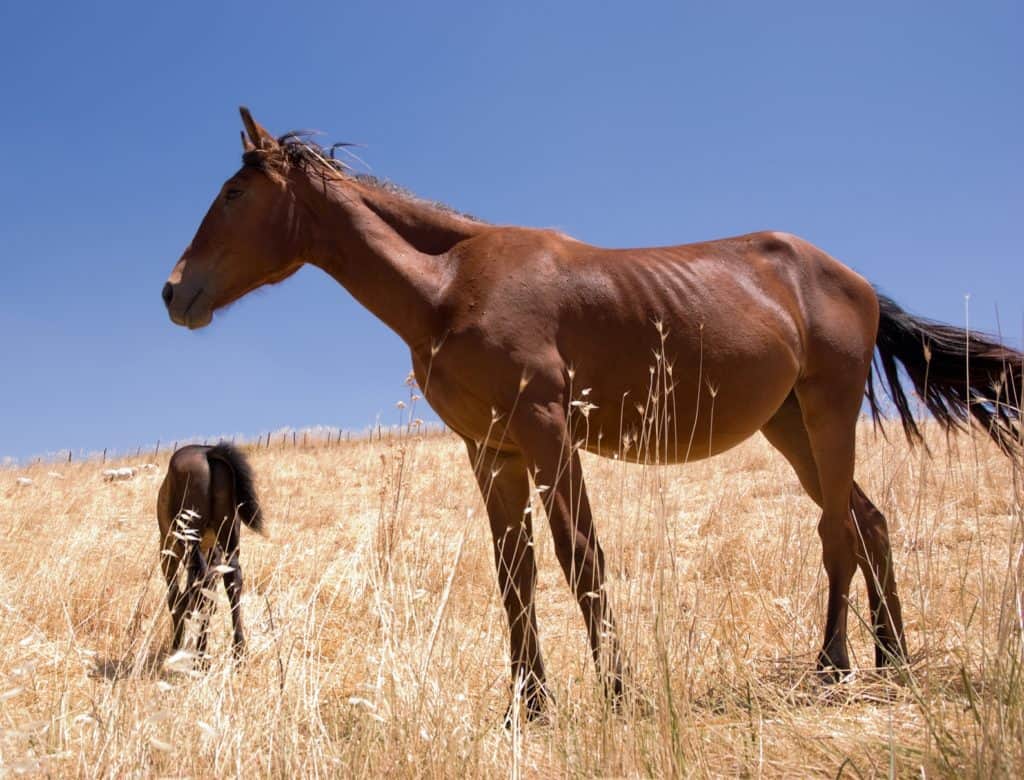
Most welfare problems–which arise if “freedoms” are denied–are directly due to human behavior problems.
Molly Sweeney has been chosen as the 2011 recipient of The EQUUS Foundation Humanitarian Award.
Equine Guelph is pleased to announce the first offering of the Equine Welfare online course.
Understanding how the horse sees the world is key to developing a practical handling approach.

The amount of tension needed on the reins to maintain contact with the bit varies with noseband tightness.
Regardless of the bit used, each horse’s performance remained constant in the two dressage tests.

The system includes animal-based measurements developed from criteria described in scientific literature.

Horses treated with pheromones were less stressed during cognitive sessions after travel than untreated ones.