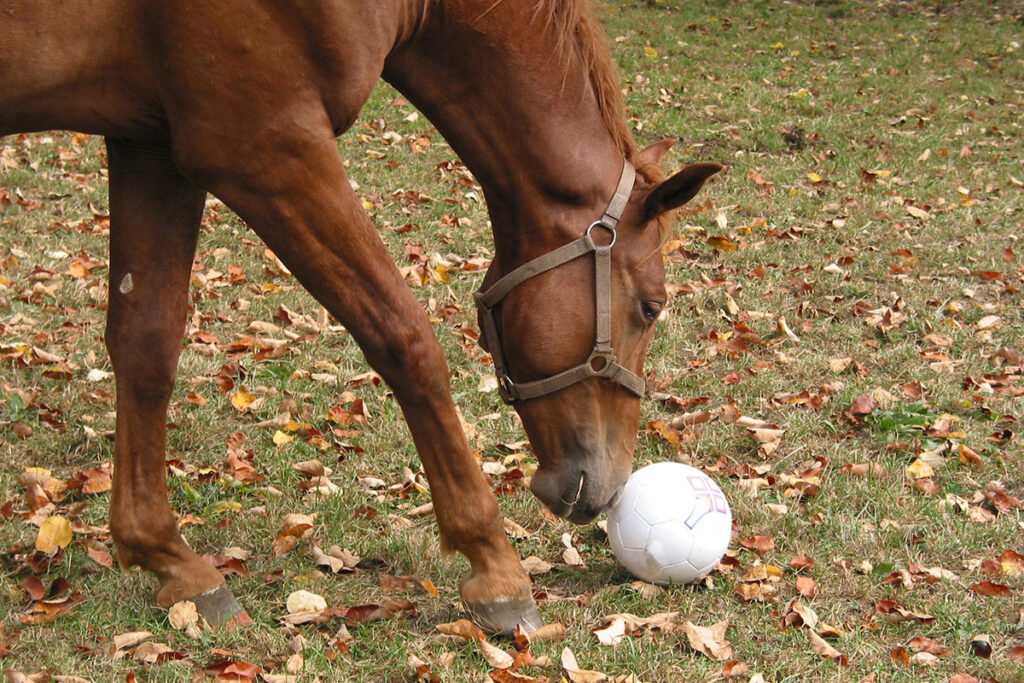
Reducing Stereotypic Behaviors in Horses
Learn the difference between boredom and stereotypic behaviors and what you can do to improve your horse’s environment and daily routines.

Learn the difference between boredom and stereotypic behaviors and what you can do to improve your horse’s environment and daily routines.

Learn about the subtle cues indicating horses like the work they do.

What is good-quality sleep, and how much do horses need? Researchers offer advice on helping horses get enough sleep.

Get advice on encouraging a hard-keeper to eat more. The first step? Rule out health problems.
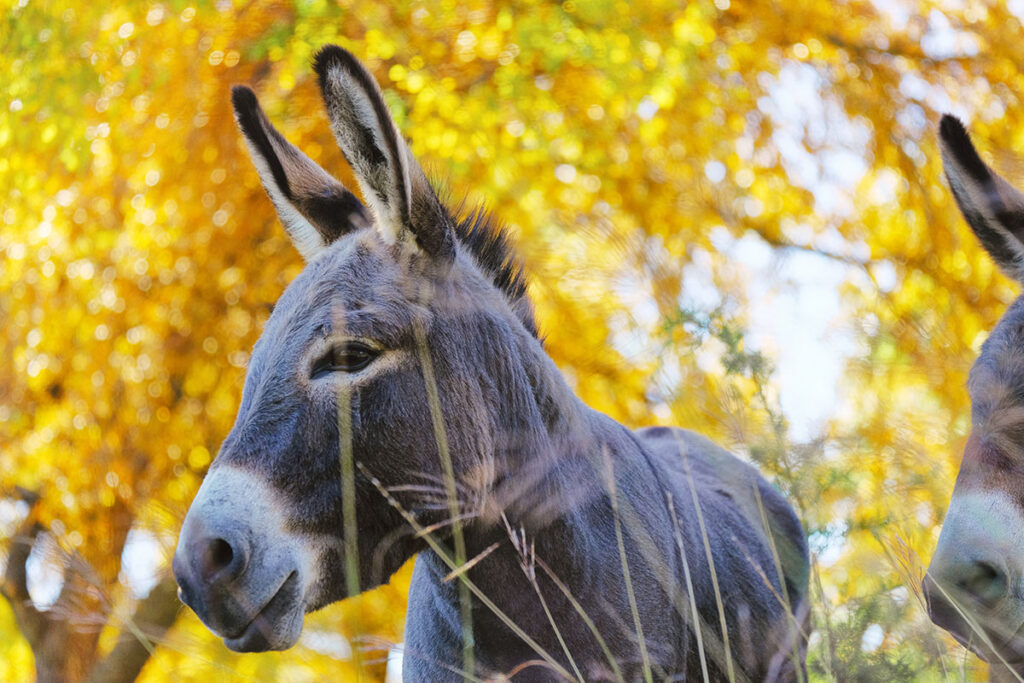
Read about the unique nutritional and management needs of these equids.
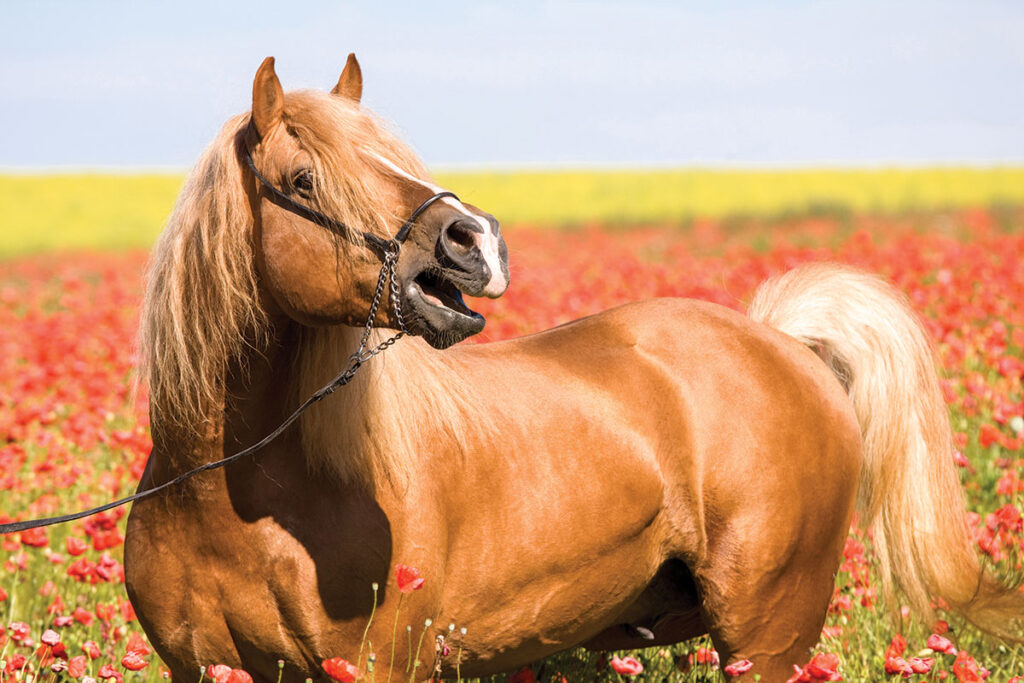
Changes in management and education can transform how horses experience short-term separation. Read more in the Summer 2026 issue of The Horse.
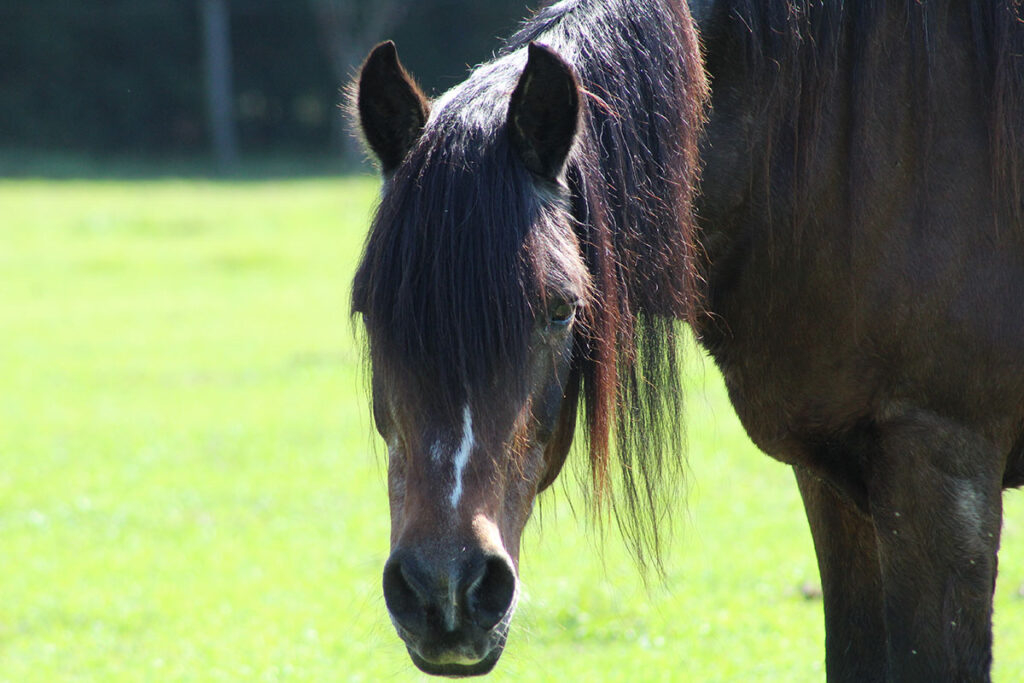
Pain in senior horses often develops gradually, so owners might mistake subtle changes for normal aging. Learn to recognize the signs before they become more serious.
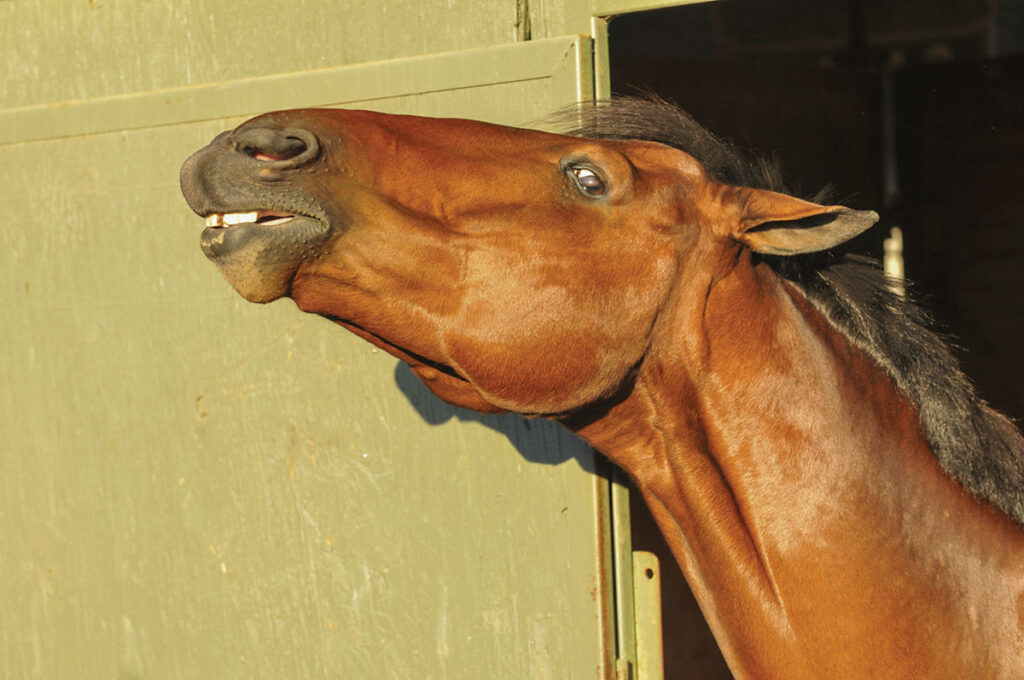
One unusual case shows how headshaking can have an infectious origin. Read more in The Horse’s Summer 2026 issue.

Some people believe scratching a tense horse will reinforce her fearful behavior. Read what an equine behavior expert says.

See how mares have become champions at the highest levels of dressage, show jumping, and 3-day eventing.

Learn why horses get kicked, how veterinarians treat kick injuries, and tips on preventing them.

A veterinarian offers tips on how you can prepare in advance to keep your horse calm despite the noise and sight of festive fireworks.

Does your horse devour his meals? Slowing your speedy eater at mealtime can help prevent issues such as choke and wasted feed.
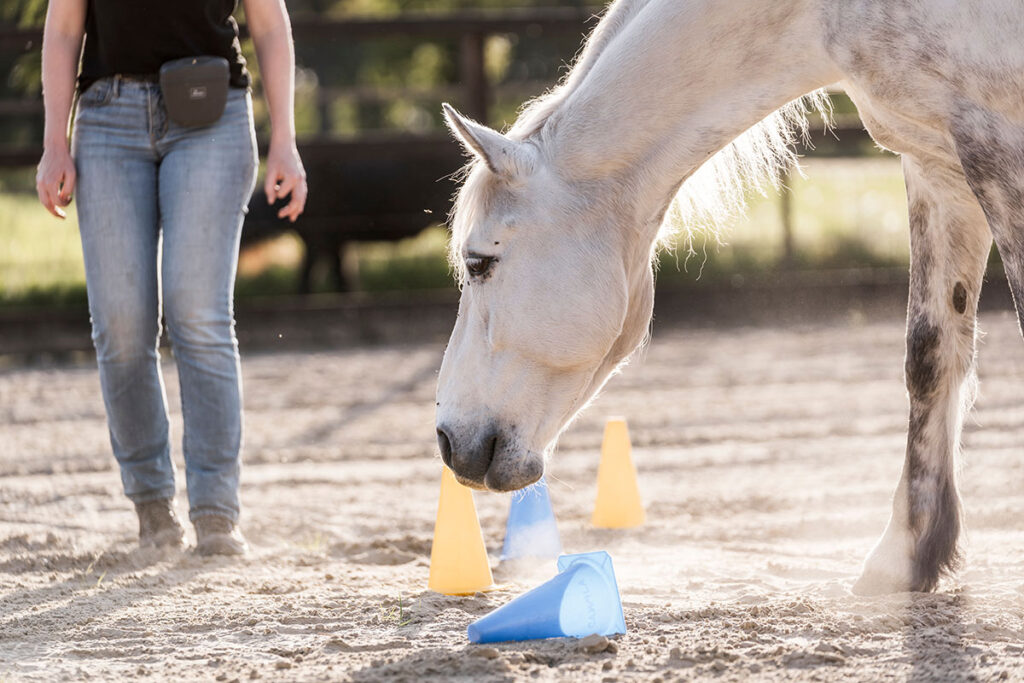
Horses express choices through body language and learned behaviors. Learn what researchers have revealed about equine communication.
See how the horse’s GI microbiome influences overall health and how you can support it. Sponsored by Gastrobim.

Do you know what to do–and just as importantly, what not to do–if your horse displays vague, mild, or serious signs of what might be colic? Your answer could save your horse’s life. Sponsored by Kentucky Performance Products.