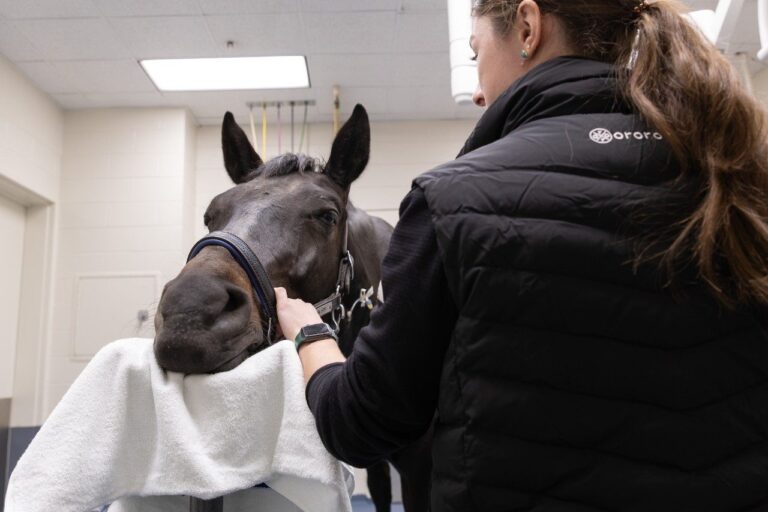
Clay Named Chair of Gluck Equine Research Foundation
Case Clay of Thee Chimneys Farm was named to the position in October.

Case Clay of Thee Chimneys Farm was named to the position in October.

Researchers are taking the next step and asking questions about the information the equine genome contains.
Researchers have identified and are studying a gene mutation linked to altered gait in horses.
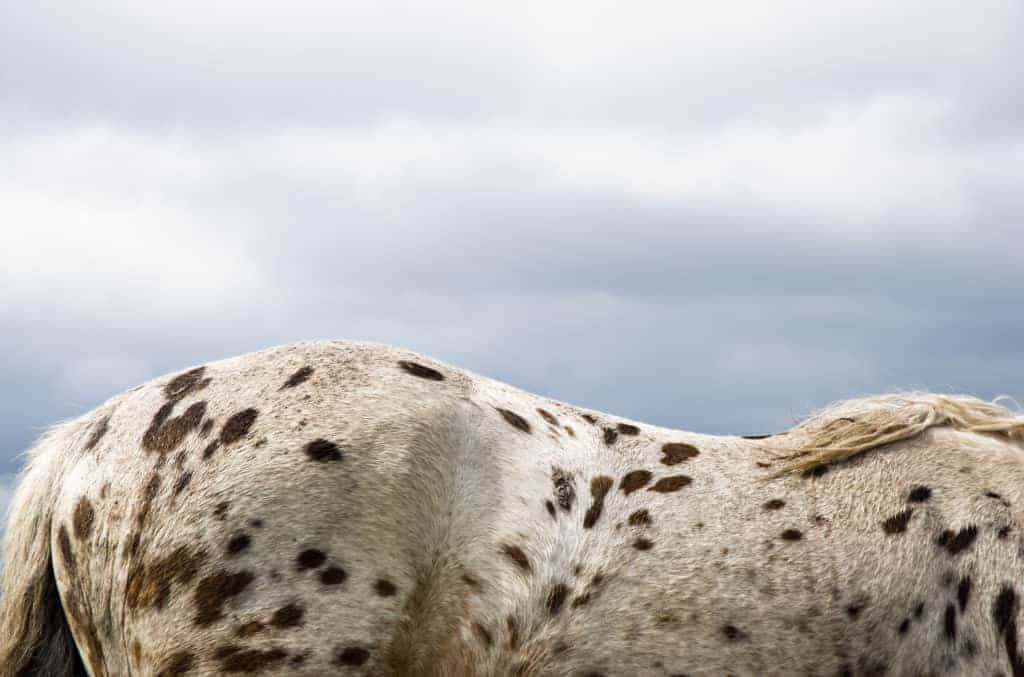
Using the LP allele for reference, researchers determined some prehistoric horses had spots like Appaloosas.

A team of French researchers might be hot on the trail to genomic evaluation of performance.
The coat color genetic tests include a panel test, individual color tests, and gray zygosity test.
Researchers recently finished sequencing the genome of an 18-year-old Quarter Horse mare called Sugar.
Program topics included the genetics involved in cribbing, equine genome comparisons, and more.
“Equine Eve,” the ancestral mother of all modern horses, probably lived about 140,000 years ago.
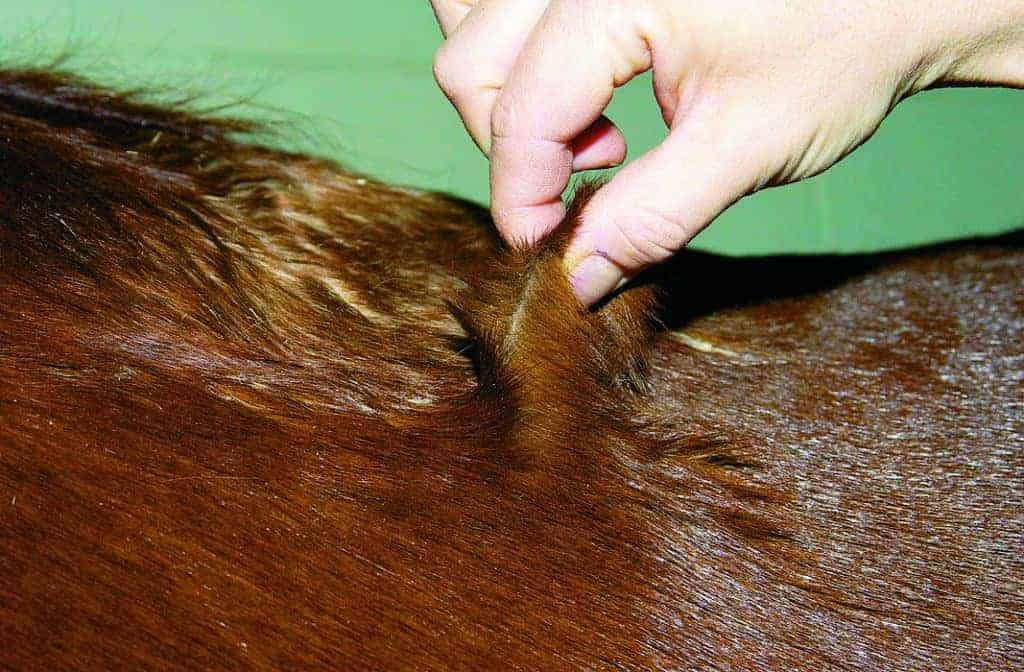
The test will screen for five potentially fatal genetic diseases often found in Quarter Horses.
A favorable trait, the “tiger eye” iris color is a yellow-orange shade believed to be unique to Paso Finos.
Genomics is in its infancy, and we have a lot to learn. But have no doubt, its impact on equine infectious diseases will be as great as that of vaccination and antibiotics.
Testing options include a comprehensive coat color package and a comprehensive disease diagnostic package.
Advances in the field of genetics are especially beneficial to those trying to understand equine disease.
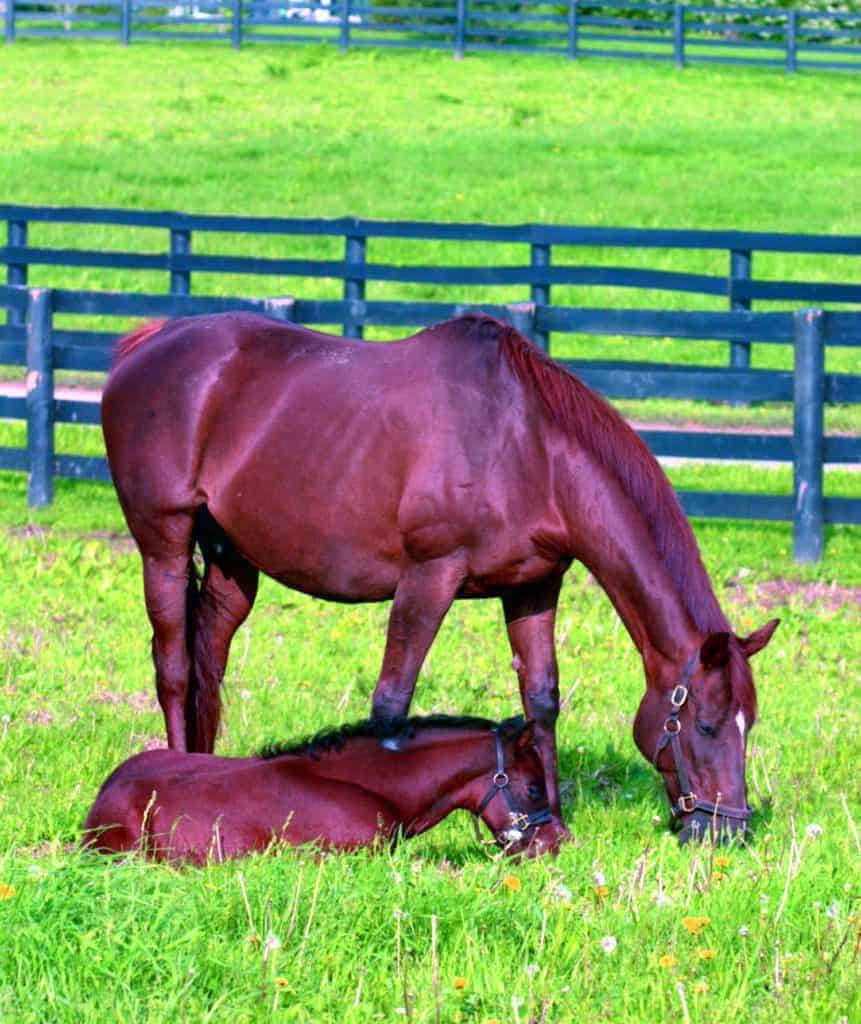
Epigenetics explains inherited traits that might skip a generation or appear spontaneously.

Understanding genetic determinants for health conditions can help us identify and manage predisposed horses.