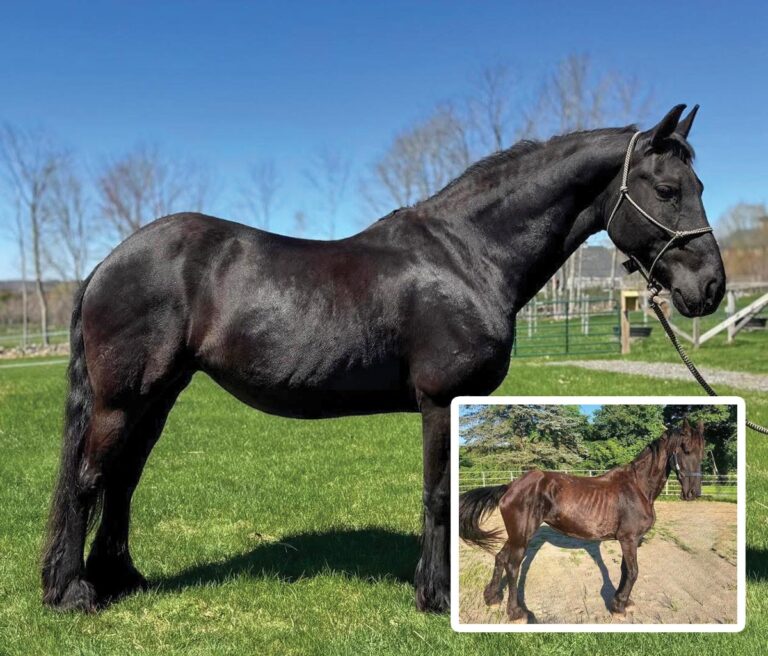
Growing Up: Estimating Adult Horse Size
There is no specific formula for estimating foals’ mature size that works in all instances.

There is no specific formula for estimating foals’ mature size that works in all instances.

Researchers recently studied the genetics of white leg and face markings, and they’ve learned that these features are the result of complex genetic processes.

The events will feature lectures on university programs, equine reproduction, and horse management issues.

Researchers determined that it’s the sire’s genes that take the lead in developing the mare’s placenta.
The symposium is open to anyone interested in learning about these disorders.

Chronic stress could lead to an increased susceptibility to disease due to the activation of certain genes.
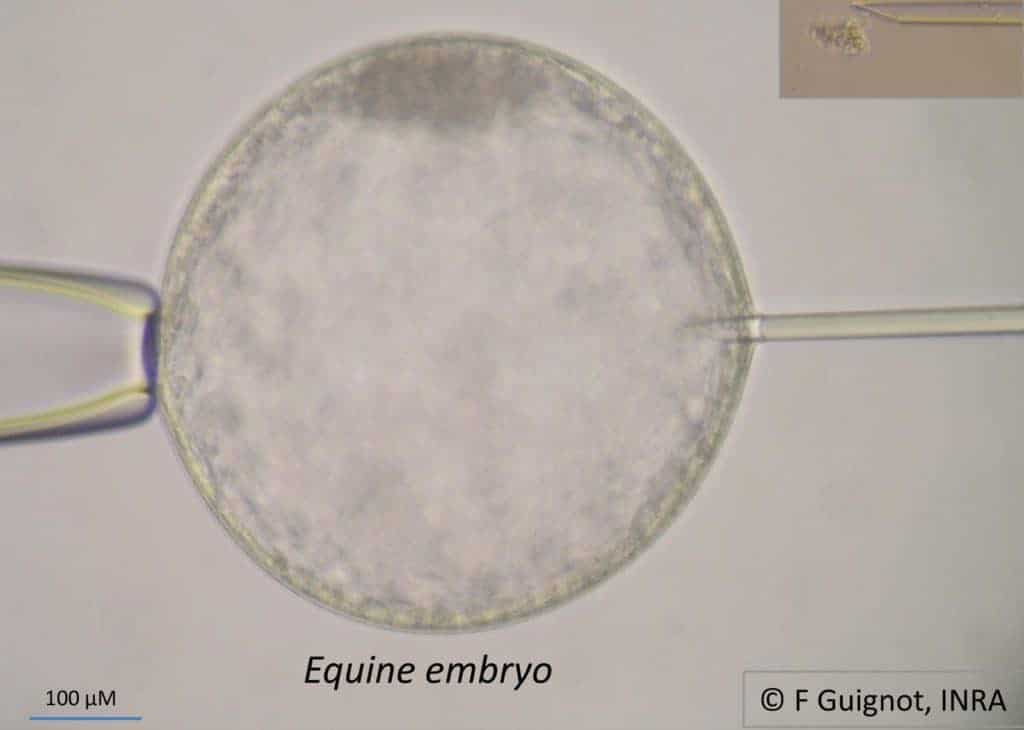
One embryo biopsy technique yields accurate results for sex determination without serious threat to survival.
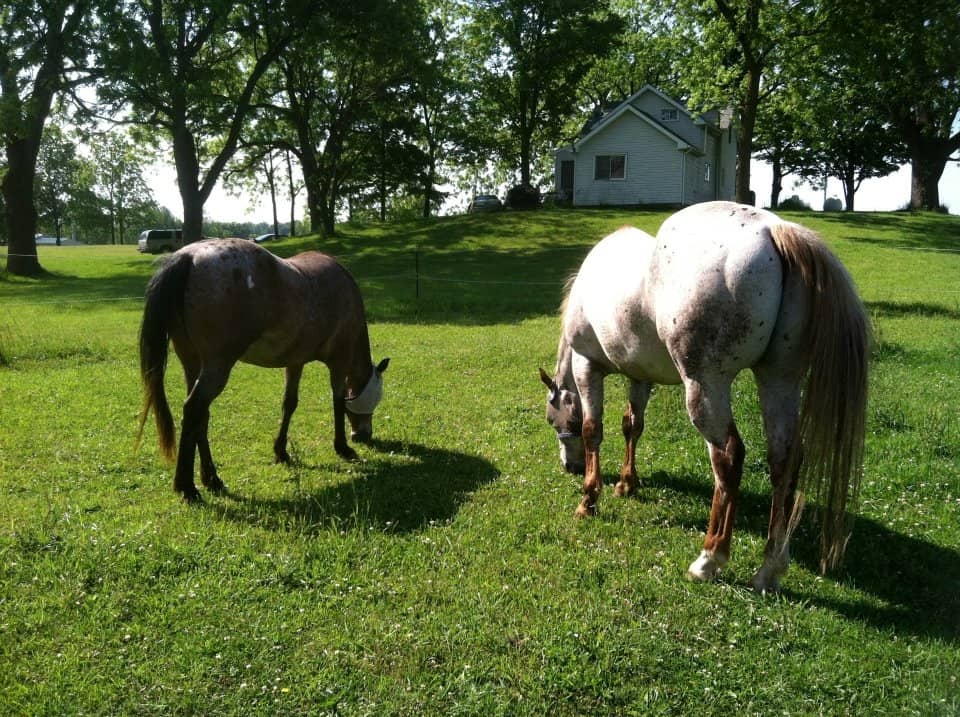
What makes a palomino golden or pintos splotched as if covered in paint? In this UK Lecture presentation, Dr. Kathy Graves shares the basics of equine coat color genetics and how base colors, dilute genes, and certain coat patterns are inherited.
Equine Guelph will offer a 12-week equine genetics course in the fall of 2013.
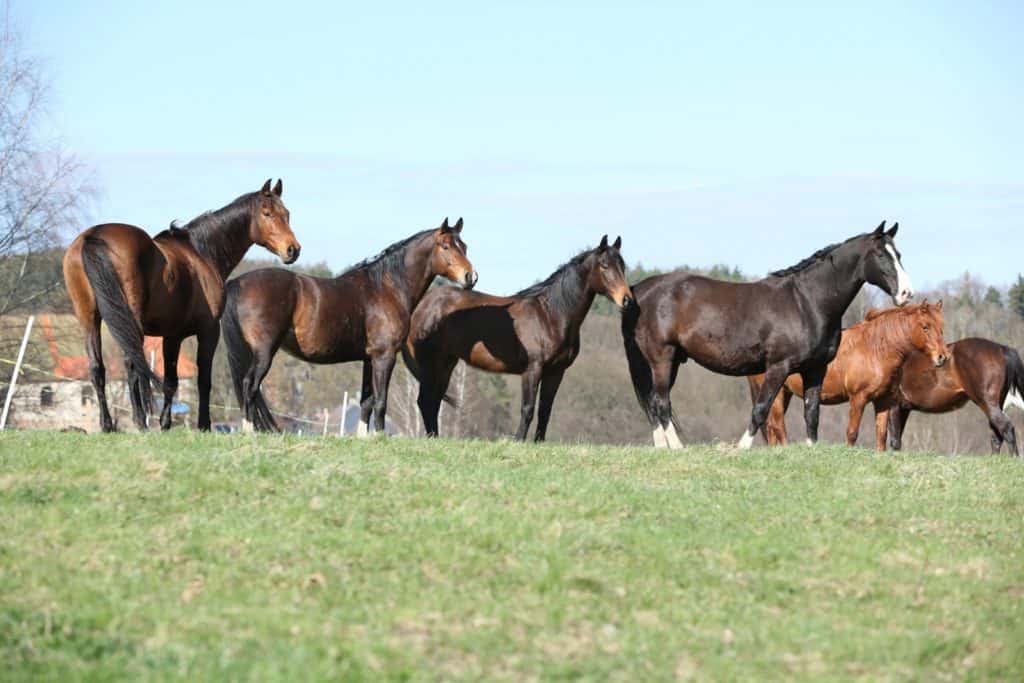
Researchers are studying multiple parts of the Y chromosome to determine how modern sport horses came to be.

Swedish researchers discovered that genetic makeup affects locomotion patterns in horses.
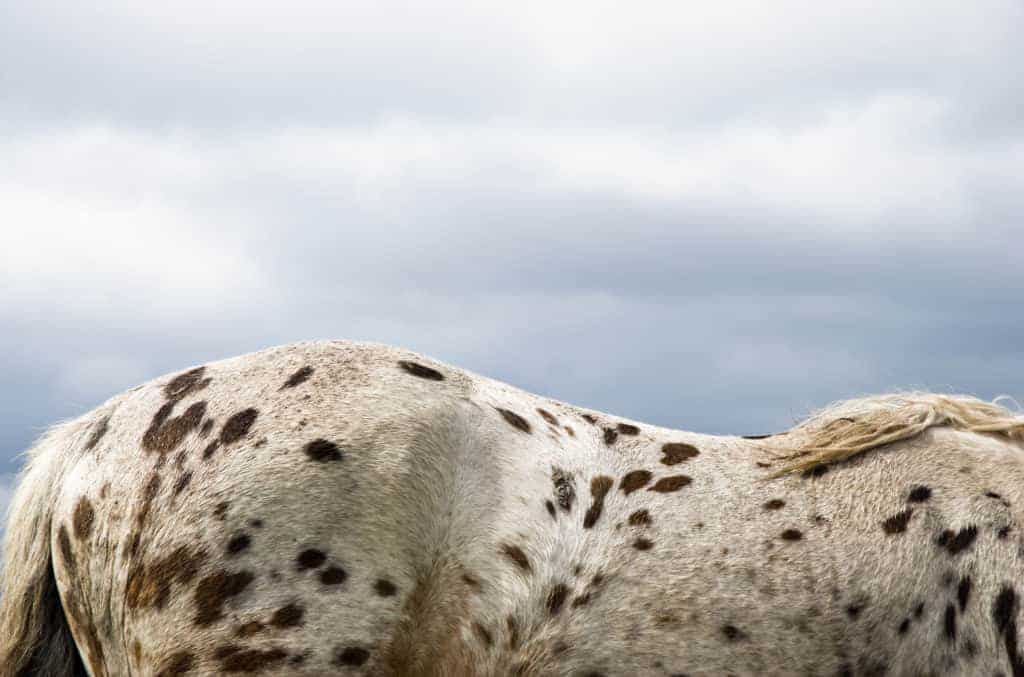
What’s behind a horse’s coat color? The answer lies in coat color genetics.

The University of Kentucky Gluck Equine Research Foundation published its 2012 Research Report in March.

Researchers suggest horse genes need to prepare for high performance-associated stress.
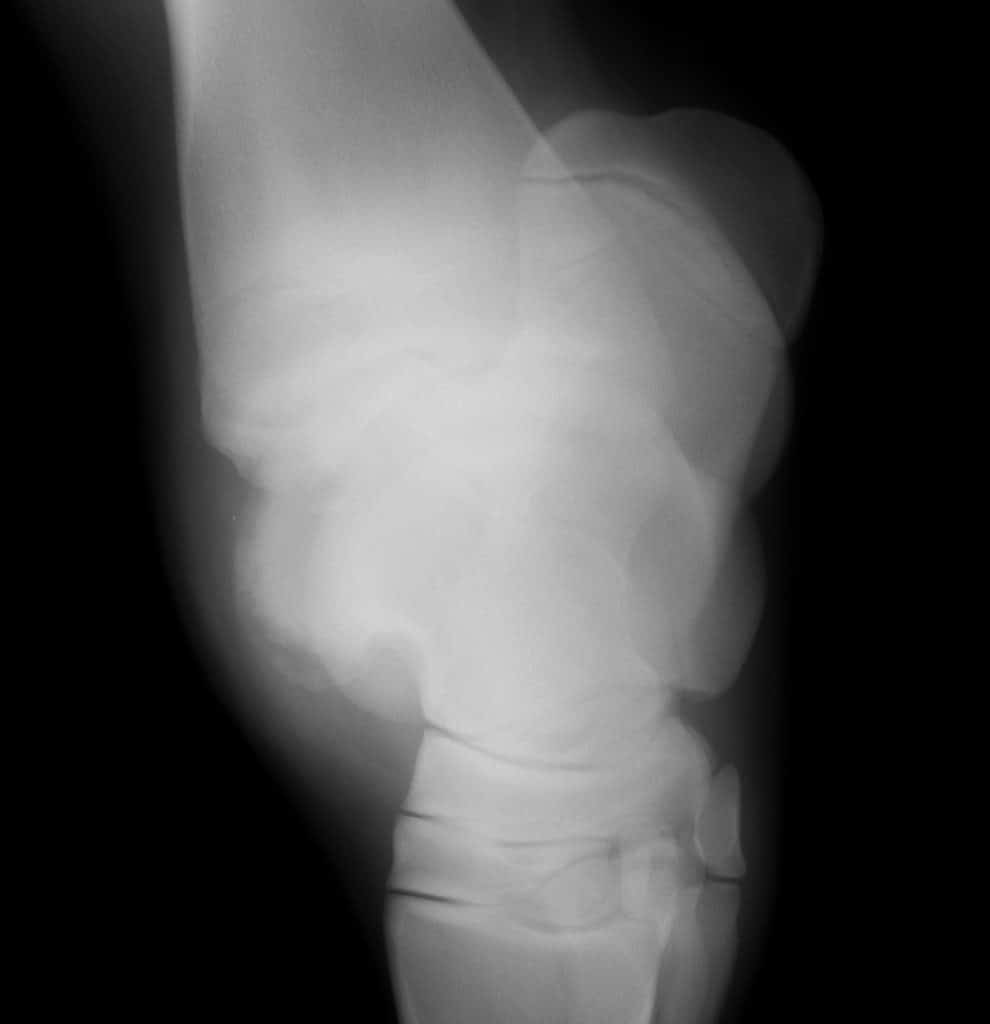
English researchers have taken a step forward in understanding a potential genetic component of OC.
The programs will highlight industry research findings, reproduction topics, and horse management issues.