12 Miniature Horse Health Risks
While small in size, Minis have the same health needs and risks as other breeds, as well as a number of unique issues.

While small in size, Minis have the same health needs and risks as other breeds, as well as a number of unique issues.

Scientists are learning more about horses’ DNA and how mutations impact health, behavior, performance, and more.

What affects a foal’s demeanor and makes him his own, unique self? Let’s have a look at what science has to say.
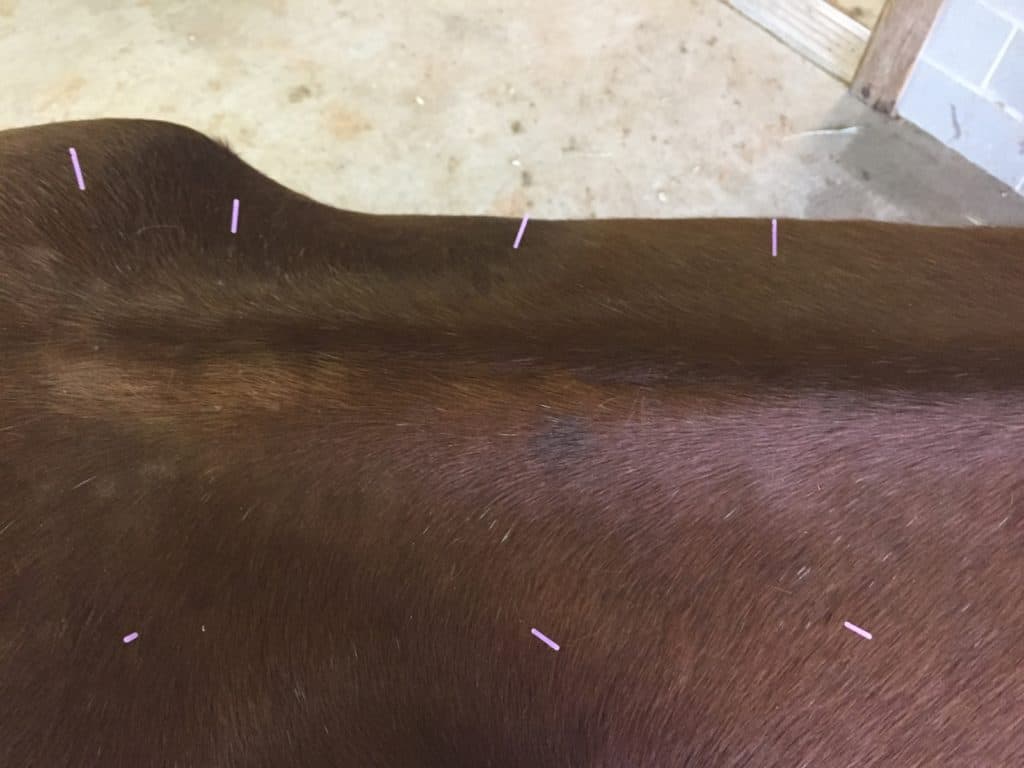
There’s a complex series of events that occur when acupuncture needles are placed. Here’s a rundown of what happens.
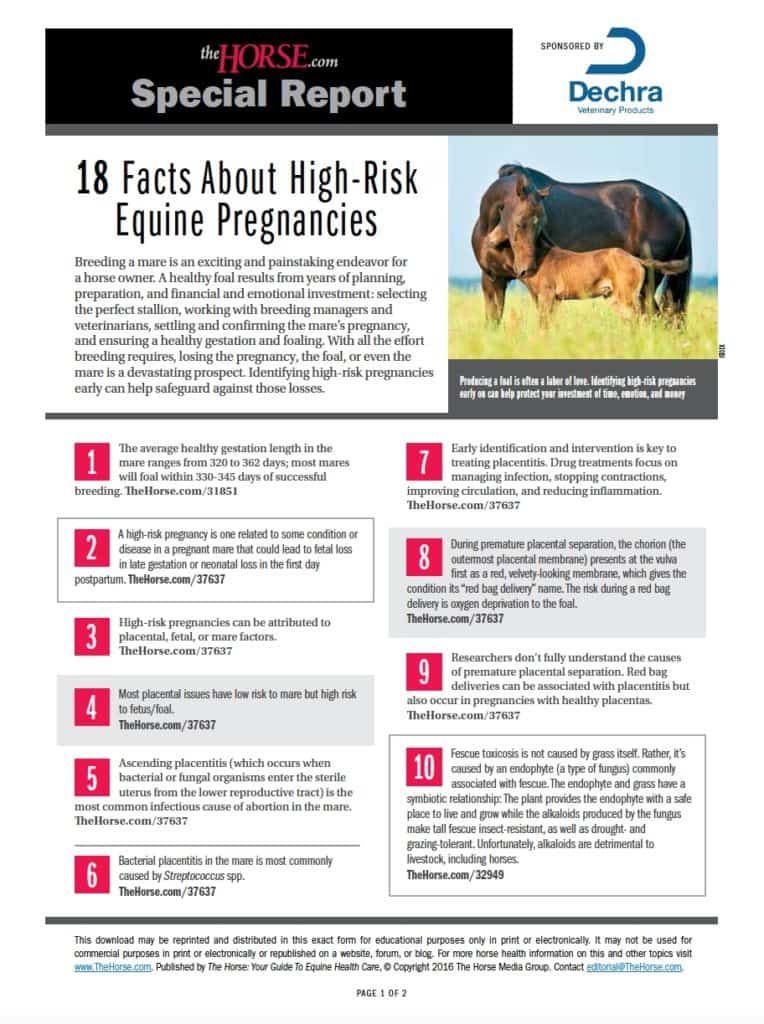
With all the effort breeding requires, losing the pregnancy, the newborn foal, or even the mare is a devastating prospect. Identifying high-risk pregnancies early can help safeguard against those losses.

University of Kentucky’s Dr. Barry Ball defines the high-risk pregnancy and its causes and offers management options. Learn about fescue toxicosis, umbilical torsion, premature placental separation, and more in this information-packed lecture.

Scientists found a gene that could identify superior tractability, or how easily a horse can be trained or controlled.
Teri Lear, PhD, worked on the Horse Genome Project, which resulted in the first map of a horse’s genetic sequence.

This is the first study to identify a potential genetic, rather than environmental, cause for foal loss in mares.

A foal’s first hours are fragile. Here, Dr. Peter Morresey of Rood & Riddle Equine Hospital, in Lexington, Kentucky, shares the early signs of trouble to look for in both the foal and its placenta. What you learn might save a foal’s life.

What you need to know and expect when using this breeding method.

An equine behavior expert and veterinarian explains the role that genetics play in a horse’s behavior.

The champion Thoroughbred racing mare’s colt by War Front succumbed to meconium aspiration syndrome at 2 days of age.

Post-mortem exams are crucial to determine what caused the abortion. Here’s what your veterinarian will look for.

The rare condition–primary hypothyroidism–in mares could be behind a potentially deadly foal problem called CHDS.

Selective breeding could lead to horses more tailored for endurance and improve welfare and performance, scientists say.