Estrogen Concentrations’ Effects on Pregnancy Outcome
Researchers determined that reduced estrogen levels in late pregnancy do not affect pregnancy outcome.

Researchers determined that reduced estrogen levels in late pregnancy do not affect pregnancy outcome.

Older mares experience a reduced oocyte (egg) reserve and increased early pregnancy loss.

Complications include chronic endometritis, pyometra, and the marble or shreds of glass adhering to the endometrium.

Researchers determined that excessive uterine edema near the time of ovulation did not adversely affect pregnancy rates.

Researchers from UK presented research on breeding and mare fertility during the 2014 AAEP Convention.
Mare fertility declines with age in association with reduced follicle count, and AMH is correlated with follicle count.

Studies covered biofilms, chilled and frozen semen, endometritis, placentitis, oxidative stress and fertility, and more.
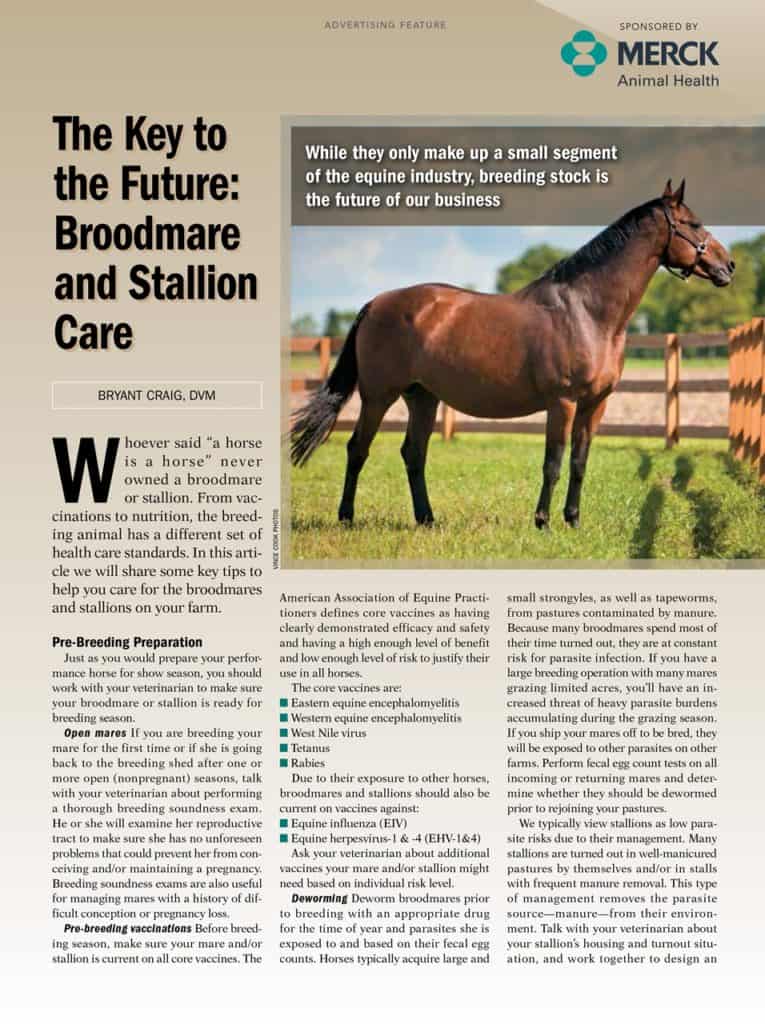
While they only make up a small segment of the equine industry, breeding stock is the future of our business.

Researchers believe that estrogens could prove to be a useful early indicator of placentitis in the future.
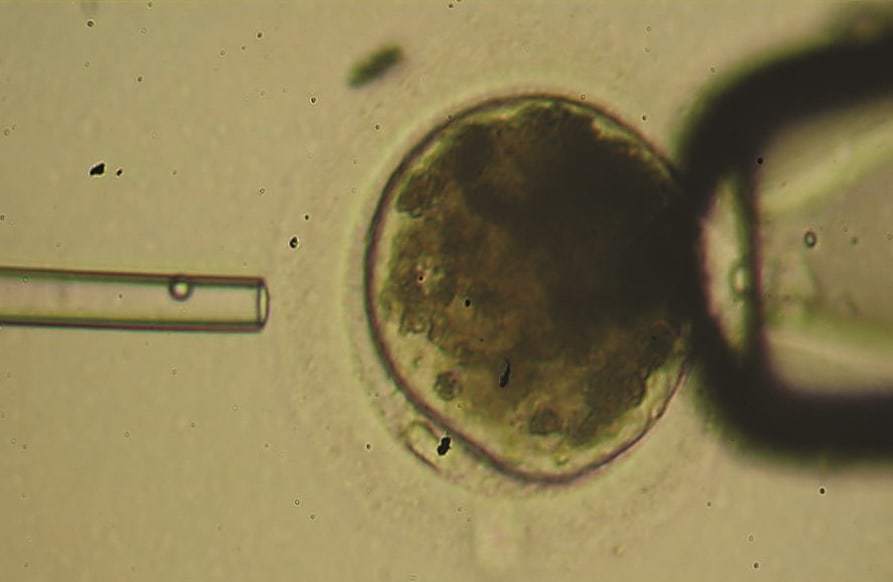
Researchers evaluated the effect of shipping mares’ oocytes (egg cells) on eventual fertilization rate.

A broodmare’s belly grows as her fetus matures, but any rapid or unexpected expansion is cause for concern.

Dr. Pat McCue describes the reproduction studies from the past year he deemed most important and useful.
The American Quarter Horse Foundation (AQHF) has announced their 2013-14 equine research grant recipients.

Two veterinarians describe recent equine reproduction studies they found interesting and influential.

Researchers determined that it’s the sire’s genes that take the lead in developing the mare’s placenta.

Some veterinarians now believe that metabolic diseases likely have a negative impact on equine reproduction.