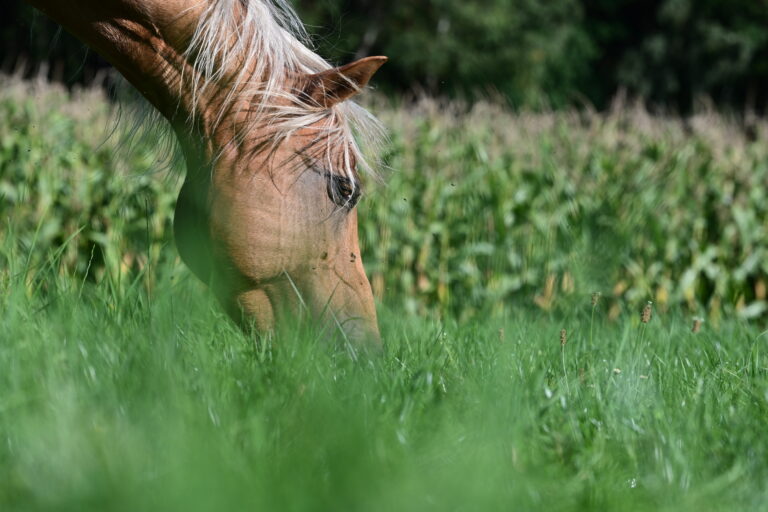
When to Change a Pregnant Mare’s Diet
When during gestation should a pregnant mare’s diet change? An equine nutritionist weighs in.

When during gestation should a pregnant mare’s diet change? An equine nutritionist weighs in.

Find out what effect a mare’s weight and, ultimately, energy or calorie intake can have on her efficiency as a broodmare and on her foal.

Researchers have confirmed that, by following a few recently described steps, veterinarians can sex fetuses over a much longer time period than previously though and without clipping or sedating mares.

A barn was released from an EHV-1 quarantine, but is the risk for disease transmission gone? A veterinarian weighs in.

Top tweets and take-homes from Monday’s educational sessions on topics including saddle fit and mare reproduction.

Researchers tested a sulfadiazine and trimethoprim suspension specifically designed for oral administration with positive results.
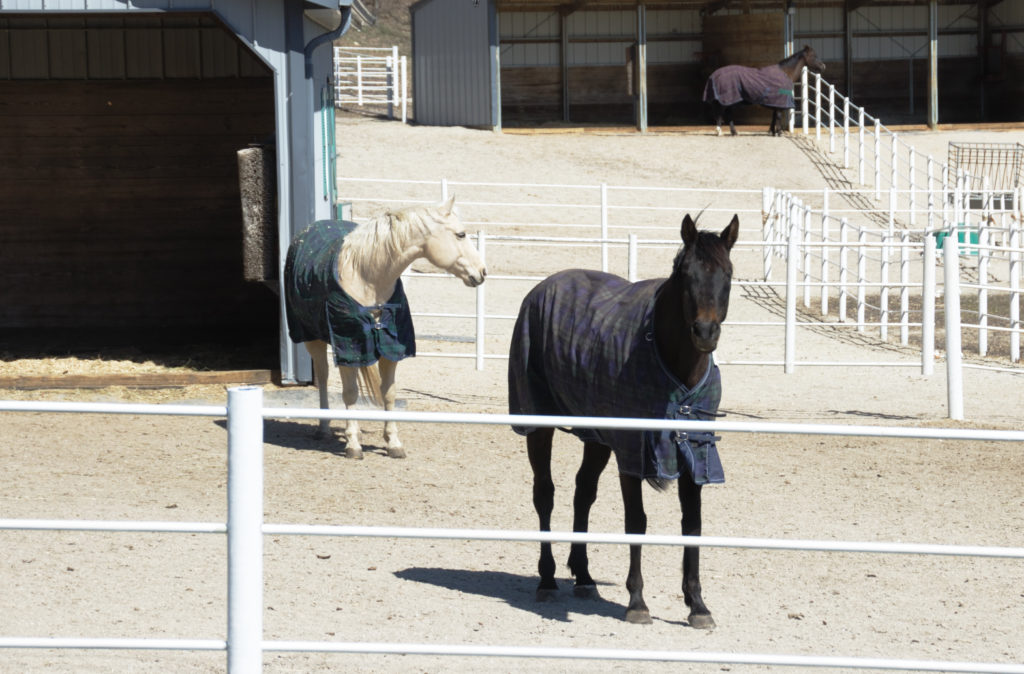
Vitamin E deficiencies can cause neurologic and other health problems in horses. As such, at-risk horses—from breeding stock and foals to equine athletes and pasture pets—might benefit from supplementation.

Dr. Joe Pagan founded Kentucky Equine Research in 1988 and, in the three decades following, he and his staff have witnessed the evolution of equine nutrition and research trends.
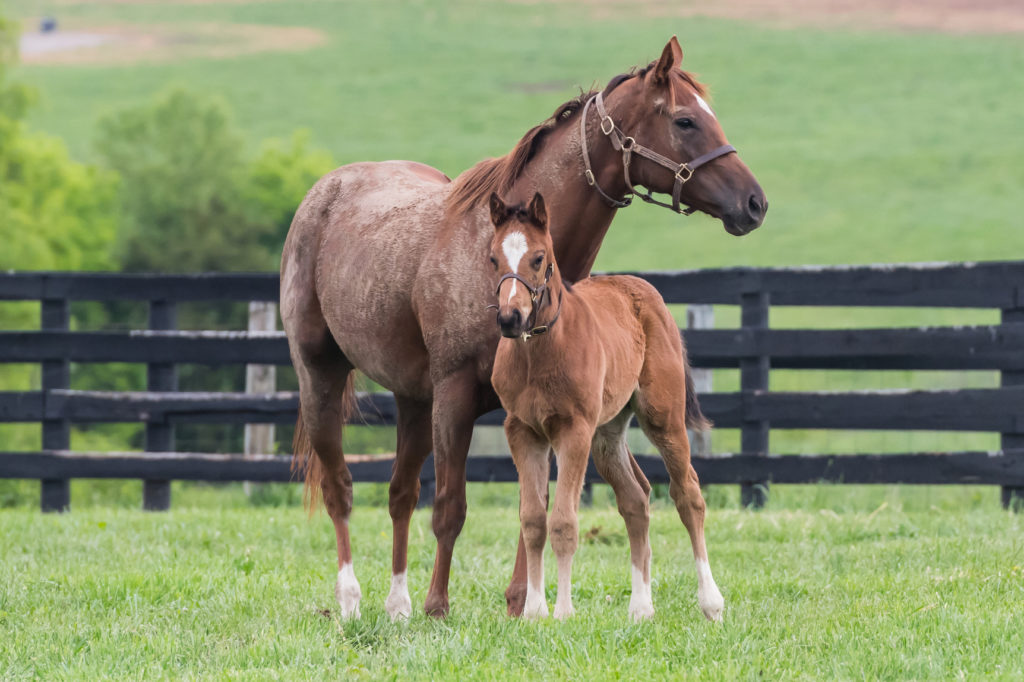
Dr. Ryan Ferris explains the different meanings of “foundation mare” for a reader who owns one but isn’t sure what the term means.
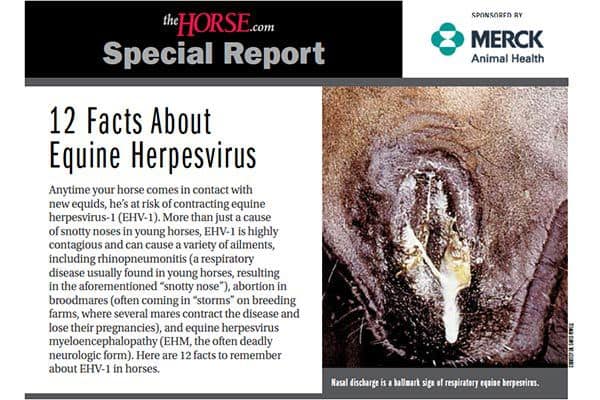
EHV-1 is more than just a cause of snotty noses in young horses. Learn more about this highly infectious disease and how to protect your horse in this special report.

How to unravel the reason behind your horse’s head-scratching weight loss.

Steve Reed, DVM, Dipl. ACVIM, of Rood & Riddle Veterinary Hospital, in Lexington, Kentucky, offers his insight about equine herpesvirus-1, including diagnosis, treatment, and prevention.

Shavahn Loux has been involved in a wide range of equine reproduction projects, particularly focusing on monitoring gestational health using bioinformatic tools.

A well-trained and skilled technician can make a reproduction veterinarian’s job much easier and more enjoyable, especially during breeding season.

While some species develop a local immune response, sending special protective cells to the uterus itself, mares don’t, researchers learned recently. Rather, they appear to send those cells elsewhere as soon as semen enters the uterus. Where they go, nobody knows (yet).

Confirmed diseases include equine influenza, equine herpesvirus, piroplasmosis, salmonellosis, rabies, and more.