Research Review: Anesthesia and Surgery in Pregnant Mares
If surgery requiring general anesthesia must be performed on pregnant mares, the safest time window is Days 40-220 of gestation, researchers concluded.

If surgery requiring general anesthesia must be performed on pregnant mares, the safest time window is Days 40-220 of gestation, researchers concluded.
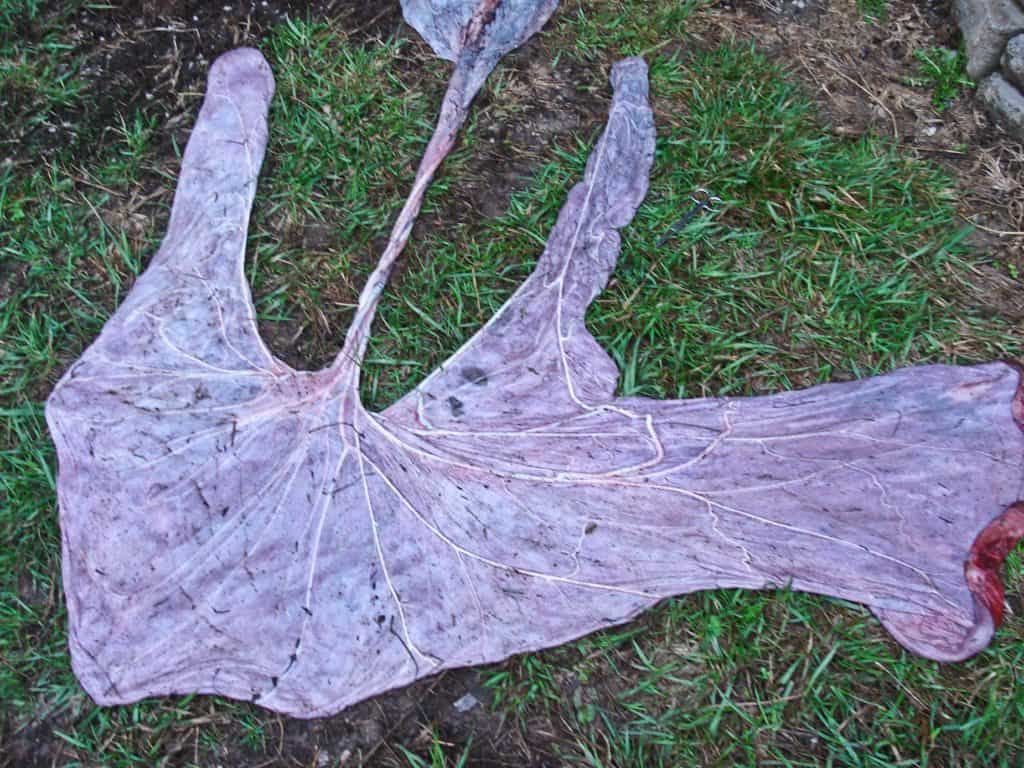
Retained fetal membranes can cause serious problems for broodmares. Here’s what you need to know.
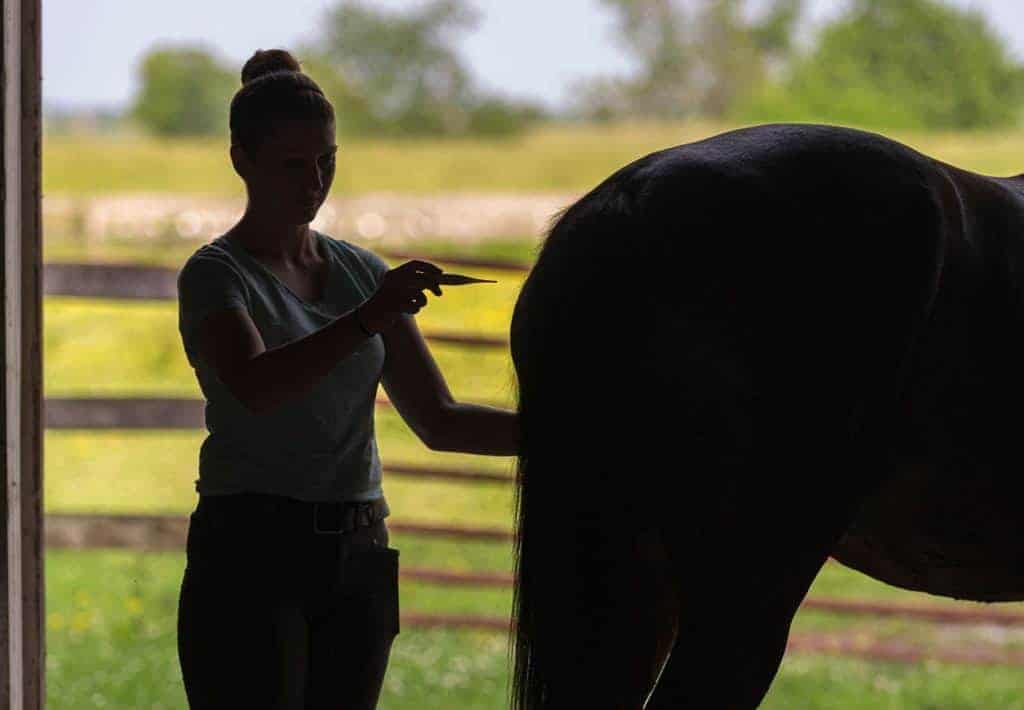
The EHM-positive 5-year-old Standardbred gelding from Washtenaw County developed acute neurologic signs and is isolated and under veterinary care, officials said.

Equine herpesvirus-1, or EHV-1, infection can result in late-term abortion in pregnant mares.

The second horse developed a fever and respiratory signs of disease, but has not yet exhibited any neurologic deficits.

The Eastern tent caterpillar eggs will begin hatching soon after spending about nine months as eggs in masses on twigs of wild cherry and related trees.

While removing mares’ ovaries can be successful in remedying aggressive behavior, other estrous behaviors can persist even following surgery.

Use this four-step plan to keep equine infectious diseases in check.
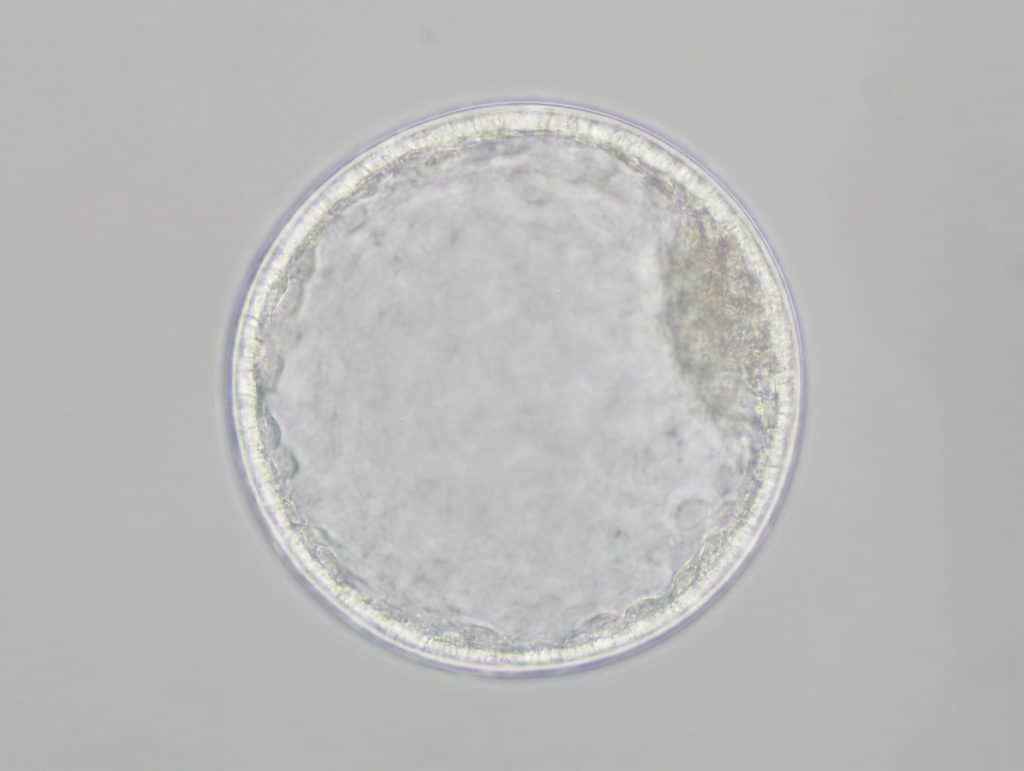
A reproductive specialist describes techniques to help clinicians overcome common challenges in embryo recovery and recipient mare management.

The Quarter Horse gelding attended cutting events in Las Vegas and Arizona in the month prior to developing clinical signs.

A veterinarian can help determine risk factors in your area, the best time for vaccination, and what is right for each individual animal.

Vets should perform a careful assessment of a mare’s hormonal status to determine whether there’s a definitive, repeatable relationship between it and her undesirable behavior.

Dr. Michelle Linton offers suggestions on how to identify when your mare is ready to foal.

Find out the pros and cons of a stall vs. pasture birth from Dr. Michelle Linton of the University of Pennsylvania.
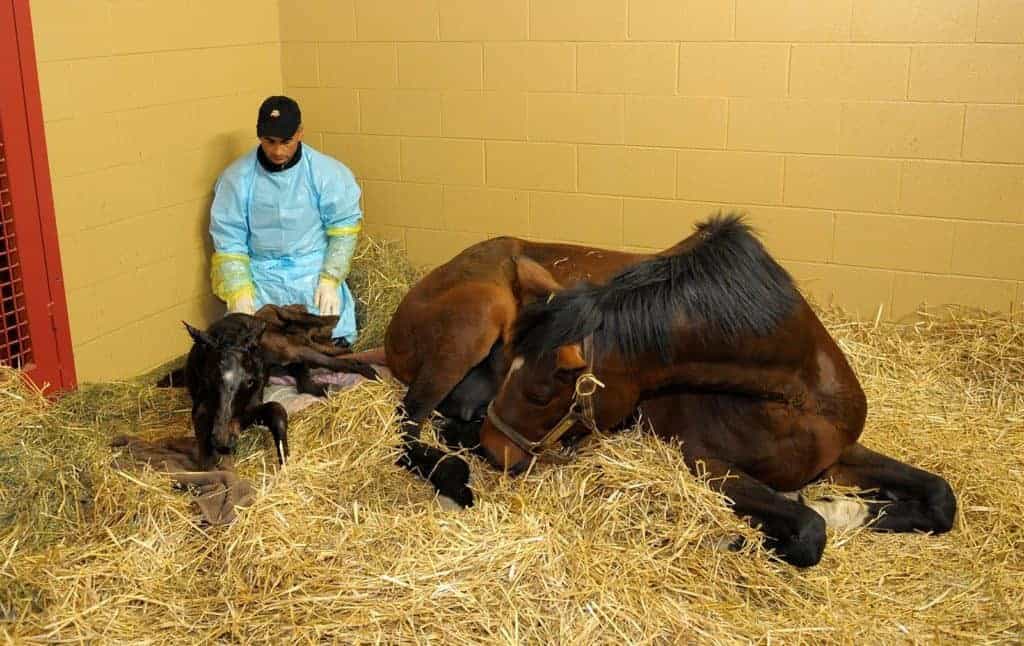
University of Pennsylvania’s Dr. Michelle Linton describes the how a normal foaling should progress.

Nocardioform placentitis affects late-gestation mares, causing abortion, stillbirth, or foals born alive but compromised.