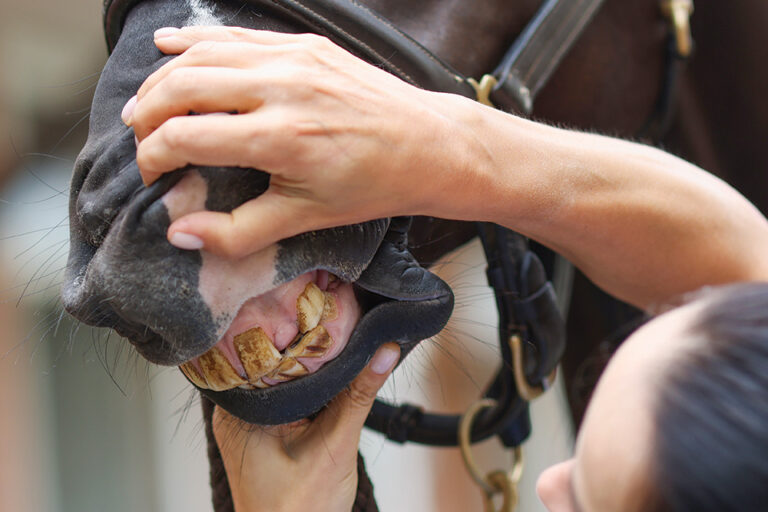
Feeding Broodmares During Late Gestation
With a rapidly growing foal on board, late gestation can pose nutritional challenges for pregnant mares.

With a rapidly growing foal on board, late gestation can pose nutritional challenges for pregnant mares.
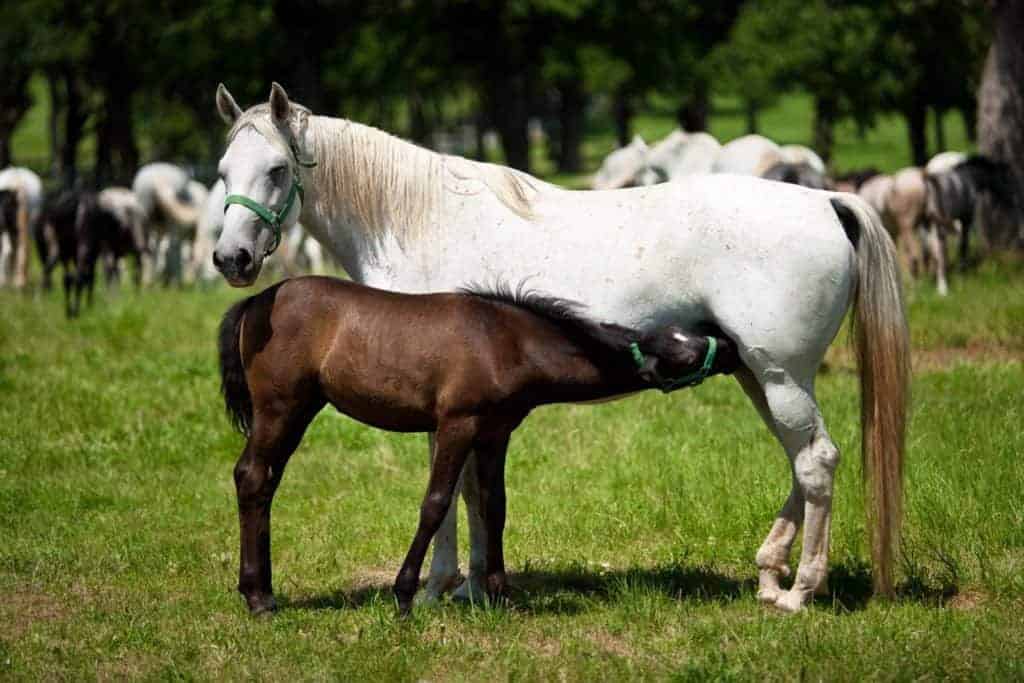
Researchers recently conducted a study on the effects of starch source on mare and foal hindgut bacteria.

To mitigate the consequences of a disease outbreak, it is important to understand where the disease is spreading.

The Nevada Department of Agriculture has received reports of horses being exposed to EHV-4 and strangles.

The affected horse attended barrel racing events in two Texas cities prior to disease presentation and confirmation.
Read the top tweets and take-homes from Rood & Riddle Equine Hospital’s client education seminar.

Entomologists predict that this year’s egg hatch could beat the previous record for early hatching “soundly.”

While the actual product might still be several years away, researchers are currently testing “promising technologies.”
Read our editor’s take-home EHV-1 tweets from the Kentucky Horse Council’s KENA meeting held Feb. 21.

Some veterinarians use this synthetic progestin in an attempt to suppress estrus and related behaviors in mares.

Three other horses from the same farm tested positive for EHV-1 but are not showing neurologic signs at this time.

The science behind immunity is complex, but there are several aspects that are useful in everyday mare and foal management.

The positive horse was stabled at the HITS Thermal show from Jan. 21 to Feb. 5. The animal is currently quarantined.

Mild weather could be behind higher-than-average ergovaline concentrations in tall fescue in Central Kentucky pastures.

The horse had only mild clinical signs and is recovering.
These quarantine releases mean there are no racing or training facilities in Kentucky under quarantine for EHV-1.