Consider Hysteroscopy During Mare Breeding Soundness Exams
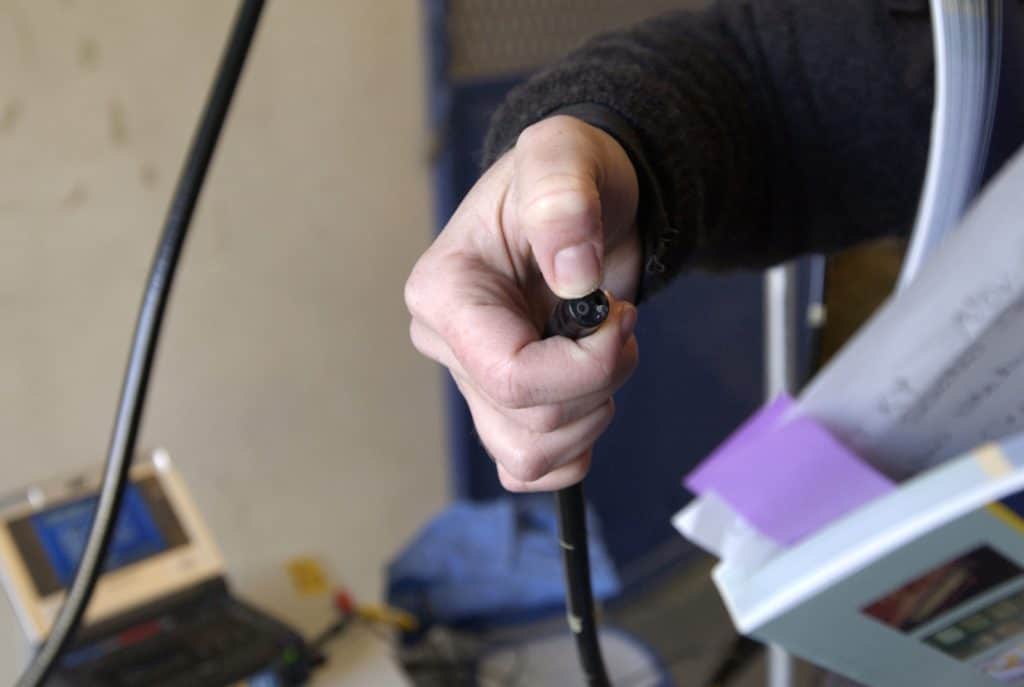
Hysteroscopy involves running a flexible endoscope through the uterus to check for abnormalities.

Hysteroscopy involves running a flexible endoscope through the uterus to check for abnormalities.

The 18-year-old Quarter Horse mare from Newport was euthanized at Washington State University.

Researchers found that AFP could be a useful biomarker to help assess neonatal health soon after birth.
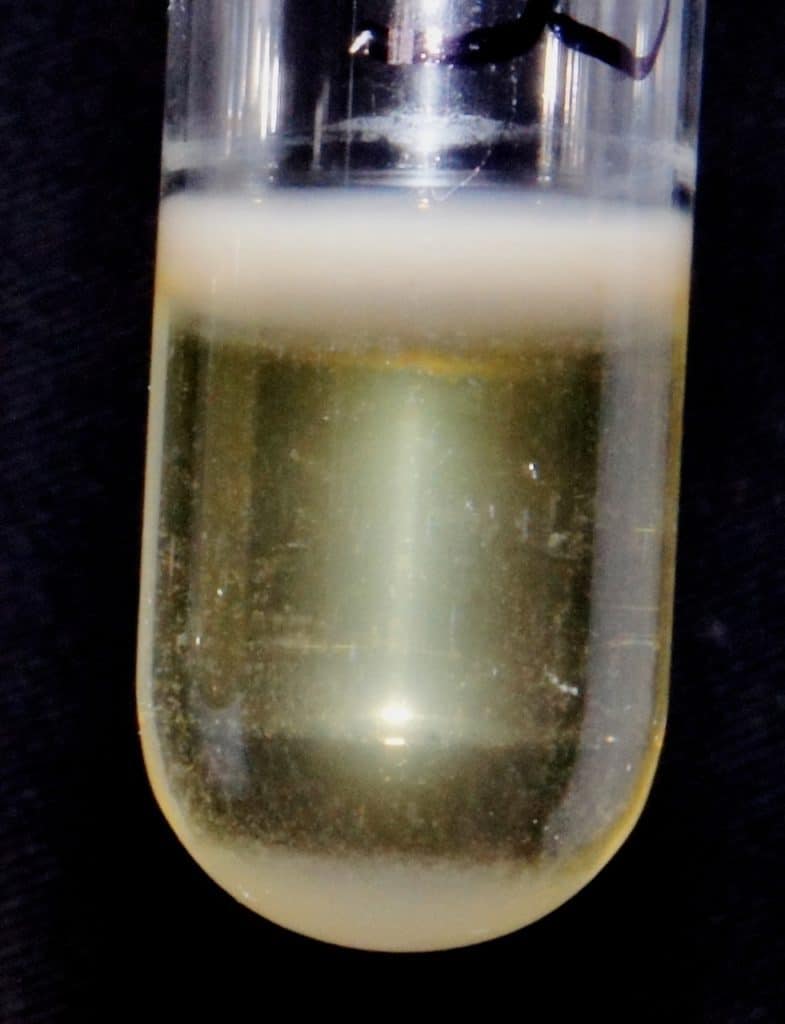
Suspect a biofilm or latent infection if bacterial endometritis is treated appropriately, but the infection persists.

Anti-Mullerian hormone is a reliable marker for cryptorchidism, granulosa-cell tumors, and, possibly, mare fertility.

Learn to recognize the signs of various temperature-raising conditions in horses.

Veterinarians can use progesterone diagnostically to evaluate luteal function during early pregnancy.
Diagnosed diseases include vesicular stomatitis, EHV, strangles, influenza, piroplasmosis, rabies, and more.
The release comes after 14 days with no new EHV-1 cases.
The USDA has issued revised guidelines for contagious equine metritis (CEM) culture. Here’s what you need to know.

A single horse tested positive for neurologic EHV-1 on June 17. That horse’s barn has been quarantined.

A reproduction specialist reviews how she successfully managed and impregnated a particularly challenging problem mare.

A quarantine put in place after a West Bend horse tested positive for neurologic equine herpesvirus-1 has been lifted.
Seven horses at one breeding farm tested positive for the neuropathogenic form of the virus in late May.
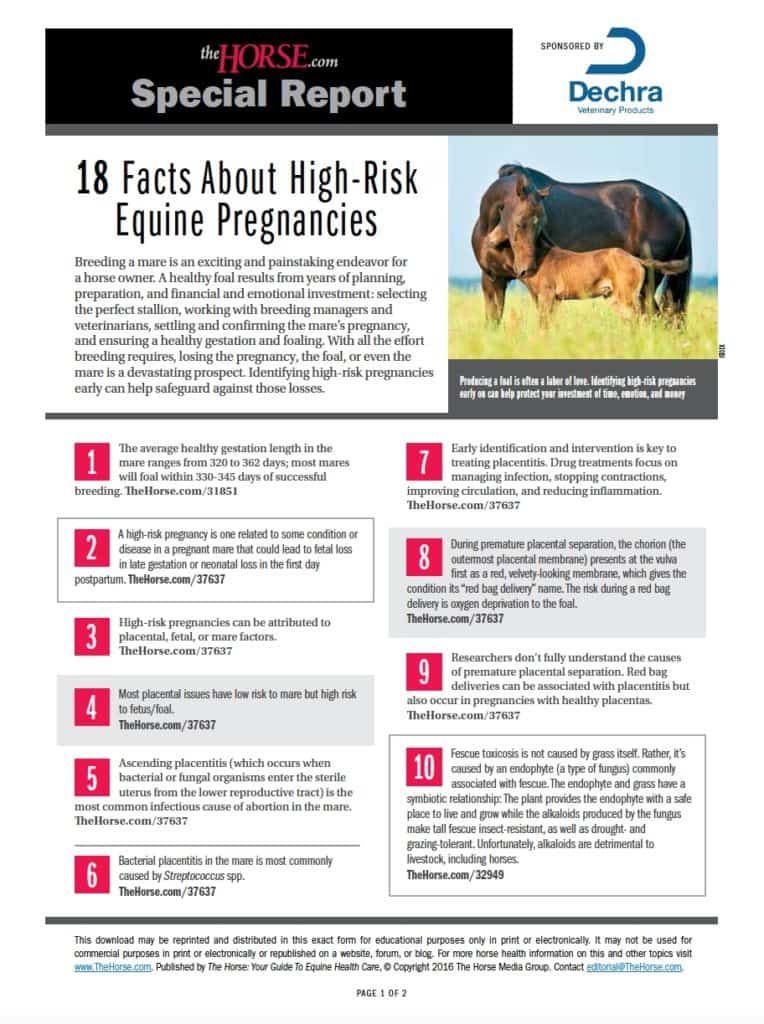
With all the effort breeding requires, losing the pregnancy, the newborn foal, or even the mare is a devastating prospect. Identifying high-risk pregnancies early can help safeguard against those losses.

Is your horse protected from infectious disease? Here are tips on how to keep him safe at home and on the road.