Equine Neurologic Disease
The accurate diagnosis of equine neurologic disease is important for several reasons.

The accurate diagnosis of equine neurologic disease is important for several reasons.

This equine herpesvirus outbreak serves as an excellent reminder of the importance of good biosecurity practices.
Officials have lifted the restrictions placed on one barn at the Campbellville Training Centre in Ontario.
Presentations topics ranged from the physiological details of reproduction and foaling to diets and nutrition.
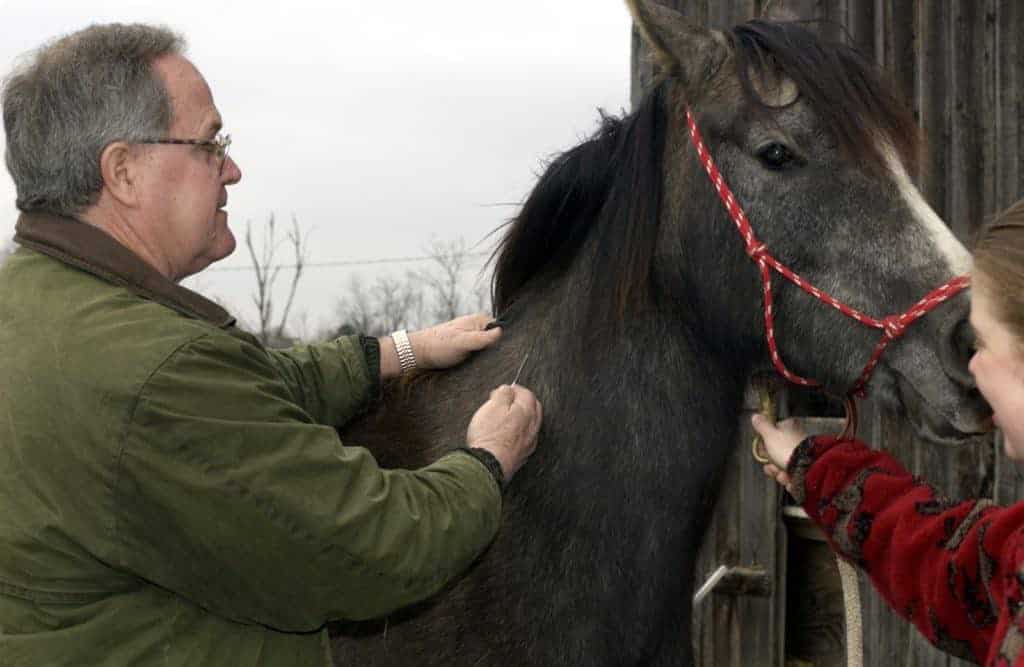
Brad LeaMaster, DVM, PhD, advised owners to protect their horses against WNV and EHV-1 this spring.
Officials implemented equine import restrictions after CEM was confirmed in a horse in Puerto Rico.
Subsequent to the nocardioform placentitis surge in 2011, research in this field has progressed.

A behaviorist describes mare and foal behavior and how to avoid perpetuating undesirable orphan foal behavior.
Two Standardbred horses have tested positive for equine herpesvirus-1 (EHV-1).
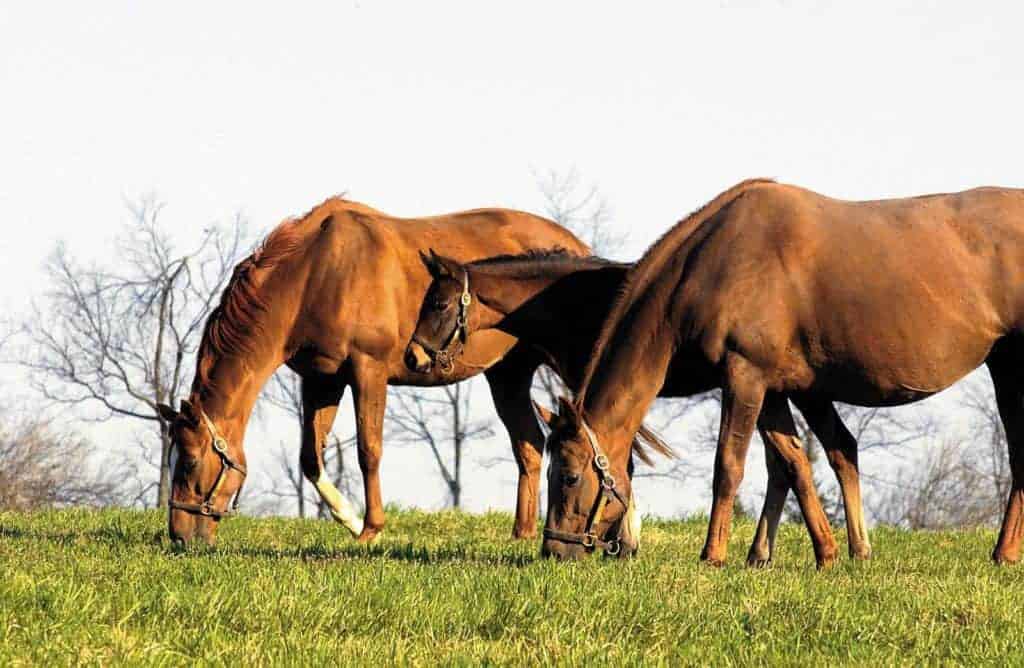
During the breeding and foaling season, lush fescue pastures could create problems for pregnant mares.
Lecture topics will include planning a mating, nutrition, foaling, farm and pasture management, and more.

Researchers say not all biosecurity protocols owners use will protect horses from infectious diseases.
One of three EHV-1 positive horses at Vernon Downs has been euthanized, a May 8 statement said.

Laboratory tests indicate at least four horses stabled at Vernon Downs are positive for EHV-1.

Officials implemented a quarantine at Vernon Downs in New York after confirming a case of EHV-1 on May 4.

Vets might be able to determine if some mares are at risk of late-term abortion by conducting a blood test.