Equine Health Seminar Kicks Off Horse Races
The 2013’s annual Zweig Memorial Trot kicks off with a series of talks on equine health.

The 2013’s annual Zweig Memorial Trot kicks off with a series of talks on equine health.
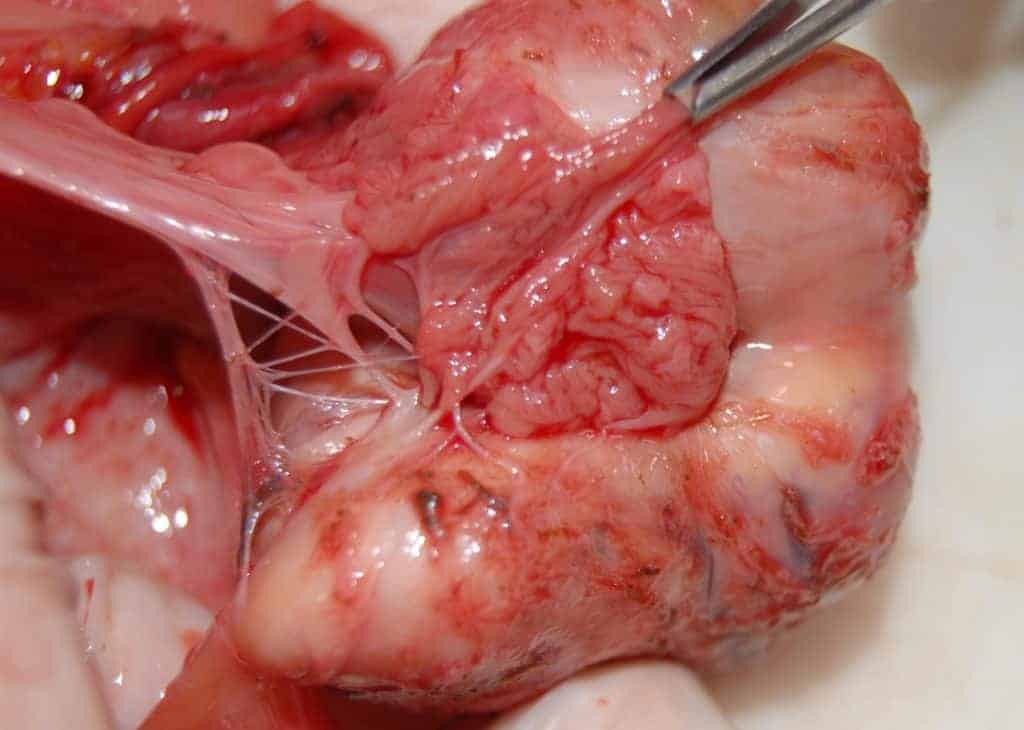
While oviduct-related fertility issues are rare in horses, breeders should be aware of what can go wrong.

Learn how administering prostaglandins can help breeders improve their mares’ chances of becoming pregnant.

Placentitis is the most common cause of late-term abortion and remains challenging to diagnose and treat.

The Society for Theriogenology’s Conference starts Aug. 7 and continues through Aug. 10 in Louisville, Ky.
Confirmed diseases include contagious equine metritis, strangles, EHV, influenza, and more.

A 4-year-old California mare has tested positive for neuropathogenic equine herpesvirus-1 (EHV-1).
Lactating mares on good quality pasture didn’t need grain to maintain their weight or their foals’ growth.
Horses residing on two English premises have tested positive for equine herpesvirus-1.
All EHV-1 related restrictions placed on horses stabled in Barn 1 at Woodbine have been lifted.
Officials have lifted some restrictions placed after five horses tested positive for EHV-1 last week.

Study results show a reduction in a certain immune system cell could aid in diagnosing early pregnancy loss.
Officials placed the restrictions after a horse in Puerto Rico tested positive for CEM.
Due to the recent EHV-1 outbreak at Woodbine, Park Stud has concluded the breeding season for its stallions.

Authorities have confirmed five EHV-1 cases in Barn 1 at Woodbine Racetrack in Toronto.

One researcher suggests some steps that could minimize disease risk without impeding horses? travel.