Post-Outbreak Horse Hauling Concerns
My horse will be hauled to a state affected by the recent equine EHV-1 outbreak. Should I be concerned?

My horse will be hauled to a state affected by the recent equine EHV-1 outbreak. Should I be concerned?

Two additional California horses tested positive for neurologic equine herpesvirus-1 (EHV-1) on Aug. 24.
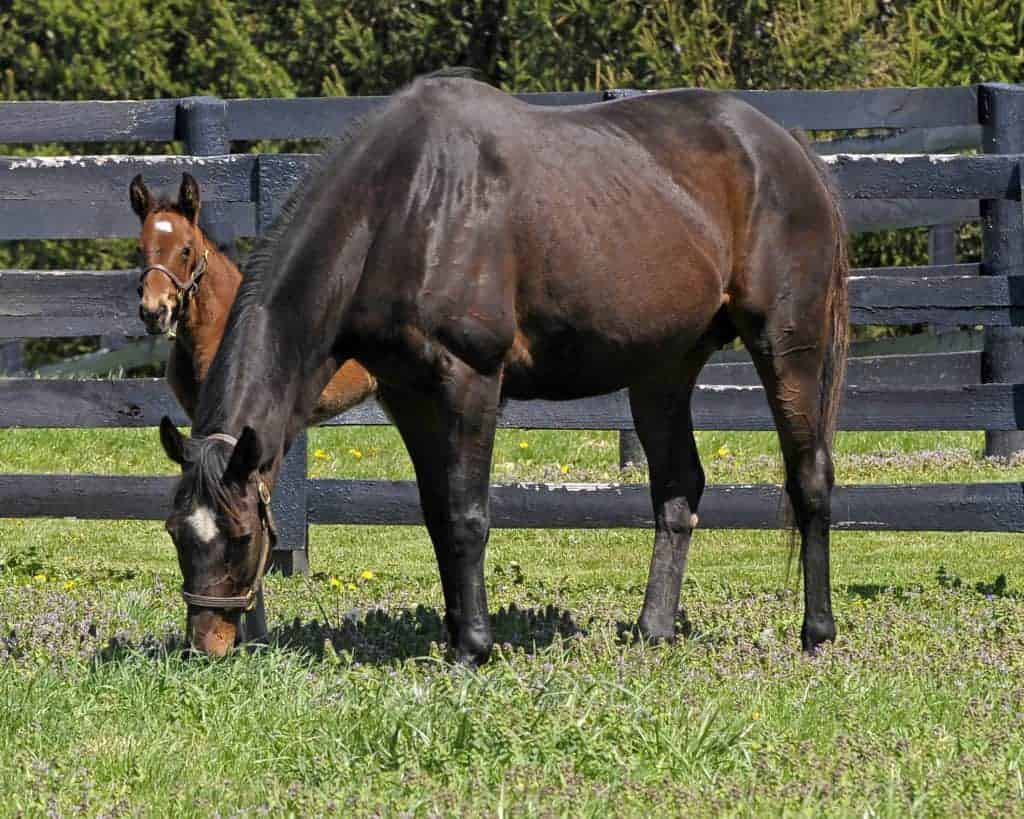
Peripartum colic is a common but sometimes life-threatening complication often seen in broodmares.
A 15-year-old Oldenburg mare from Sonoma County tested positive for neurologic EHV-1 on Aug. 23.
Tall fescue produces a toxic alkaloid that causes disorders in broodmares that consume the forage.

The neurologic form of EHV-1 is highly contagious in horses and multiplies within its host very rapidly.
Craig N. Carter, DVM, PhD, Dipl. ACVPM, received a prestigious award at the 2011 AVMA Convention.
Neurologist Amy Johnson, DVM, Dipl. ACVIM, was recently appointed to the faculty of New Bolton Center.
A stallion in Arizona has tested positive for contagious equine metrititis (CEM), a sexually transmitted …

The most common equine respiratory disease signs were nasal discharge, fever, depression, and coughing.
Erdal Erol, DVM, MS, PHD, gave a lecture titled “Current microbiological methods for equine abortion diagnoses

In the last two months of a high-risk pregnancy, this technique can help determine whether the unborn foal is healthy.
The International Collating Center, Newmarket, United Kingdom, and other sources reported the following
Utah State Veterinarian Bruce King, DVM, has officially released from restriction all previously quarantined
The Western College of Veterinary Medicine (WCVM) Large Animal Clinic has reopened its doors to all patients
Wyoming animal health officials have relaxed the stringent travel requirements implemented in that state in