NC State Lifts Self-Imposed Restrictions Connected to EHV-1
The admission and discharge restrictions were put in place after an EHV-1-positive mare was hospitalized.

The admission and discharge restrictions were put in place after an EHV-1-positive mare was hospitalized.
In 2011 more than 325 confirmed cases were submitted for evaluation–the largest number on record.
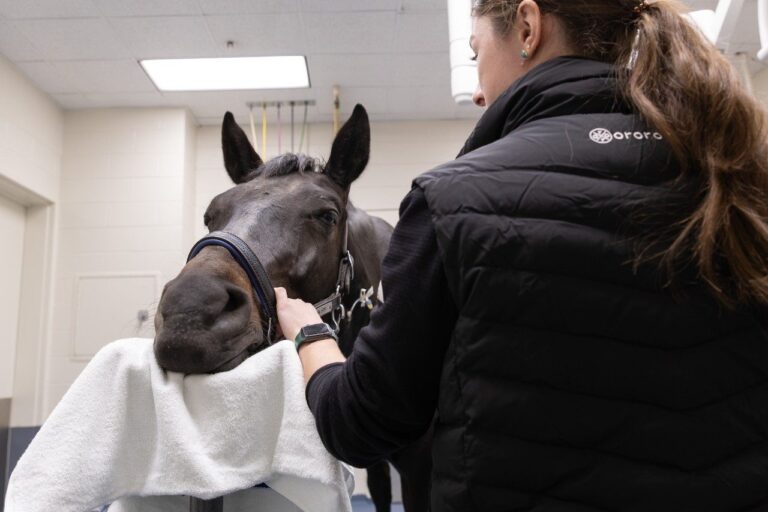
The mare was taken to the College of Veterinary Medicine at North Carolina State University upon becoming ill.
This must be broached delicately so it is reversible and doesn’t impart any detrimental effects on fertility.

Understanding genetic determinants for health conditions can help us identify and manage predisposed horses.
Could a guttural pouch infection be the reason for a broodmare to lose an embryo at two months?
Topics discussed included induction of ovulation, estrus behavior, and suppression in the performance horse.
TheHorse.com’s webinar on late-term mare and foal care is now available for viewing on demand.
The events will take place Jan 20-21, 2012 at the UK Veterinary Diagnostic Laboratory.
Featured topics included equine protozoal myeloencephalitis, wobbler syndrome, and neurologic herpesvirus.
As Kentucky progresses through a near-record rainfall year, the UKVDL has observed leptospirosis abortions.
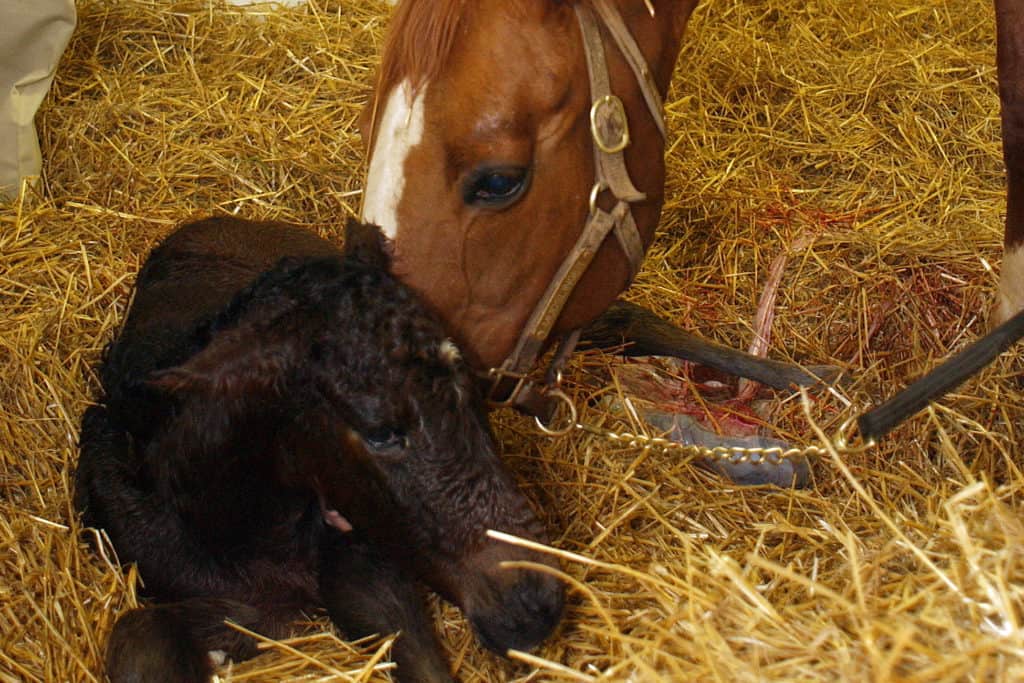
Breeders must work closely with their veterinarians, optimize mare care for her health and that of her foal, offer any help that’s needed during foaling, and provide the care the young foal needs for the best possible start in life.
Since June 2011, the program has provided notification of more than 500 equine disease reports to subscribers.
Topics covered in the webinar will include late-term mare care, foaling, and newborn/young foal care.
Learn about endometritis, what causes it, and what veterinarians can do to treat the condition.
Sydney Hughes research has been on athletic performance of Thoroughbred foals born to mares with placentitis