Eastern Tent Caterpillar Egg Hatch Under Way

Experts report that Eastern tent caterpillar eggs have begun hatching in Central Kentucky, just as leaf buds are swelling on wild cherry trees. While it is too early to tell what 2011 caterpillar numbers will be, populations have been increasing

Read More
horse vaccines

Vaccinating Broodmares

Broodmares require additional vaccinations to help ensure their foals are protected from disease. Learn about proper broodmare vaccinations with Dr. Dale Brown of the Rood & Riddle Equine Hospital.

Read More

Increase in Cases of Placentitis Reported in Kentucky

The University of Kentucky Maxwell H. Gluck Equine Research Center and Veterinary Diagnostic Laboratory is reporting an increase in the number of cases of fetuses and placentas submitted to the laboratory and diagnosed with nocardioform placentitis.

Read More

Feeding Foals and Young Horses

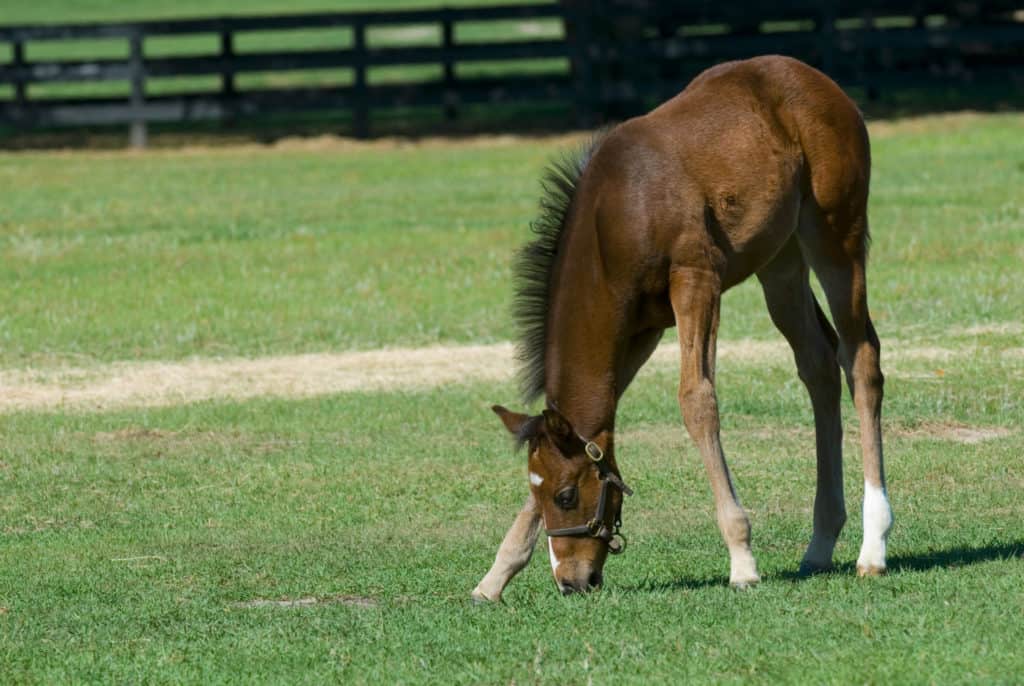
Proper nutrition, of course, is a critical factor in raising a healthy, sound foal–both for the broodmare before the foal is born as well as for the mare and foal throughout the foal’s development.

Read More

Monitoring Fetal Heart Rate in Horses

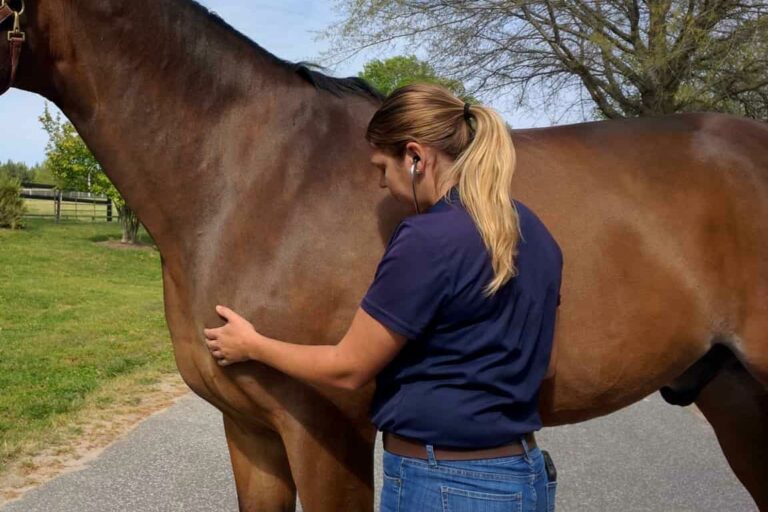
Is it possible to hear a fetal horse’s heart rate with a high-quality stethoscope? If so, at about what stage of gestation, and what is the optimal position of the drum?

Read More
Researchers Study Early Postpartum Breeding in Horses

10 Steps for Successful Live Cover

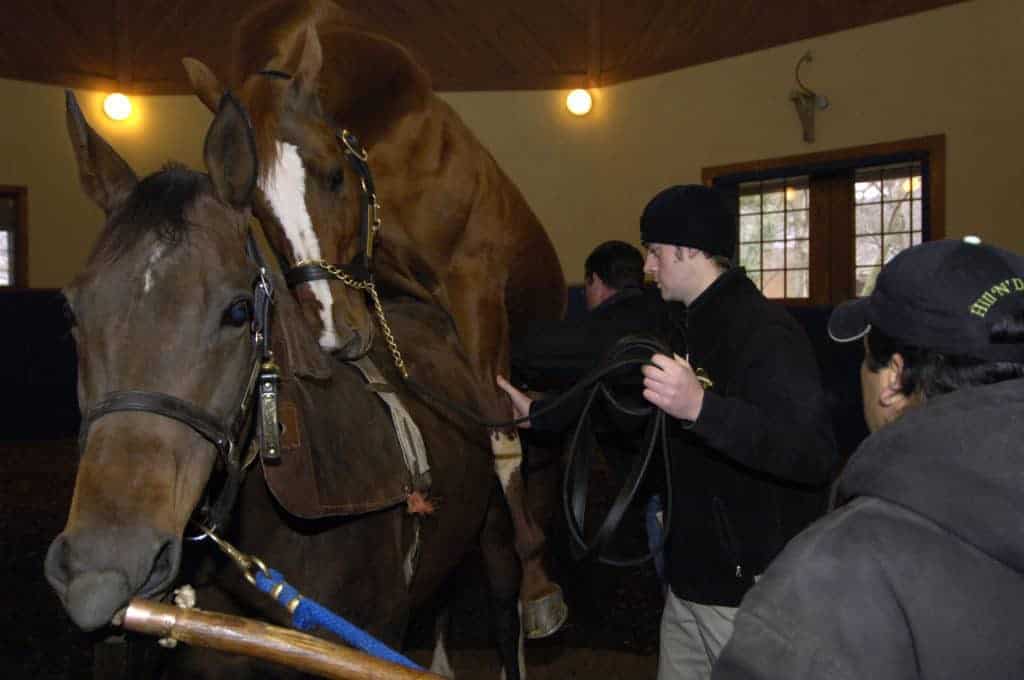
Live cover breeding of horses remains a popular choice. Whatever your reason for choosing this method, these 10 tips will be useful as you plan a mating. Attention to safety and behavior go a long way in making the experience positive and successful.

Read More

Pre-Foaling Management (Book Excerpt)

A mare should be brought inside at night beginning 30 to 45 days before her due date. This is done for two reasons. The first is so she can become comfortable with the surroundings and feel that the foaling stall is a safe, private place. Mares that are not at ease might delay foaling and prolong their labor until they feel more secure. Such a delay can lead to complications.

Read More

Diagnosing Disorders of Sexual Development in Horses: Male or Female?

Fertility issues in the horse can stem from multiple causes. One cause in mares is due to a disorder of sexual development (DSD) whereby the sex chromosome complement (genotype, or genetic code) is abnormal and does not agree with the external appearance of the horse (phenotype, or observable characteristics).

Read More

Visiting Scientists Target Endometritis

Mette Christoffersen, DVM, and Morten Petersen, PhD, DVM, Dipl. ACT, both from the University of Copenhagen, and Pauline Peugent, a French student working on her master’s degree, have spent several months in Lexington researching equine reproduction.

Read More

Foal ‘Stealing’

Our pregnant mare thinks another mare’s colt is hers. Is it common for pregnant mares to adopt others’ foals?

Read More

More From The Horse

horses-grazing-in-tall-grass
Teaching a Horse to Stand Still at the Mounting Block
Ausblick
Biosecurity at Equine Events

Stay on top of the most recent Horse Health news with

FREE weekly newsletters from TheHorse.com

Weekly Poll

sponsored by:

Create a free account with TheHorse.com!

The Horse
Privacy Overview

This website uses cookies so that we can provide you with the best user experience possible. Cookie information is stored in your browser and performs functions such as recognising you when you return to our website and helping our team to understand which sections of the website you find most interesting and useful.