Embryo Transfer in Horses: What You Need to Know
Have you considered using a surrogate to carry your performance mare’s foal? Learn about the process and what you can expect.

Have you considered using a surrogate to carry your performance mare’s foal? Learn about the process and what you can expect.

Learn about horse breeding and fertility March 7-12, 2022, on TheHorse.com.

Routine health monitoring and broader testing helped veterinarians identify an outbreak quickly.
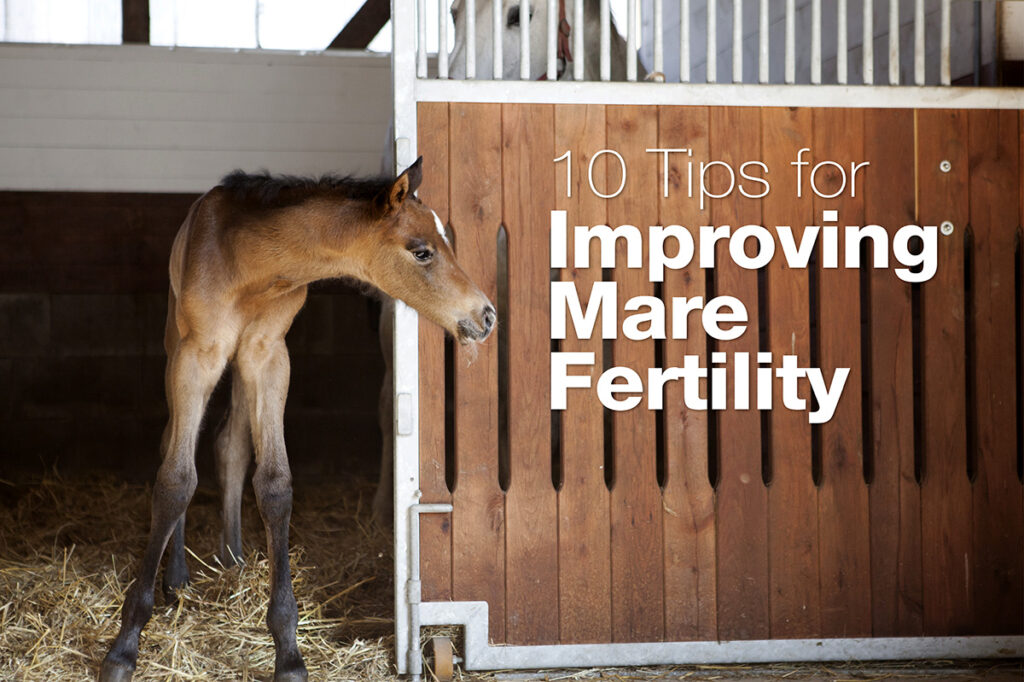
Use this visual guide to maximize your mares’ chances of conception and a healthy pregnancy.

Dr. Barry Ball describes what he learned as the University of Kentucky’s Clay Endowed Chair in Equine Reproduction and over his 35 cumulative years of research.

Fescue toxicosis can cause pregnancy losses and reduced reproductive efficiency in mares. Learn more in this visual guide.

Warm, wet winter weather could lead to higher ergovaline concentrations in pastures, putting broodmares at risk for fescue toxicosis.


Here’s a look at the ordinary, as well as not so ordinary, ovarian abnormalities you might encounter in your broodmares.
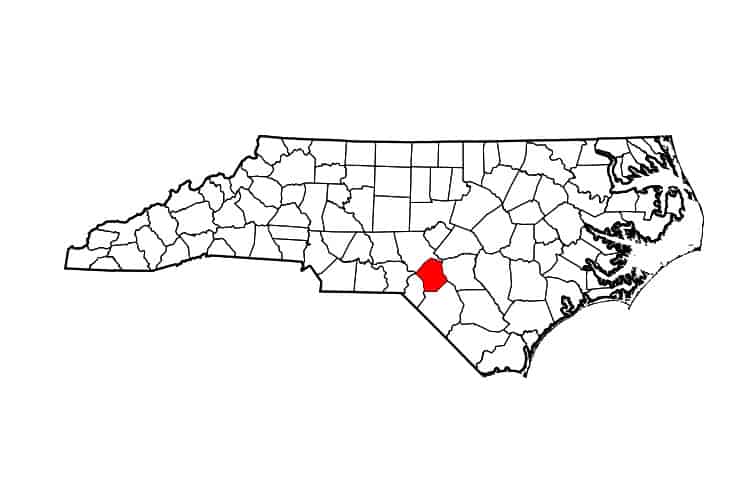
The affected horse was diagnosed after presenting with fever and signs of colic.

Study: A broodmare’s fertility appears to decrease slowly over the years, on a downhill slope that follows her number of breeding years, and not just her age.

The Horse: Your Guide to Equine Health Care and Butterfly Network have partnered to bring our audience educational content about equine pregnancy during the week of Dec. 13.

Both affected equids reside at an Oregon rescue facility where 29 more equids were exposed.

Two of the four affected horses have been euthanized.

The horse’s facility is under voluntary quarantine following the positive test.

Six outbreaks of CEM, an internationally reportable disease, have occurred in the United States in the past 15 years.