Riding and Exercising Broodmares
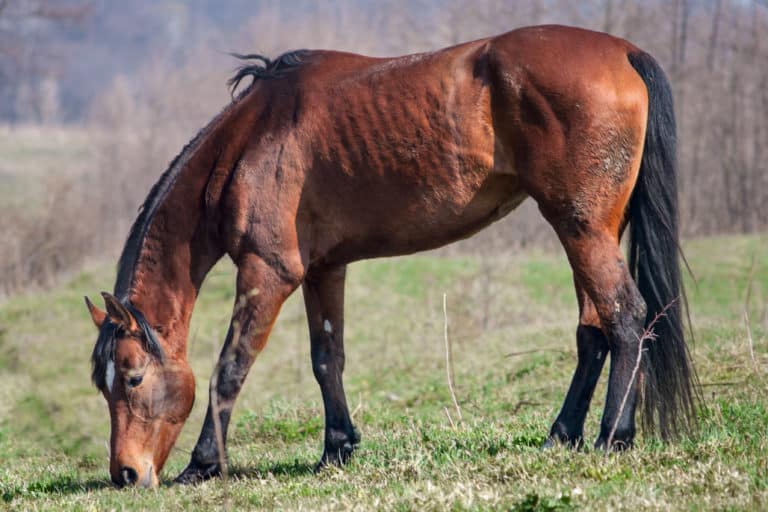
Is exercise, and sometimes even intense competition, safe for a pregnant mare and her unborn foal?

Is exercise, and sometimes even intense competition, safe for a pregnant mare and her unborn foal?
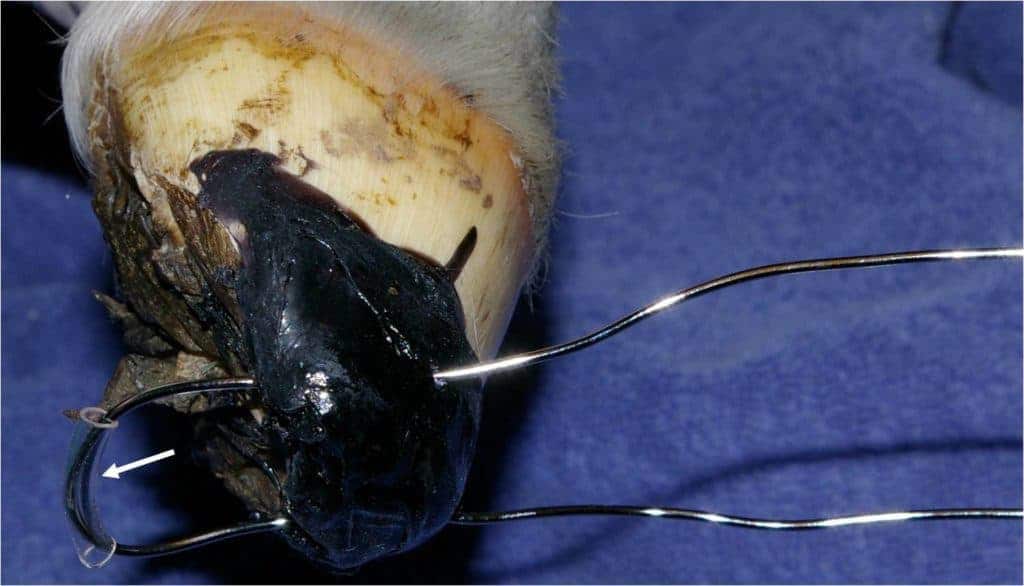
A novel treatment technique for correcting flexural deformities in foals showed promise in a recent study.

Fats increase energy density of diets and are necessary to metabolize fat-soluble vitamins.
Researchers have identified and are studying a gene mutation linked to altered gait in horses.
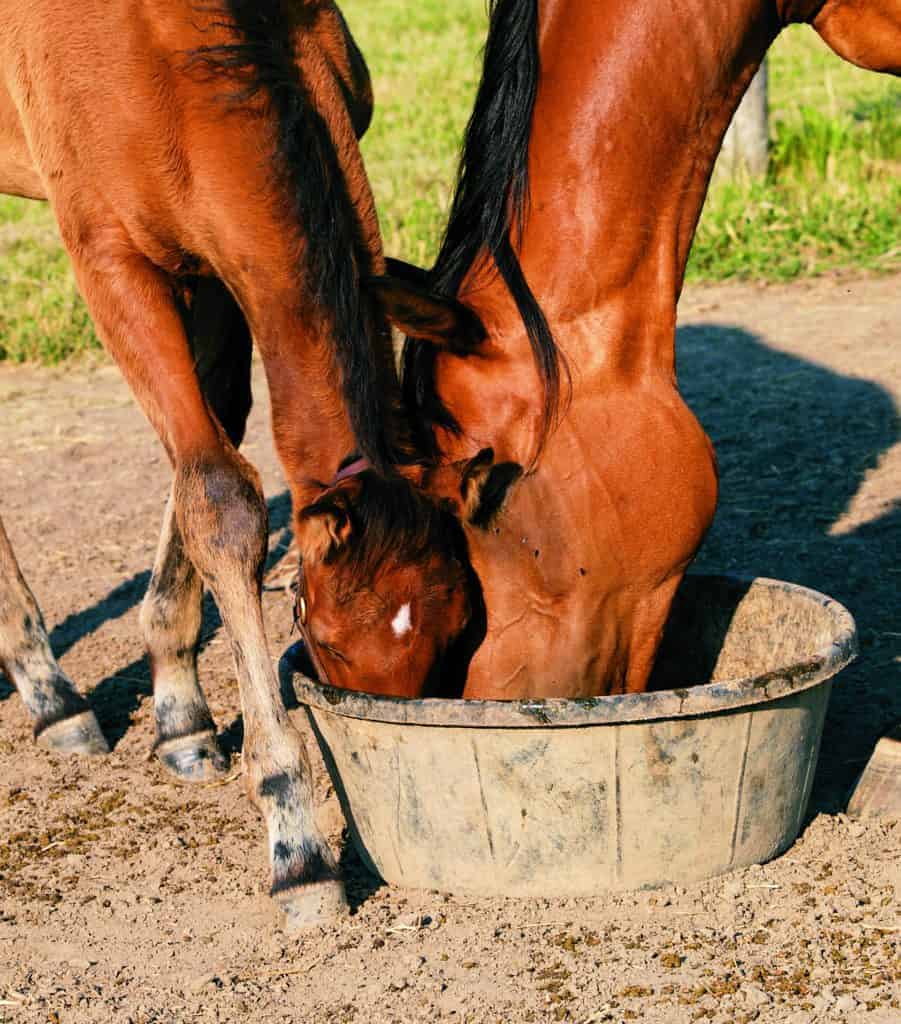
Understanding broodmares’ nutrient requirements can make developing a feeding program a less daunting task.

Whether traveling to an out-of-state show or a mile away to the park, good equine health care starts at home.
The University of Kentucky (UK) Department of Veterinary Science will host the Lawsonia intracellularis and equine proliferative enteropathy (EPE) symposium on Nov. 15 at the UK Veterinary Diagnostic Laboratory.
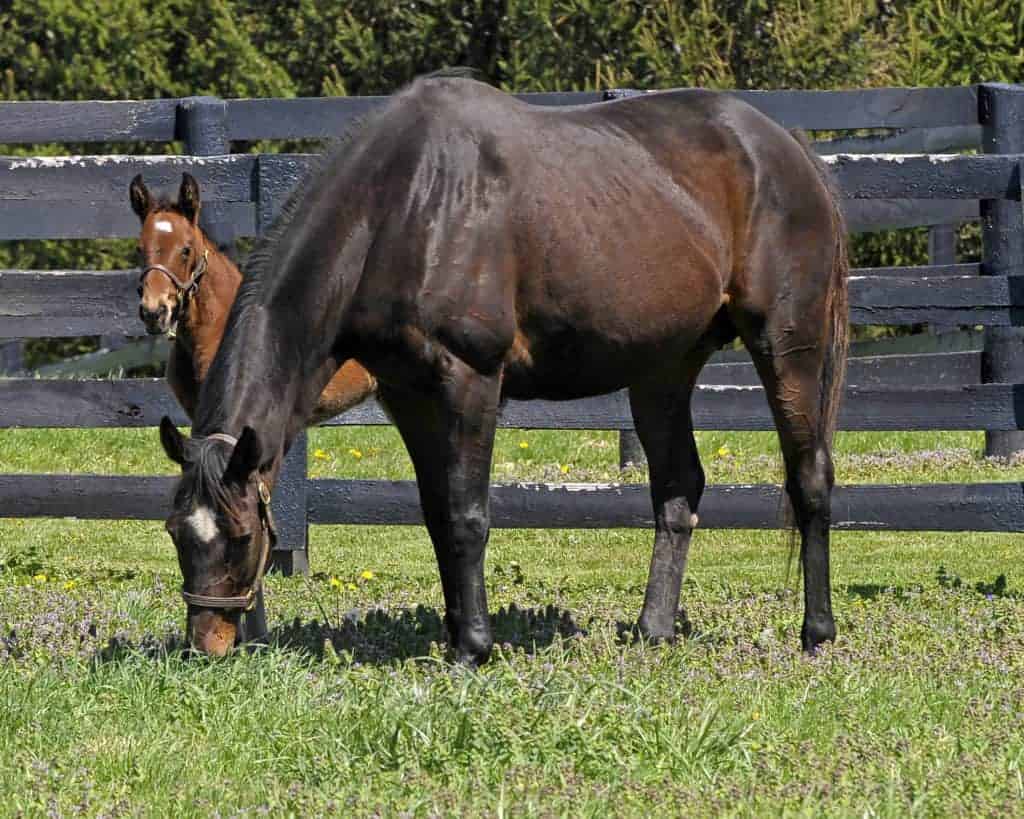
Foals of mares consuming organic selenium had higher blood selenium concentrations than other foals.
Veterinarians from Hagyard Equine Medical Center have confirmed leptospirosis in a Thoroughbred weanling.
Amanda Adams, PhD, gave an overview of weaning stressors and how to keep foals healthy during the transition.
Campos’ anticipated graduation is in fall 2012. She hopes to pursue a PhD thereafter.
Kathryn Smith developed and validated a new real-time polymerase chain reaction assay for equine herpesvirus.

Researchers recently identified links between equine neuroaxonal dystrophy (NAD), nutrition, and genetics.
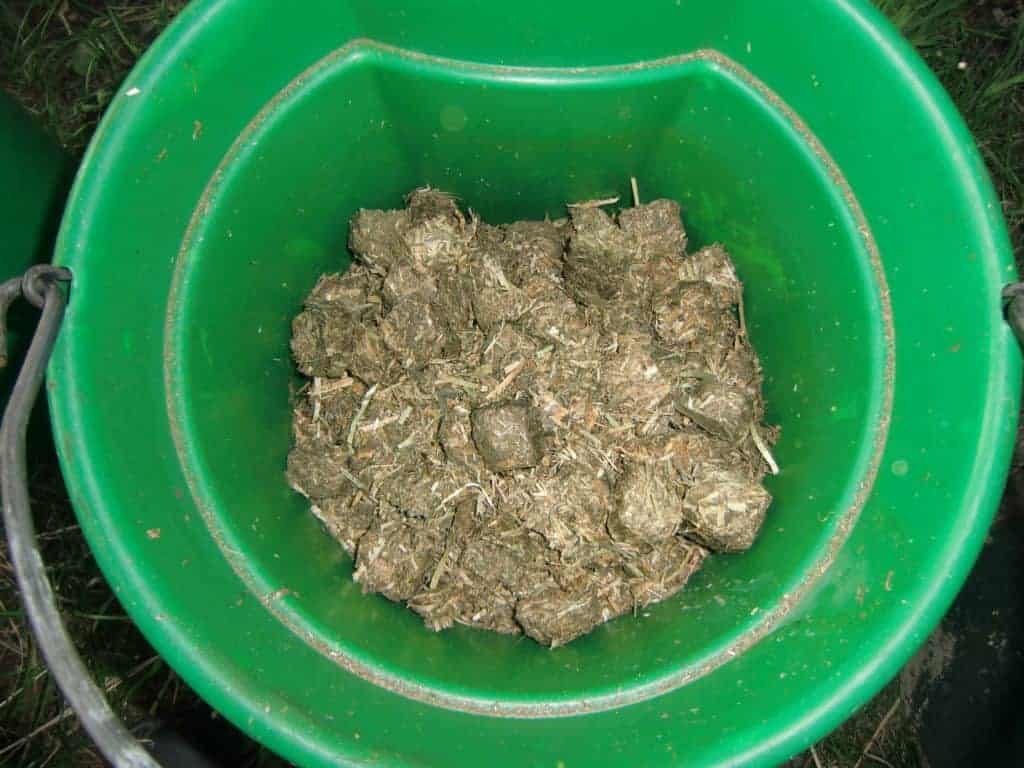
Forage-based total mixed rations (TMRs) can offer an economical and effective horse feed option.

A recent study suggests anti-inflammatory drugs could reduce the rate of EHV-1 infection in horses.
Scamper, the champion Quarter Horse barrel racing gelding who was cloned in 2006, died July 4 at 35-years-old.