Preparing Your Foal for His First Farrier Visit
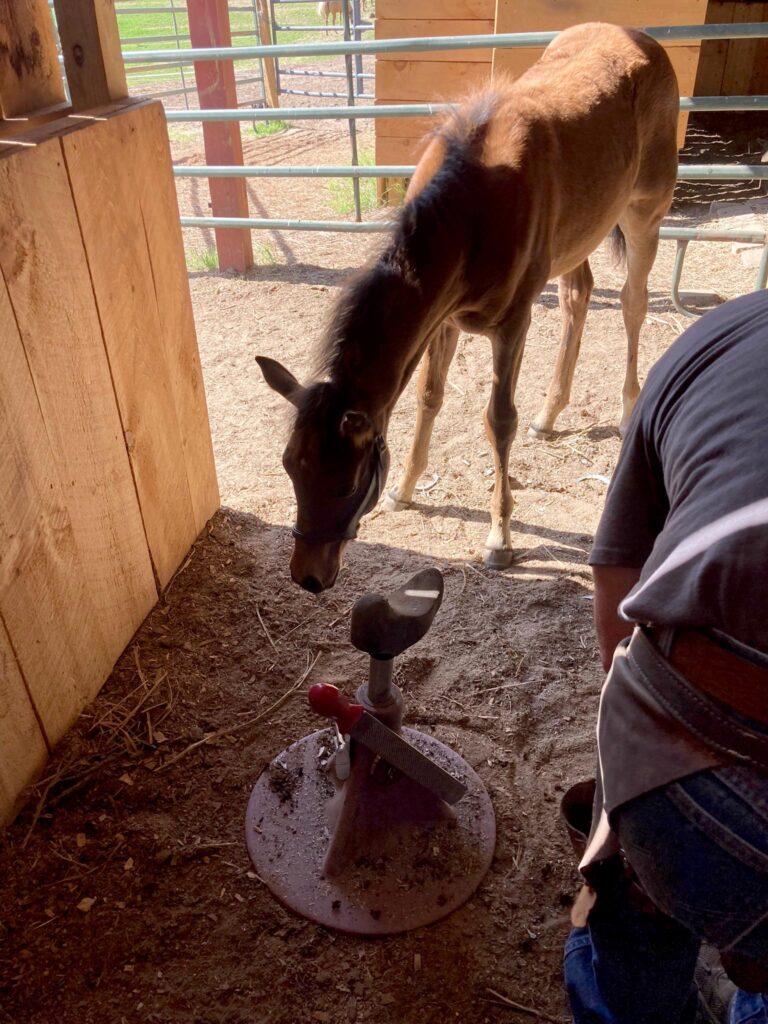
Start handling your foal’s feet early and schedule prompt farrier visits to support healthy limb development and instill good manners for lifelong hoof care.

Start handling your foal’s feet early and schedule prompt farrier visits to support healthy limb development and instill good manners for lifelong hoof care.
Changes in management and education can transform how horses experience short-term separation. Read more in the Summer 2026 issue of The Horse.

Nutritional evaluations can help you determine whether your horse is consuming a balanced diet.

A nutrition expert offers advice for ensuring free-fed horses don’t overeat hay.
Researchers are refining how veterinarians prevent and treat foal diarrhea while uncovering new insights into disease.

As foals grow, their nutritional needs change rapidly. Learn when to introduce creep feed and how to support your foal’s healthy development.

With the right plan, you can make weaning as stress-free as possible for your mare and her foal.
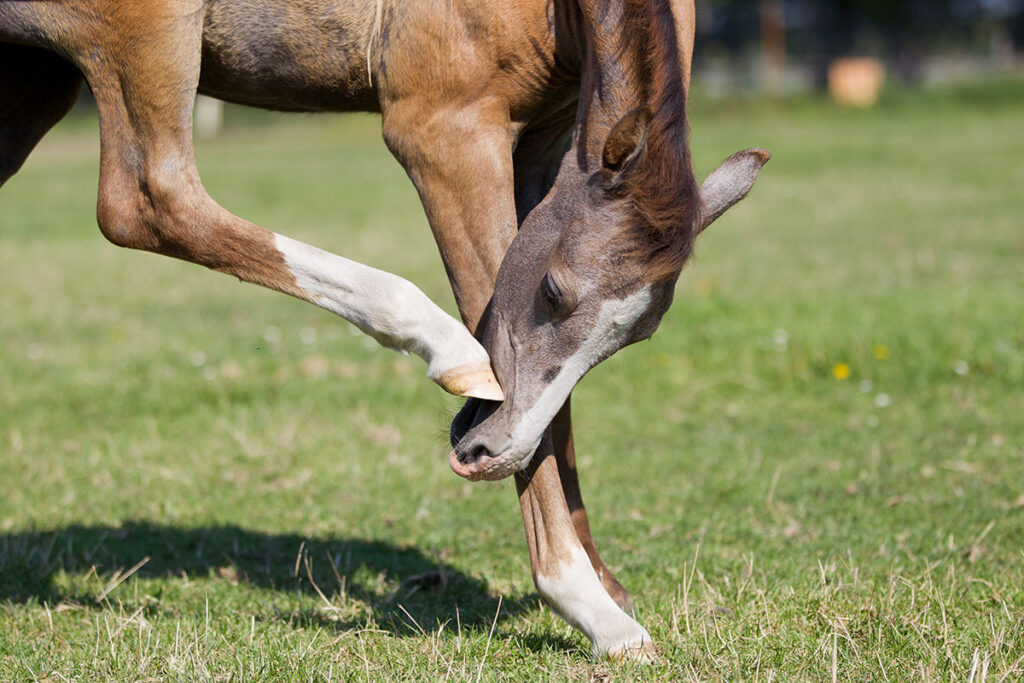
A youngster’s hoof care lays the foundation for his future. Here’s what you need to know about the first exam, mistakes to avoid, and common foal hoof and limb issues.

Have your veterinarian perform a fecal egg count reduction test to ensure your horse‘s deworming protocol is effective and to reduce the incidence of parasite resistance.
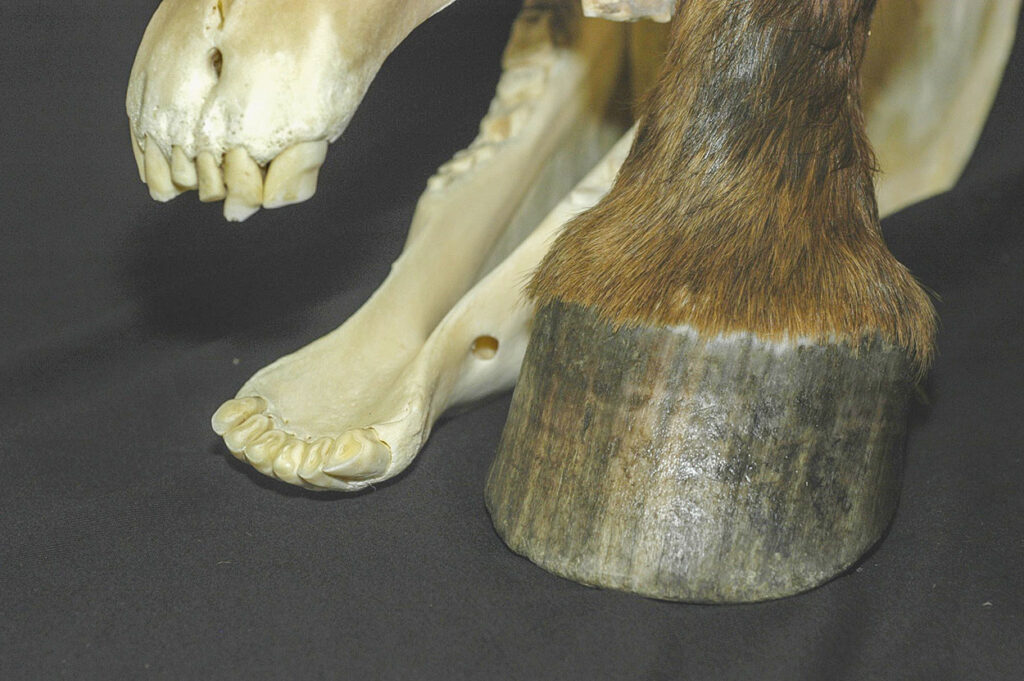
Healthy, well-maintained hooves can stay strong for decades—supporting horses from their first steps to their final years.

Watch for these 10 emergencies in the hours after a mare foals. Immediate action could potentially save the mare’s and/or foal’s life.

Dr. Nancy Diehl addresses a question about why a mare might respond differently to training after having her first foal.
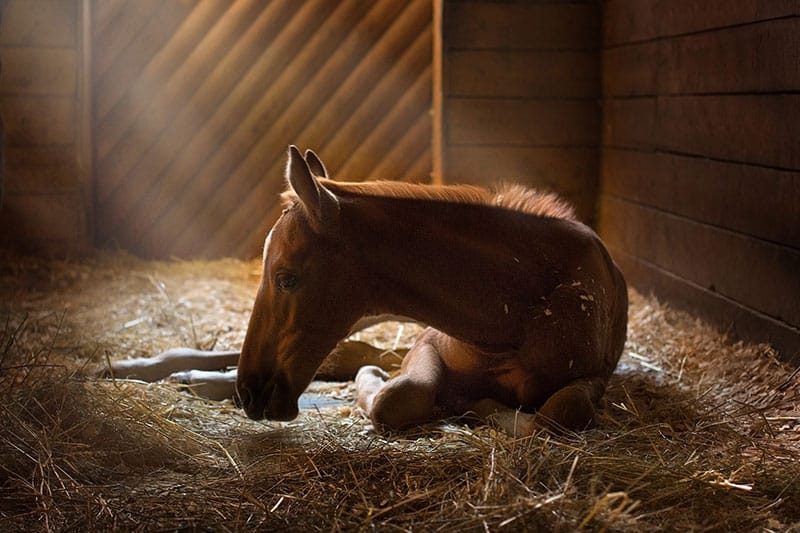
Selective treatment strategies can combat antimicrobial resistance while protecting foals from R. equi.

Understanding the equine gut microbiome can help you create and support healthy microbial populations in your horse’s digestive system.
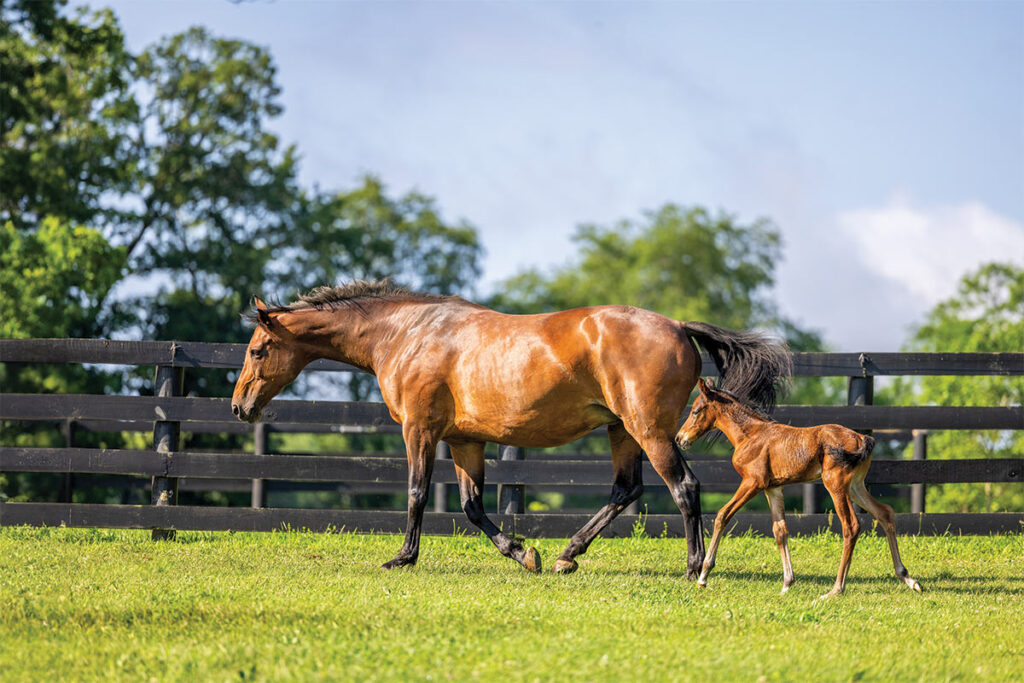
The first 24 hours of a foal’s life bring crucial events and milestones that dictate his health and viability. Learn what to expect, when to intervene, and how to involve your veterinarian in the Spring 2026 issue of The Horse.

Feeding weanlings through early training requires careful balance to support steady growth, proper mineral ratios, and sound development without overfeeding.