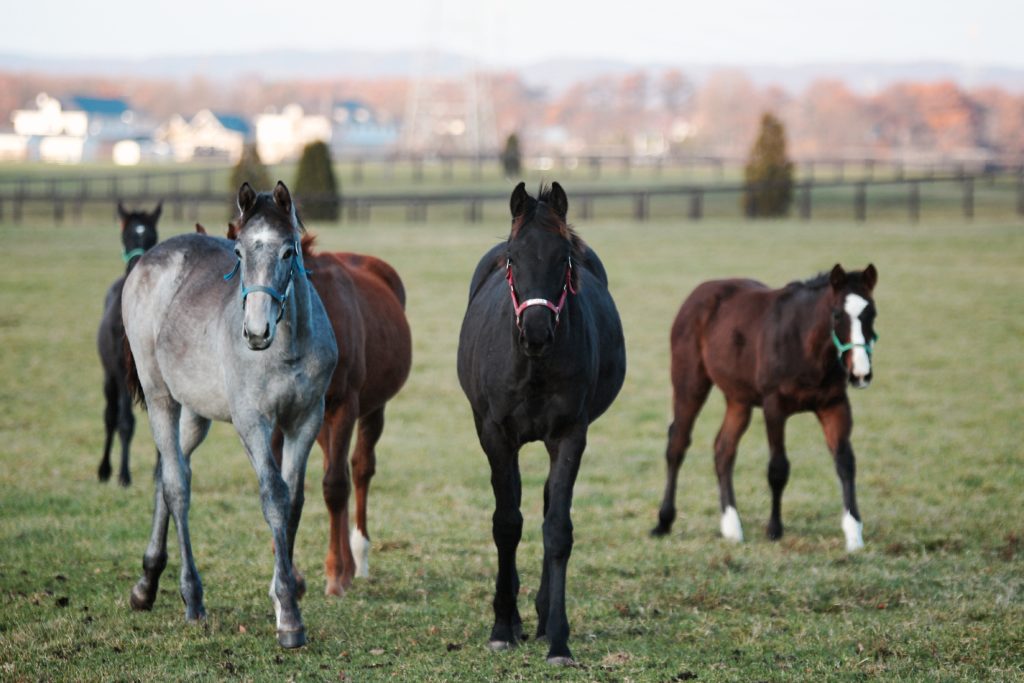
Weanling Horse Diets: More Grain or More Forage?
High-carb diets can put weanlings at risk for developmental orthopedic diseases. Could these horses get by on high-forage, low-concentrate diets?

High-carb diets can put weanlings at risk for developmental orthopedic diseases. Could these horses get by on high-forage, low-concentrate diets?

A mare at a private facility aborted a pregnancy in late March. Tests confirmed the abortion was caused by EHV-1 infection, There is no evidence to suggest this case is connected to case diagnosed in Ada County earlier this month.
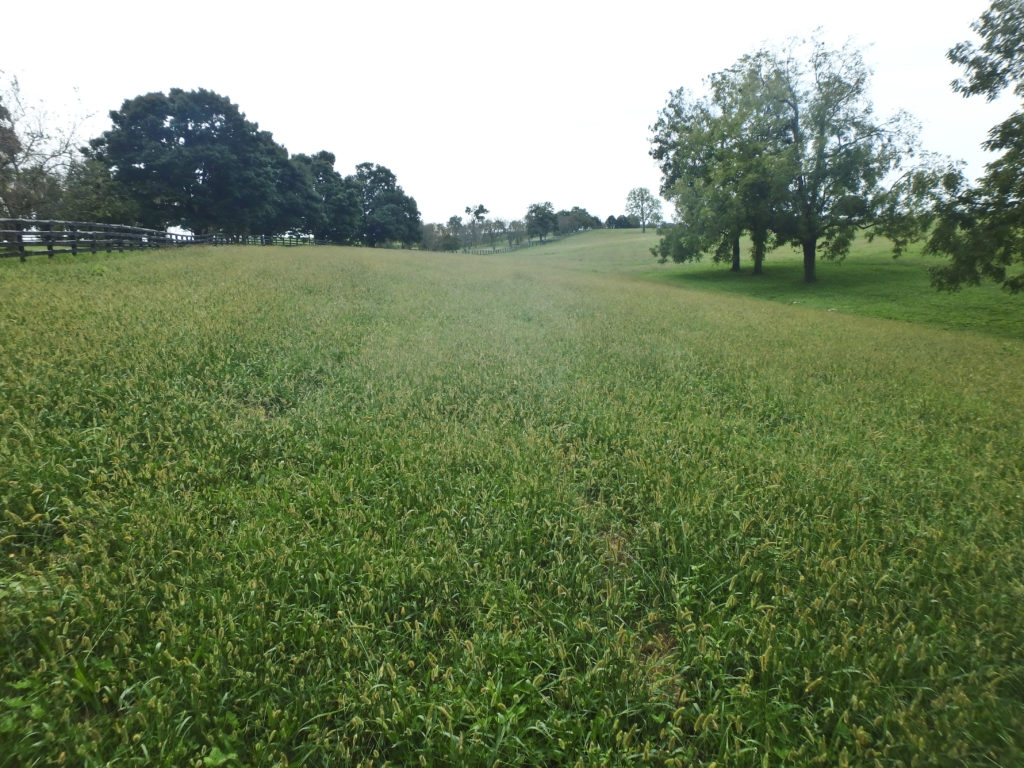
Broadleaf plants, such as dandelions and ragweed, aren’t the only weeds that can infiltrate pastures. Here’s how to control grassy weeds that can be prominent in summer pastures, including crabgrass, yellow foxtail, and nimblewill.

Orphan foals raised with a correct balance of nutrients and monitored for growth, food consumption, and weight gain can be every bit as tall, strong, and athletic as foals raised by their dams.

Pregnant mares consuming large numbers of Eastern tent caterpillars caused staggering early- and late-term foal losses and weak foals during the mare reproductive loss syndrome (often referred to as MRLS) outbreak of 1999-2001.

Disease caused by EHV-1 can be mild or more severe, including late-term abortion in pregnant mares.

The information on your youngster’s feed tag is designed to help you make important feeding decisions.

Rotavirus is a leading cause of diarrhea in foals up to six months of age at breeding farms worldwide.

Veterinarians share their recommendations for managing orphan foals, including diet challenges and behavior issues.

From infectious disease to microbial imbalance in the gut, causes of chronic diarrhea in horses run the gamut. And, veterinarians agree, finding a solution should be a methodical trial-and-error process.

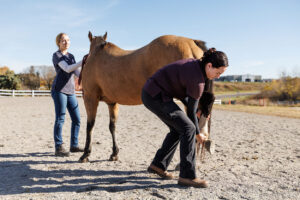
Recognizing and treating club feet in young horses can help them succeed in their intended discipline and, ultimately, prevent lifelong hoof complications.

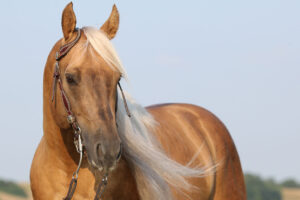
Is there any proof than chestnuts are more hot-blooded than horses of different colors? An equine behaviorist weighs in.

The transition from baby to permanent teeth often goes smoothly, but issues can arise along the way.

The transitional period between anestrus and estrus is officially complete once a mare has had her first heat of the year. Getting some mares to this point, however, and deciding when to breed them can be tricky.

Dr. Rob MacKay shared presented research on ice boots and cryotherapy for laminitic horses, R. equi and insect bit hypersensitivity vaccines, EPM, and more.

Dr. Regina Turner shares the results of studies on antimicrobial options for metritis, treating blocked oviducts, estrus lengths and pregnancy rates, colic surgery in broodmares, and more.