Equine Osteochondrosis Terminology Revamped
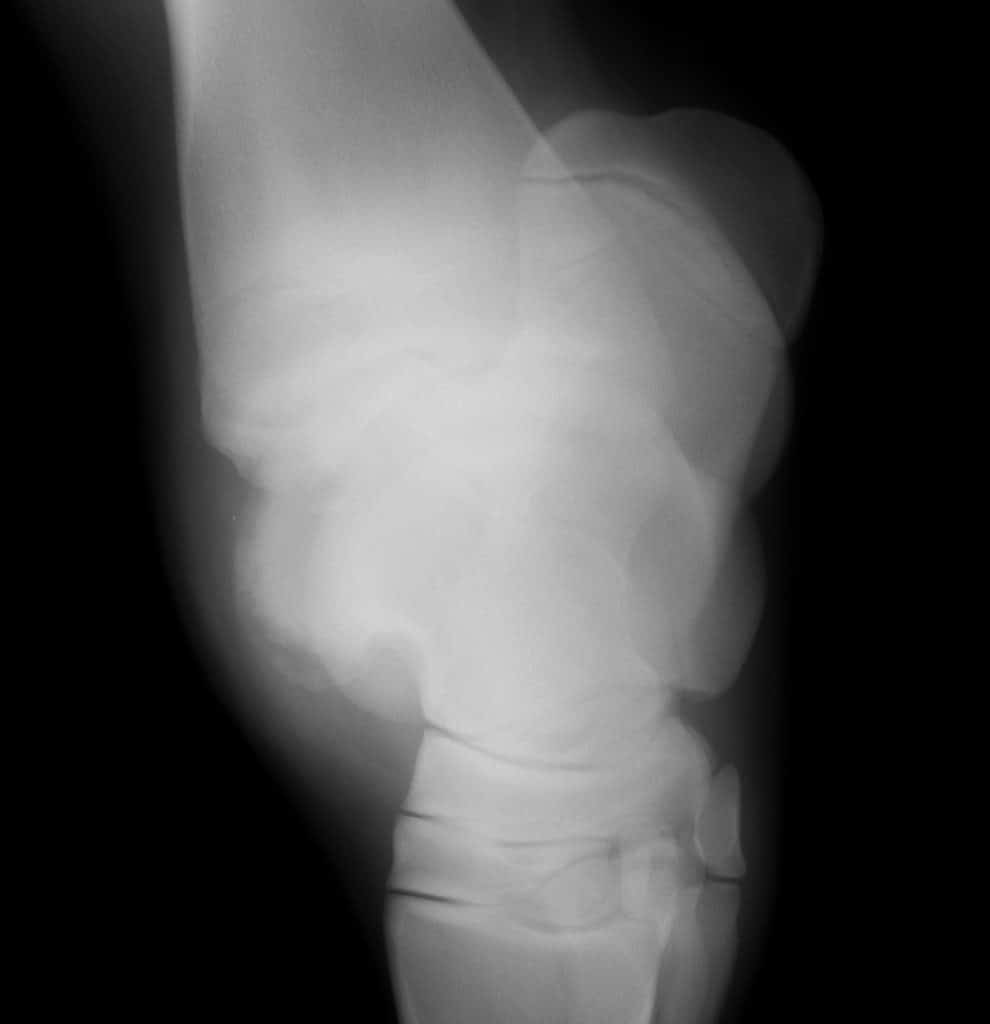
A better understanding of the lesions found in growing horse skeletons has led to clearer terminology.

A better understanding of the lesions found in growing horse skeletons has led to clearer terminology.

Previously veterinarians had not noted significant complications with this method of estrus suppression.

Researchers are working to better understand this potentially toxic substance that can lurk in feed.
French researchers tested the new grading scale on 392 young horses screened for osteochondrosis.

Learn how equine pain might influence reproduction ability, along with how to detect subtle signs of pain.
Is it possible for young horses that aren’t in training to get stomach ulcers?
The 2013’s annual Zweig Memorial Trot kicks off with a series of talks on equine health.

Reduced interferon-gamma production is associated with increased risk for intracellular bacterial infections.
The symposium is open to anyone interested in learning about these disorders.
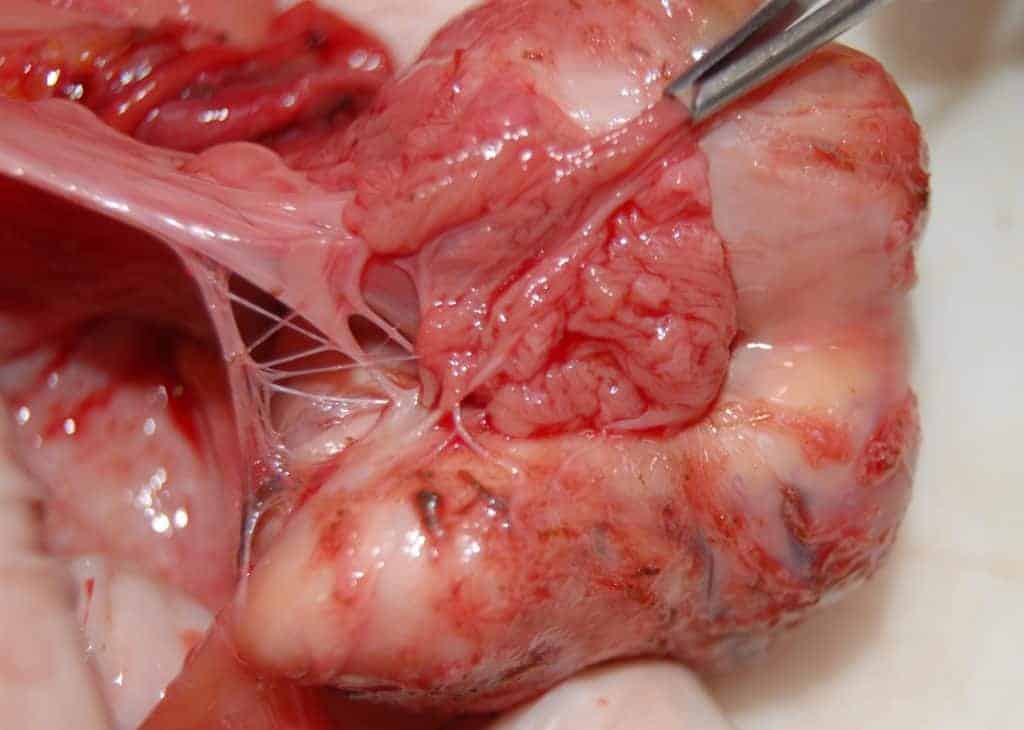
While oviduct-related fertility issues are rare in horses, breeders should be aware of what can go wrong.

More frequent forage feedings for group-housed horses could lead to a balance between feeding and resting.

Geldings can still develop problems in the reproductive tract, particularly in the accessory sex glands.

Learn how administering prostaglandins can help breeders improve their mares’ chances of becoming pregnant.

Placentitis is the most common cause of late-term abortion and remains challenging to diagnose and treat.
Judge Mary Lou Robinson said she will sign an order requiring the AQHA to register cloned animals.
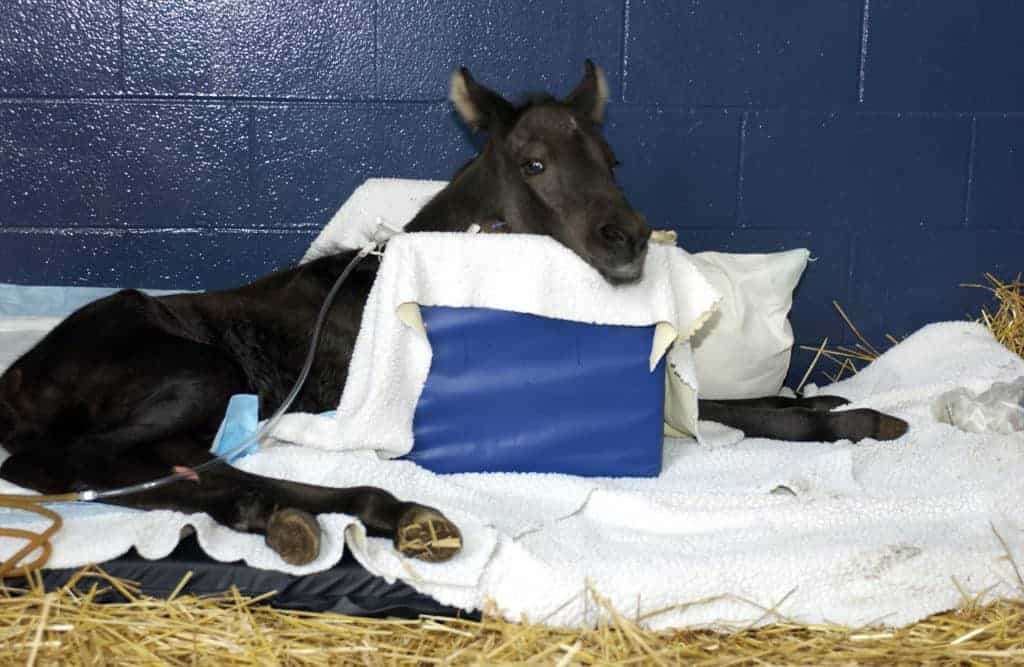
Dr. Chris Sanchez reviews recent top research papers published focusing on foal health.