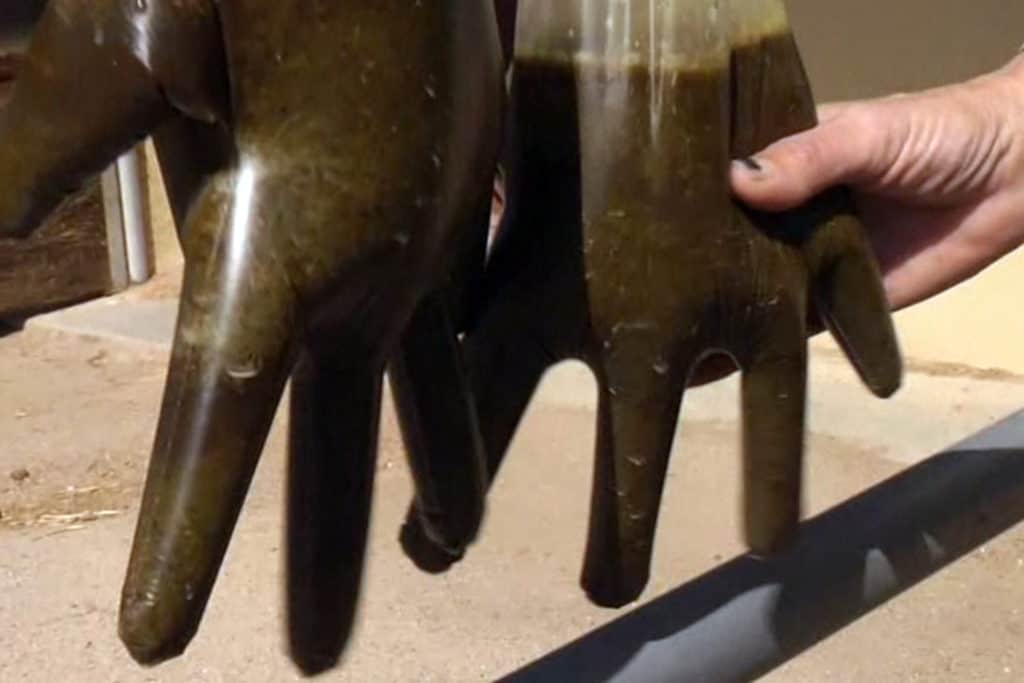
Tell If Your Horse Has Ingested Too Much Sand
Too much sand in your horse’s intestines can cause diarrhea, blockages and colic. Dr. Sharon Spier shows you a how to measure the amount of sand your horse is excreting. (2:18)

Too much sand in your horse’s intestines can cause diarrhea, blockages and colic. Dr. Sharon Spier shows you a how to measure the amount of sand your horse is excreting. (2:18)

Coronavirus–common in foals–could be associated with enteric disease outbreaks in adult horses.

Freezing or inhibiting fecal samples from diarrheic horses allows C. perfringens detection for weeks longer.
Researchers find large intestinal thickening could indicate multiple diseases in addition to colic.
The Microbiology Lab at Penn Vet is offering a panel of assays to streamline testing for foals with diarrhea.
Could a healthy horse in one’s own backyard be a disease risk for other horses?
One of the most dangerous organisms that can sicken horses is the bacterium Clostridium difficile.
Horse owners and vets must use antimicrobials responsibly to help reduce bacterial drug resstance.
Veterinarians commonly treat many equine infections with antimicrobial drugs to achieve resolution. However, in some cases, the antimicrobials themselves induce gastrointestinal disturbances with subsequent diarrhea. “This unfortunate side effect of

Multiple clues can help a practitioner determine the cause of infectious diarrhea or colitis in adult horses, including the farm’s history of previous outbreaks, geographic location, and season.
Clostridium difficile bacteria can cause severe, sometimes fatal colitis in horses. When a horse develops severe diarrhea (particularly if blood is present), C. difficile might be suspected, but veterinarians must confirm the infectio
What do nutritional supplements, infectious diseases, and snake bites have in common? All were considered “hot
A recent addition to a family of bacteria generally associated with human stomach problems could play a part in causing intestinal upset in foals, say Belgian researchers who have found that a disproportionate amount of foals have the bug in their
Toxins produced by the bacterium Clostridium difficile can cause diarrhea in adult horses and foals. The high economic impact associated with treatment costs, considerable animal losses to disease associated with mortality and
Newborn foals are especially susceptible to gastrointestinal diseases such as clostridial enterocolitis, which is characterized by abdominal pain, diarrhea, toxemia, shock, or death without prior signs. While this disease occurs only