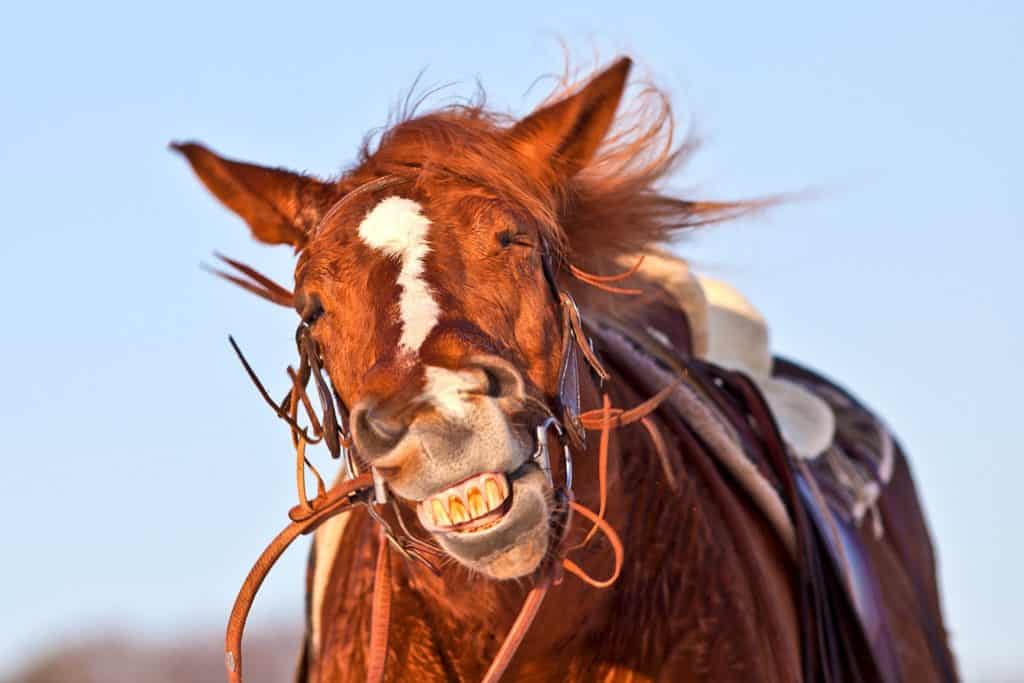
Idiopathic Trigeminal-Mediated Headshaking
Idiopathic trigeminal-mediated headshaking causes severe facial pain in horses. Learn the signs, triggers, diagnostic process, and management options.

Idiopathic trigeminal-mediated headshaking causes severe facial pain in horses. Learn the signs, triggers, diagnostic process, and management options.
One unusual case shows how headshaking can have an infectious origin. Read more in The Horse’s Summer 2026 issue.

Equine idiopathic headshaking is a painful condition, but with correct diagnosis and treatment many headshakers can live pain-free.

Often, a horse’s behavior problems are rooted in either pain or incomplete training. Here’s what to consider.

From infections and trauma to blockages and growths, here’s what your vet might find within your horse’s head region.
Some severe headshaking cases that are resistant to existing treatments and can significantly compromise a horse’s quality of life. But researchers have recently determined that a supplementation regimen could help.
There’s a nerve-tingling explanation behind many equine headshaking cases. Here’s what you need to know.

Find out how a veterinarian diagnosed a common cancer in horses in a Thoroughbred gelding with a recent history of headshaking and unprovoked panic.
Of the 356 respondents, 148 (42%) said they’ve owned or managed a headshaker.

Dr. Rob MacKay recaps studies on heparin for EHM prevention, liver failure caused by supplements, headshaking, and more.
Dr.Rob MacKay recaps studies on heparin for EHM prevention, liver failure caused by a supplement, gastric ulcers, and more.

From fly masks and nose nets to antihistamines and supplements, find out which headshaking treatments worked best.

A veterinarian and equine behavior expert addresses a possible learned head tossing behavior at feeding time.
Researchers found a feed supplement designed to combat headshaking provided little relief to affected horses.
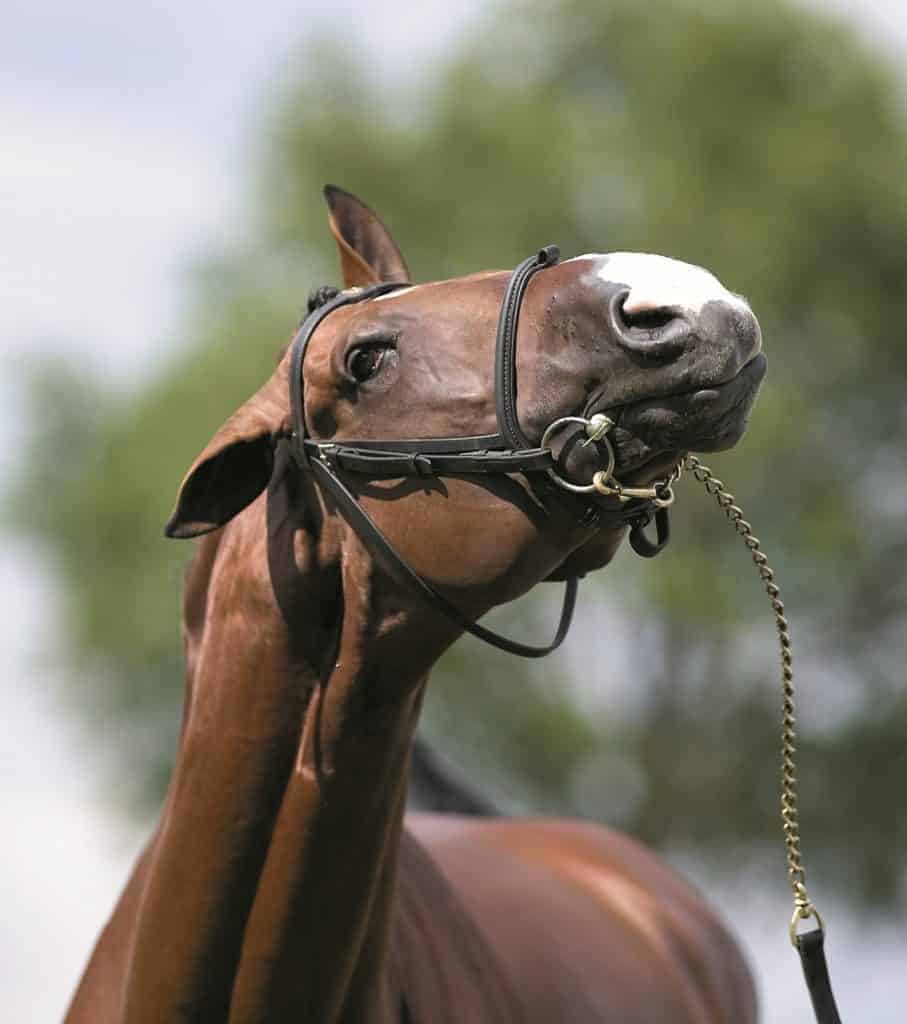
Researchers recently tested if idiopathic headshaking in horses could be similar to a condition in humans.
Recent work suggests surgery could be an option for headshakers, with a long-term success rate of nearly 50%.